
24/7 Customer Support

Free returns

Same-day & Next-day Delivery

Quality Guaranteed

Unlock Your Welcome Offers: FREE Delivery | Up to 80% OFF | Free 30-day JoyPlus trial
Download the APP
The humble crisp has undergone a remarkable transformation. Once a simple sidekick to a lunchtime sandwich, it now stands proudly in the spotlight as a sophisticated snack. The rise of gourmet crisps has filled our shelves with tempting bags promising unique flavours and premium ingredients. Yet, navigating this new world of artisan crisps can be tricky. For every genuinely superior snack, there's another that fails to deliver on its lofty promises.
As a Product Recommendation Officer, I see how easily shoppers can be swayed by clever marketing. Before you spend your money on another disappointing bag, let's look at the common pitfalls and what truly sets a premium snack apart.
To avoid these traps, focus on a few key indicators of genuine quality. These are the non-negotiable factors that separate truly gourmet crisps from the pretenders.
The foundation of any great crisp is the quality of its raw materials. Look beyond generic ingredient lists. A truly premium brand will often name the specific variety of potato used or the farm where it was grown. The same goes for key flavourings. Does it just say "cheese flavour," or does it specify a type, like Lye Cross Cheddar? Does it list "sea salt," or a salt with protected origin status, like Anglesey Sea Salt PDO? This level of detail signifies a commitment to quality and traceability that is often reflected in the final taste.
While potatoes are the classic choice, the world of premium snacks has expanded. You can now find excellent options made from corn, lentils or even seaweed. The cooking method is just as important. Traditional frying, kettle-cooking, baking or air-frying all produce different textures and fat contents. A brand that is transparent about its cooking process is usually more confident in its product. For instance, a baked seaweed crisp offers a completely different experience to a kettle-cooked potato crisp, catering to different preferences for texture and lightness.
A superior crisp achieves its flavour through high-quality, authentic ingredients, not a heavy-handed dose of artificial additives. Check the ingredients list for things like real meat extracts, actual cheese powder and natural spices. Yeast extract is often used to provide a savoury, umami depth, which is a good sign, but the overall profile should be balanced. This is especially important when looking for snacks for drinks, as an overly aggressive flavour can clash with your beverage.
To help you choose, we've matched some standout options to different snacking profiles.

Why This Fits Their Persona: This person appreciates a classic flavour executed to perfection. They value provenance and want a reliable, high-quality crisp for entertaining or as a personal treat. These are ideal as sophisticated sharing crisps.
It counters the "artisan illusion" by using a named, high-quality ingredient: Burrow Hill cider vinegar. This isn't just a marketing story; it's a verifiable component that adds a distinct, rich tanginess.
The cider vinegar is aged in oak barrels, delivering a complex flavour far beyond standard vinegar. They are also gluten-free and made with British potatoes.
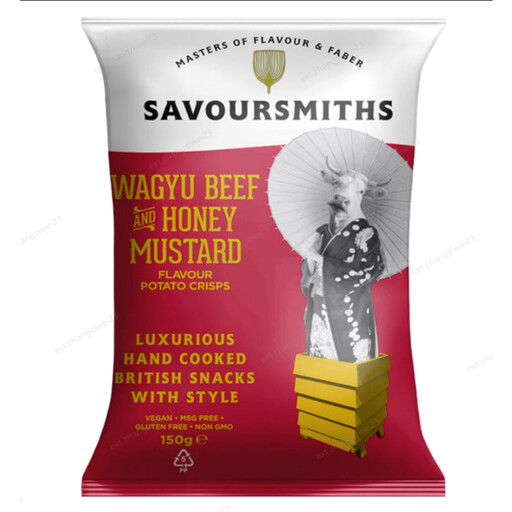
Why This Fits Their Persona: This snacker seeks bold, innovative flavours that align with a plant-based lifestyle. They want vegan snacks that are exciting and indulgent, proving that dietary choices don't mean compromising on taste.
It directly overcomes the "dietary disappointment" by creating a complex, savoury and rich flavour profile that mimics Wagyu beef and honey mustard, all within a 100% vegan and gluten-free recipe.
This crisp offers a truly unique flavour experience, combining savoury umami with sweet and piquant notes. It demonstrates that plant-based flavour technology can create sophisticated and satisfying results.

Why This Fits Their Persona: This individual wants a satisfyingly crunchy snack without the high fat and calorie content of traditional crisps. They prioritise clean, simple ingredients and a light, refreshing taste.
It avoids the "one-note wonder" trap by relying on the natural, complex umami flavour of roasted seaweed. The minimal seasoning of sea salt enhances rather than masks the core ingredient, providing a nuanced taste.
These crisps are baked, not fried, and contain only 26 calories per serving. The ingredient list is simple and recognisable: seaweed, olive oil and sea salt. They offer a uniquely light, melt-in-the-mouth texture.
We have compiled a complete, real-time list of products that fully satisfy these strict selection criteria and UK safety regulations.
While there's no official definition, these terms generally refer to crisps that prioritise quality over quantity. Key characteristics include the use of high-quality, often locally sourced ingredients (like specific potato varieties or regional cheeses), more thoughtful cooking methods (like small-batch kettle cooking), complex and natural flavour profiles and a transparent supply chain. It's less about a label and more about a demonstrable commitment to better ingredients and taste.
Not necessarily, but they can be. It depends on the specific product. Some premium snacks UK are baked instead of fried, use higher quality oils like sunflower oil and avoid artificial additives. Options like seaweed or corn-based snacks can be naturally lower in fat. However, it's always wise to check the nutritional information for calorie, fat and salt content, as "gourmet" does not automatically mean "low-calorie."
For versatile pairing, you can't go wrong with a well-made sea salt or a balanced cider vinegar crisp. Their clean saltiness and acidity complement a wide range of beers, ciders and wines. For more specific pairings, consider matching bold flavours. A rich, meaty crisp like a chorizo or beef flavour can stand up to a robust red wine or a dark ale, while a delicate truffle and rosemary crisp might pair beautifully with a sparkling wine.