
24/7 Customer Support

Free returns

Same-day & Next-day Delivery

Quality Guaranteed

Unlock Your Welcome Offers: FREE Delivery | Up to 80% OFF | Free 30-day JoyPlus trial
Download the APP
As a dog owner in the UK, you want to provide the very best for your companion. The term "grain free dog food" is everywhere, often presented as the ultimate choice for a healthy diet. While it can be an excellent option for many dogs, navigating the market is not always straightforward. Misleading labels and marketing hype can lead you to purchase a product that isn't quite what it seems.
My role as the Joybuy Product Recommendation Officer is to help you see past the clutter. Let's look at the common pitfalls when shopping for grain-free food and what to look for to make a confident choice for your dog's well-being.
Many well-intentioned owners are caught out by a few common issues. Being aware of them is the first step to avoiding a poor purchase.
natural dog food will clearly state the type of meat and its percentage, such as "Freshly Prepared Chicken (60%)" or "Dried Salmon (24%)".To ensure you're getting a high-quality product, focus on these key details on the packaging.
Ingredients are listed in order of weight, so the first few items make up the bulk of the food. For a high protein dog food, you should see a named meat or fish source listed first.
Both wet grain free dog food and dry grain free dog food have their place. The right choice depends on your dog's needs and your lifestyle.
If you're seeking a dog food for sensitive stomachs, the "grain-free" label is just the start. A truly hypoallergenic dog food will also typically be free from other common allergens like soya, dairy and sometimes beef or chicken. Look for beneficial additives that support digestion, such as:
Based on these principles of clear labelling and balanced nutrition, here are a few options tailored to specific needs.
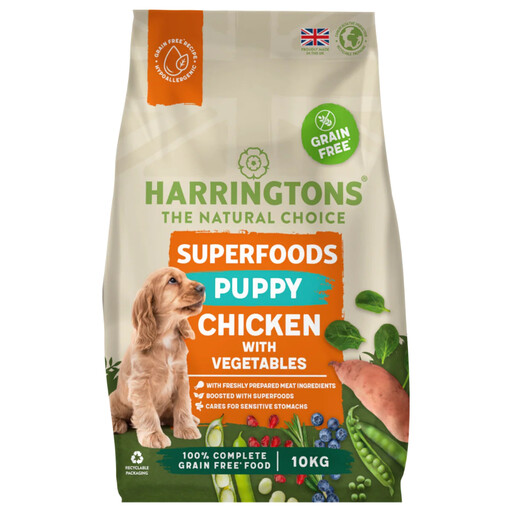
Why This Fits Their Persona: This dry kibble is specifically designed for growing puppies. The high protein content (30%) supports muscle development, and the smaller kibble size is perfect for smaller mouths, making it an ideal `grain free puppy food`.
It avoids the "mystery meat" trap by clearly listing 35% Chicken as its primary protein source. Grains are replaced with nutrient-dense sweet potato and peas, not empty starches.
Includes a blend of superfoods like rosemary and spinach, plus added taurine for heart health, providing a more comprehensive nutritional profile than basic puppy foods.
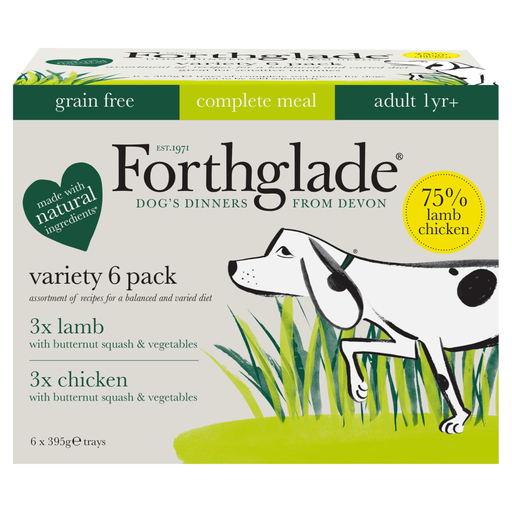
Why This Fits Their Persona: This is an excellent choice for dogs with delicate digestion. The gently steamed, soft p?té recipe is easy to eat and digest, and the simple, natural ingredients make it a prime example of a `dog food for sensitive stomachs`.
The formula is exceptionally transparent, boasting 75% named meat (Lamb or Chicken). It avoids both grains and unnecessary fillers, focusing on a short list of wholesome ingredients like butternut squash and peas.
It's enhanced with glucosamine and chondroitin for joint support, plus botanicals and chicory root extract to aid digestion, addressing more than just basic dietary needs.
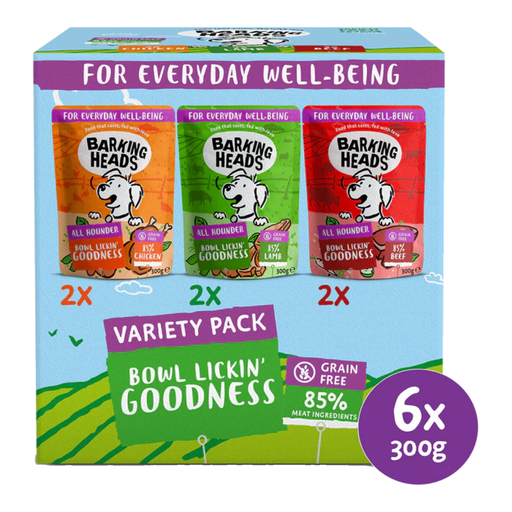
Why This Fits Their Persona: With 85% meat content, this food provides the high-quality protein and energy required for active dogs. The variety pack, featuring chicken, lamb and beef, is also great for keeping dogs with discerning palates interested in their meals.
This formula is a prime example of transparent labelling. It clearly states "85% Chicken (60% Fresh Deboned Chicken, 25% Chicken Broth)", completely avoiding the "mystery meat" pitfall and assuring you of its quality.
The slow-cooking process helps to lock in flavour and nutrients, making it highly palatable without artificial enhancers. It's a complete meal made with natural ingredients.
Many dogs with sensitivities also react to chicken. If you're looking for alternatives, we have compiled a complete list of products that meet these strict selection criteria and are also free from chicken.
When introducing any new food, it's important to do so gradually to avoid digestive upset. A transition period of 7-10 days is recommended. Start by mixing 25% of the new food with 75% of the old food, and slowly increase the proportion of the new food every couple of days until you have fully switched over.
Not necessarily. A grain-free diet is most beneficial for dogs with a diagnosed grain allergy or a clear sensitivity. Many dogs thrive on high-quality diets that include wholesome grains like brown rice or oats. The most important factor is the overall quality of the ingredients. If you suspect a food allergy, it is always a good idea to consult your vet.
The primary difference is moisture content. Wet food is typically around 70-80% moisture, which is great for hydration and can be more appealing to picky eaters. Dry food, or kibble, has a low moisture content (around 10%), making it more convenient to store and often more economical. Its abrasive texture can also provide a modest benefit for dental hygiene. Many owners choose to mix both for a balanced and appealing meal.