
24/7 Customer Support

Free returns

Same-day & Next-day Delivery

Quality Guaranteed

Unlock Your Welcome Offers: FREE Delivery | Up to 80% OFF | Free 30-day JoyPlus trial
Download the APP
Choosing the right treats for your dog can feel overwhelming. With so many options on the shelves, it’s difficult to know which ones are genuinely beneficial, especially if your dog has specific dietary needs. Many UK dog owners are now looking for grain-free dog treats, seeking simpler, more natural options for their companions.
This guide is designed to help you understand what to look for in a quality grain-free treat. As the Joybuy Product Recommendation Officer, my role is to provide clear, practical advice to help you make an informed choice for your pet, cutting through the marketing clutter. We will explore key features to consider and highlight a few standout options available today.
Before we look at specific products, here are a few key points to consider during your search.
The foundation of any good treat is its ingredients. Look for a short, understandable list. High-quality natural dog treats will typically feature a named meat source (like chicken, duck or beef) as the first ingredient.
For dogs with potential food intolerances, single ingredient dog treats are an excellent choice. They remove the guesswork and make it easier to avoid specific triggers. This is particularly useful when looking for dog treats for sensitive stomachs, as a simple formula is often more digestible.
The ideal treat depends on how you plan to use it.
Many owners seek out hypoallergenic dog treats to manage allergies. While no treat can be guaranteed to be 100% hypoallergenic for every dog, those with limited ingredients and novel proteins (like duck or venison) are often a good starting point. Always avoid treats containing artificial colours, flavours or unnecessary fillers, as these can sometimes cause digestive upset.
Based on ingredient quality, texture and suitability for different needs, here are our recommendations.
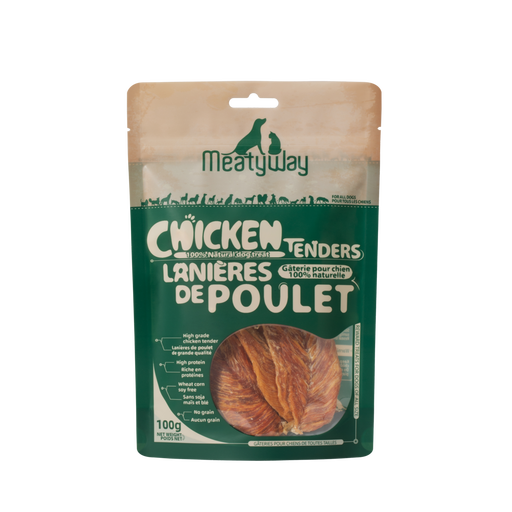
Why It Stands Out: These tenders are the definition of simplicity. Made with 100% real chicken and nothing else, they offer a pure, high-protein snack. Their soft jerky texture is easy for dogs of all sizes to manage, and the single-ingredient formula makes them a straightforward choice for owners monitoring their dog's diet closely.
Pros:
Who is it for? Ideal for owners seeking a pure, high-protein snack, particularly for dogs with sensitive digestion or those on a limited-ingredient diet.
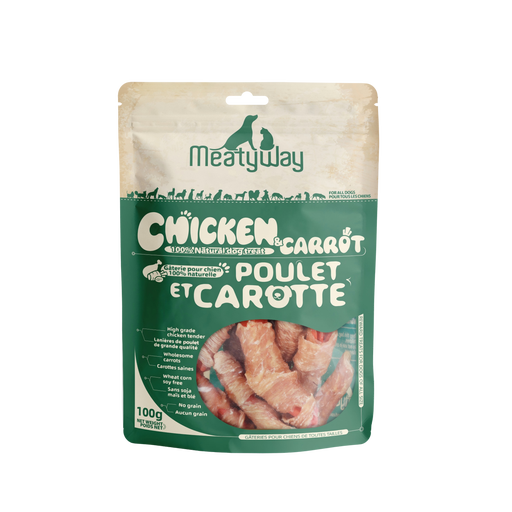
Why It Stands Out: This treat combines the savoury flavour of real chicken with the nutritional benefits of carrot. It’s a great way to introduce a vegetable into your dog's snack time. The grain-free recipe remains simple and clean, with no artificial additives, making it a wholesome choice.
Pros:
Who is it for? A great option for owners who want to provide a treat with added vegetable goodness, without compromising on a simple, grain-free formula.
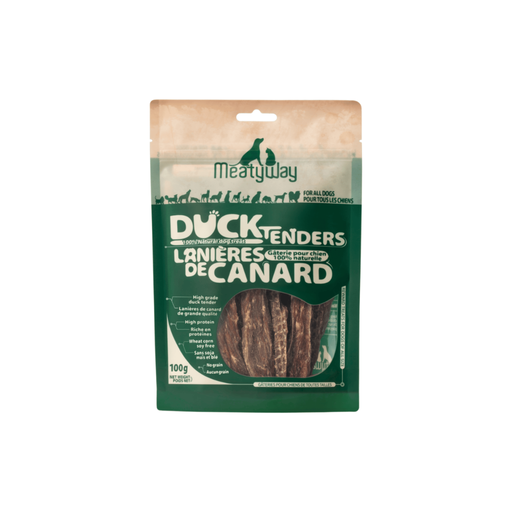
Why It Stands Out: For dogs with sensitivities to more common proteins like chicken, duck is an excellent alternative. These tenders are made with 100% real duck, offering a novel protein source that is often well-tolerated. The soft, easy-to-chew jerky is perfect for rewarding, training or simply as a delicious snack.
Pros:
Who is it for? An excellent choice for dogs with known sensitivities to chicken or beef, or for owners who wish to introduce protein variety into their dog's diet.
Whether you're out on a walk or in the middle of a training session, having treats readily available is essential. A dedicated pouch keeps them fresh and prevents your pockets from getting crumbly and greasy.
To keep your puppy training treats fresh and accessible, explore our selection of pet treat bags.
1. Are grain-free treats better for all dogs? Not necessarily. Grain-free diets are most beneficial for dogs with a diagnosed grain allergy or a specific sensitivity. For most healthy dogs, the overall quality of the ingredients is more important than the absence of grains. The key is to choose treats made with whole, recognisable ingredients and minimal processing.
2. Can I use these treats for puppy training? Yes, particularly the softer options. Treats like the MeatyWay Tenders are ideal as soft dog treats for training because they are highly palatable and can be easily broken into smaller pieces. This allows for frequent rewards during training sessions without contributing excessive calories to your puppy's diet.
3. How do I know if my dog has a sensitive stomach? Common signs can include intermittent loose stools, excessive gas or occasional vomiting after eating. If you suspect a food sensitivity, opting for single ingredient dog treats can help you isolate potential problem ingredients. However, for any persistent digestive issues, it is always best to consult your veterinarian for a proper diagnosis and guidance.