
24/7 Customer Support

Free returns

Same-day & Next-day Delivery

Quality Guaranteed

Unlock Your Welcome Offers: FREE Delivery | Up to 80% OFF | Free 30-day JoyPlus trial
Download the APP
As a pet owner in the UK, you want to provide the very best for your furry family member. The shift towards grain-free pet food has been significant, driven by a desire for more natural and digestible nutrition. However, the market is crowded with options and it's easy to fall into common purchasing traps. This guide, from my perspective as a Joybuy Product Recommendation Officer, is designed to help you cut through the clutter and make an informed choice for your dog or cat.
Navigating the pet food aisle can be confusing. Many products make bold claims, but not all deliver on their promises. Here are two common pitfalls to watch out for:
To ensure you're buying a quality product, focus on these key parameters rather than just the front-of-pack claims.
The cornerstone of your pet's diet is protein. When analysing a label, look for clearly named protein sources.
A transparent ingredient list is a sign of a manufacturer's confidence in their product. This is particularly important for UK made pet food, where local sourcing can often be a mark of quality.
The reason for choosing grain-free is often to manage sensitivities. Therefore, what replaces the grain is just as important.
The choice between wet and dry food depends on your pet's health, preferences and your lifestyle.
Based on these practical criteria, here are a few options tailored to different needs and priorities.
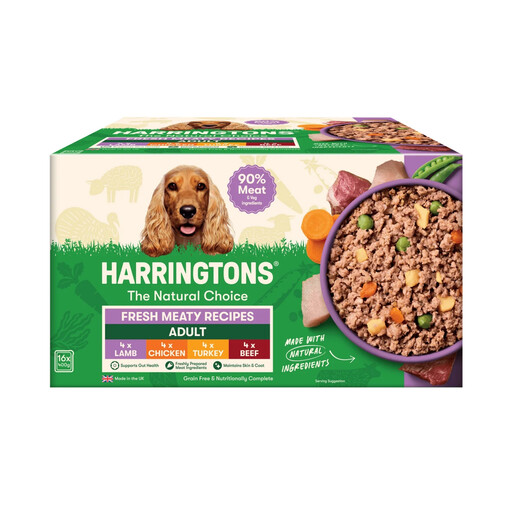
Why This Fits Their Persona: This bulk pack offers excellent value for money without forcing a compromise on core quality. It's a complete, grain-free food made in the UK, making it a practical and reliable choice for daily feeding. The variety of flavours keeps mealtime interesting for the dog.
It avoids the "high-meat illusion" by clearly stating it's made with freshly prepared meat as the number one ingredient, and it uses vegetables like peas and carrots instead of less nutritious fillers.
Hypoallergenic grain-free formula. Comes in a large 16-tray variety pack, offering convenience and great cost-per-meal.
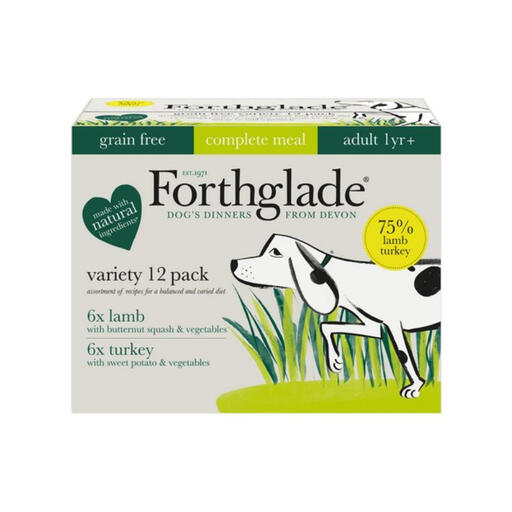
Why This Fits Their Persona: For owners who prioritise ingredient quality above all else, Forthglade delivers. Made in Devon, this food is for those who read the entire label and want to see a very high, named meat content and beneficial botanicals for their dog's well-being.
It completely avoids the "high-meat illusion" by featuring an impressive 75% named meat (lamb or turkey). It also uses nutrient-dense vegetables like sweet potato and butternut squash instead of empty fillers.
Extremely high meat content. Contains added glucosamine and chondroitin for joint support. Gently steamed to retain nutrients.
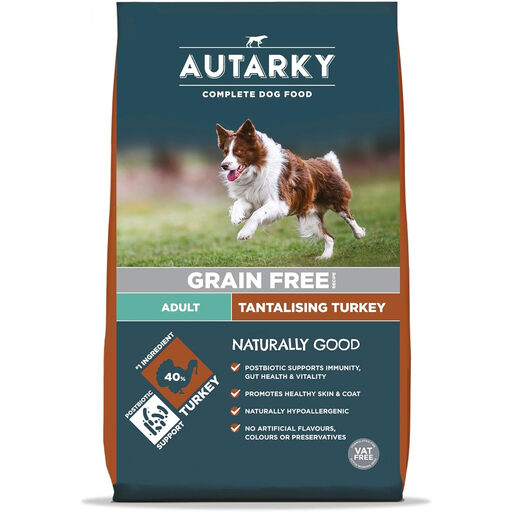
Why This Fits Their Persona: This is for the owner managing a dog with a sensitive stomach, skin issues or joint stiffness. The grain-free recipe is specifically designed for easy digestion, and the addition of mobility support ingredients provides a two-in-one nutritional solution.
It avoids the "healthy filler" myth by using potato and peas as the primary carbohydrate sources, which are known to be gentle on the digestive system. The formula is focused and avoids common allergens.
Hypoallergenic formula with prebiotics for gut health. Fortified with glucosamine and chondroitin for joint care.
We have compiled a complete, real-time list of products that fully satisfy these strict selection criteria and UK safety regulations.
1. How do I safely switch my pet to a grain-free food? A gradual transition is key to avoiding digestive upset. Start by mixing a small amount of the new food (around 25%) with their old food (75%). Over 7-10 days, gradually increase the proportion of the new food while decreasing the old, until you have fully switched over.
2. Is grain-free food suitable for all dogs and cats? While many pets thrive on grain-free diets, especially those with sensitivities, it's not a universal requirement. Healthy pets with no grain allergies can do perfectly well on high-quality foods that include grains. If your pet has a specific health condition, it is always advisable to consult with your veterinarian before making any significant dietary changes.
3. What is the difference between 'complete' and 'complementary' pet food? This is a critical distinction. A 'complete' food (like a complete wet dog food or dry kibble) is nutritionally balanced to provide all the nutrients your pet needs in their daily diet. A 'complementary' food (like many treats or some simple meat toppers) is not nutritionally complete and should only be fed as part of a balanced diet, not as the sole source of food. Always check the packaging for this information.