
24/7 Customer Support

Free returns

Same-day & Next-day Delivery

Quality Guaranteed

Unlock Your Welcome Offers: FREE Delivery | Up to 80% OFF | Free 30-day JoyPlus trial
Download the APP
Whether you are preparing weekday curries, Mediterranean salads, hearty soups or plant-based meal preparation, grains and pulses can make a versatile foundation for affordable home cooking. However, packaging language and different preparation methods can make comparison difficult.
A dry 500g bag, a 400g tin and a large family pack do not provide the same number of servings. The right choice depends on your cooking routine, storage space and the dishes you plan to make.
This guide explains the practical details to check before buying, followed by our top recommendations for different UK household needs.
Dried beans, dried lentils and grains absorb water during cooking, so the pack weight does not equal the final serving weight. For example, the Morrisons red split lentils listing states that 30g of uncooked lentils corresponds to approximately 80g when cooked.
Tinned products work differently. Tinned chickpeas and kidney beans are already rehydrated, and nutritional information is generally shown per drained 100g. Compare products using the number of usable servings rather than simply choosing the largest-looking pack.
Some grains and pulses need rinsing, soaking and extended simmering. Dried mung beans, adzuki beans, soya beans and coix seed can require forward planning, while ready-to-use legumes can be added directly to a meal after draining and rinsing.
If you regularly cook after work, buying only dry ingredients may lead to waste if preparation feels inconvenient. A mixture of quick-cooking dried lentils and ready-to-use beans can be more practical.
Terms such as vegan, plant-based protein, high-fibre foods and gluten-free can be useful starting points, but the ingredient and allergen statements still matter. Bulgur wheat and pearl barley are cereal ingredients and may contain gluten. Some quinoa packaging also includes a “may contain cereals containing gluten” warning, even where the ingredient itself is quinoa.
Always check the current packaging, especially if you have an allergy or need to avoid cross-contamination.
Choose based on how often you cook:
A larger pack may offer more usable portions, but only if the ingredient matches your regular recipes.
Check whether the product is ready to use or requires cooking. Tinned red kidney beans, chickpeas and mixed beans can be added to dishes after draining. Dried beans should be rinsed, soaked where instructed and cooked until soft.
Raw or undercooked dried pulses should not be eaten. Kidney beans require particular care: follow the pack instructions and cook thoroughly. Grains such as millet, quinoa, pearl barley and bulgur wheat also benefit from rinsing before preparation, although their cooking times vary.
For everyday comparison, look at:
Nutritional values can vary considerably between dry and cooked formats, so avoid comparing them as though they were equivalent.
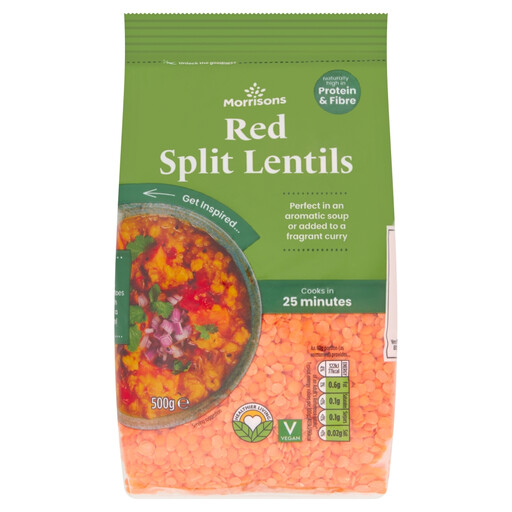
Why This Fits Their Persona: A manageable pack for cooks starting with dried lentils, particularly for dal, soups and tomato-based stews.
The pack clearly identifies the ingredient as 100% red lentils and provides cooked nutritional values and serving guidance.
6.1g fibre and 7.4g protein per 100g as consumed; the listing indicates approximately 17 servings.
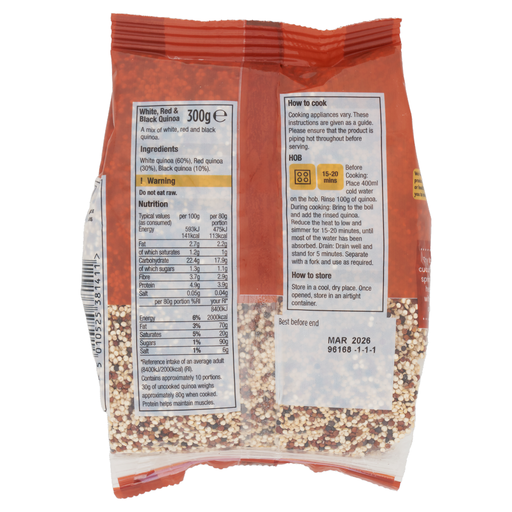
Why This Fits Their Persona: The three-colour mix suits shoppers who want varied texture and appearance in grain bowls, salads and side dishes.
The proportions are stated clearly: 60% white, 30% red and 10% black quinoa, rather than relying only on front-of-pack imagery.
Provides 3.7g fibre and 4.9g protein per 100g according to the listing; the ingredient mix is suitable for salads and meal preparation.
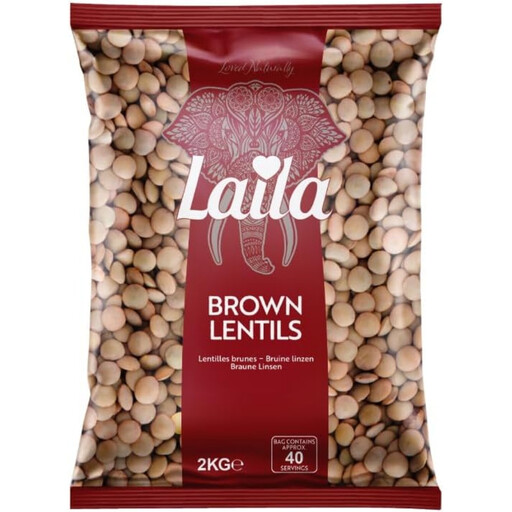
Why This Fits Their Persona: A large pack for households cooking curries, dals, soups and vegan meal-preparation dishes frequently.
The 2kg quantity makes the intended frequent-use format clear, while the label advises rinsing, soaking and checking for natural matter.
100% brown lentils; the listing gives 25g protein per 100g dry and a typical simmering time of 30–40 minutes.

Why This Fits Their Persona: Suitable for mung bean soup, porridge, desserts and other dishes where dried beans provide control over texture.
The instructions specify soaking and simmering until soft, making it clear that this is not a ready-to-eat product.
400g pack with 22.7g protein per 100g in the supplied nutritional information; the ingredient list contains mung beans only.
We have compiled a complete, real-time list of products that fully satisfy these strict selection criteria and UK safety regulations.
Transfer opened dried grains and pulses to an airtight container and keep them in a cool, dry place away from moisture, heat and insects. Inspect dried products and rinse them before cooking.
For recipes requiring several ingredients, prepare a batch of grains such as pearl barley, quinoa or bulgur wheat and refrigerate it promptly. Tinned beans should be transferred to a non-metallic container after opening, refrigerated and used within the time stated on the label.
Many single-ingredient products, including quinoa, millet, mung beans, chickpeas, lentils and dried beans, are suitable for vegan cooking. Always check the complete ingredient and allergen statement, particularly for flavoured or mixed products.
Red split lentils generally cook more quickly because they are split and do not usually require the same soaking period as whole dried beans. Chickpeas, kidney beans, adzuki beans and soya beans typically need longer preparation. Tinned versions are convenient when you need a meal-ready ingredient.
Choose quinoa for salads and grain bowls, pearl barley for soups, stews and risotto-style dishes, and bulgur wheat for tabbouleh-inspired salads and quick side dishes. If gluten avoidance is important, check each product’s allergen warning rather than assuming every grain is suitable.