
24/7 Customer Support

Free returns

Same-day & Next-day Delivery

Quality Guaranteed

Unlock Your Welcome Offers: FREE Delivery | Up to 80% OFF | Free 30-day JoyPlus trial
Download the APP
Grape drinks cover a wide range of flavours and formats, from concentrated juice and sparkling red grape drink to Korean grape beverages with fruit pieces. That variety is useful, but it can also make shopping confusing. A colourful label does not always mean a high grape content, while a large multipack may not suit a small household.
Before choosing a grape juice drink, sparkling grape drink or speciality beverage, check what is actually inside the bottle, how much you will receive and whether the format suits the occasion.
Some drinks use grape flavouring alongside sugar, sweeteners or other fruit ingredients. This is not necessarily a problem, but it creates a different drinking experience from a juice-led product. Always check the ingredients list and the quantitative ingredient declaration (QUID) where one is provided.
For example, a drink containing 30% red grape juice offers a different profile from a beverage containing a small quantity of concentrated grape juice and added flavouring. A green grape drink may also include apple, guava or other fruit components.
A product described as juice can still contain naturally occurring sugars, and some juice drinks also contain added sugar or syrups. Compare the nutrition panel per 100ml rather than relying on front-of-pack wording. In the supplied range, Huiyuan Grape Juice lists grape juice concentrate as its ingredient, while the LIGHT UP 1L drink combines grape juice concentrate, summer black grape juice and apple juice concentrate.
A 1L bottle can be practical for family meals, but it may need to be refrigerated and consumed soon after opening. A 230ml or 340ml bottle is easier for lunchboxes and individual servings. Texture matters too: aloe vera drinks and Korean grape beverages may contain gel or pulp, so check whether the bottle needs shaking before drinking.
Start by identifying the category:
The percentage of grape juice is a useful comparison point, but it does not describe sweetness, acidity or texture on its own.
For UK shoppers comparing products, use the nutrition panel to assess energy, carbohydrate, sugars and salt per 100ml. This makes a 230ml can, 500ml bottle and 1L carton easier to compare.
For reference, the listed NAYUKI Grape Oolong Tea provides 20 kcal and 4.8g sugars per 100ml, while BIGGA Grape lists 38 kcal and 9.6g sugars per 100ml. The figures are product-specific, so check the packaging before purchase, particularly when buying for children or serving several bottles at an event.
Multipacks can reduce the need for repeat orders and work well for parties or retailers, but confirm the total volume. BIGGA Grape is available as a single 600ml bottle, a three-pack and a 12-bottle case.
Check storage instructions carefully. Several drinks recommend refrigeration after opening and consumption within one to three days. Also review allergens: DeVina Sparkling Red Grape 750ml lists sulphur dioxide and sulphites, while Haitai Grape Bongbong notes possible traces of eggs, milk, peanuts and soya.
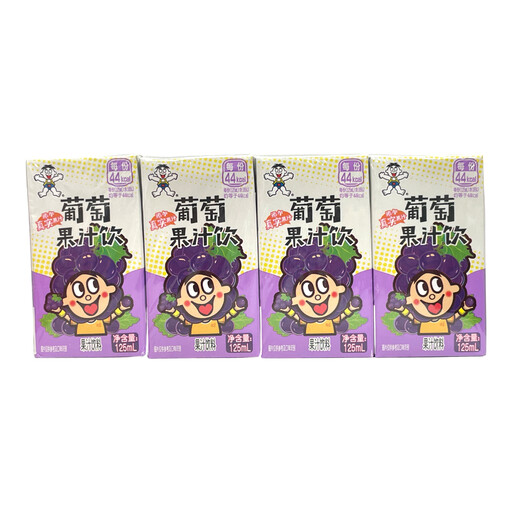
Why This Fits Their Persona: Four small 125ml cartons offer a manageable way to try an Asian grape beverage without committing to a large bottle or case.
The 1% concentrated grape juice declaration makes it clear that this is a flavoured juice drink rather than a high-juice product.
Four individual cartons; 35 kcal and 8.6g sugars per 100ml as listed.
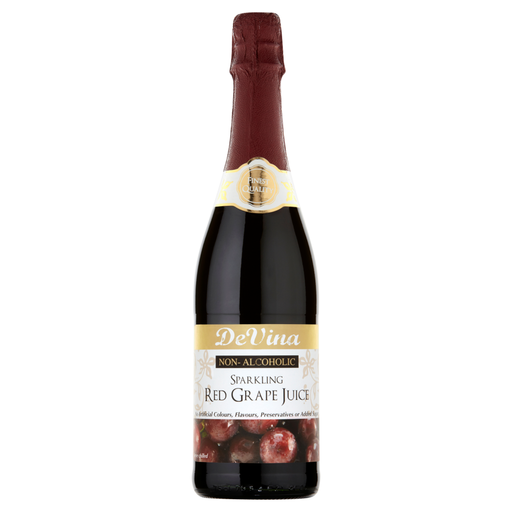
Why This Fits Their Persona: A bottle format with carbonation and red grape juice suits celebrations where guests want a non-alcoholic grape drink.
Its ingredient list identifies 25% red grape juice from concentrate and clearly flags sulphites for shoppers checking allergens.
750ml bottle; carbonated water and 25% red grape juice from concentrate.
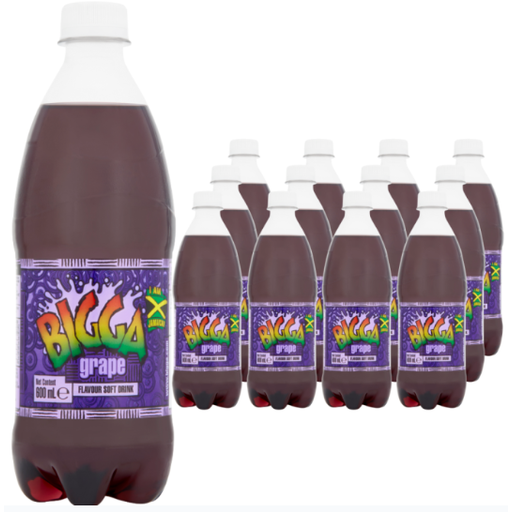
Why This Fits Their Persona: The 12-bottle case is suited to retailers, parties and households that regularly serve a Jamaican grape soft drink.
The case quantity and 600ml bottle size are stated directly, helping you compare total volume rather than judging packaging alone.
12 x 600ml bottles; listed at 38 kcal and 9.6g sugars per 100ml.
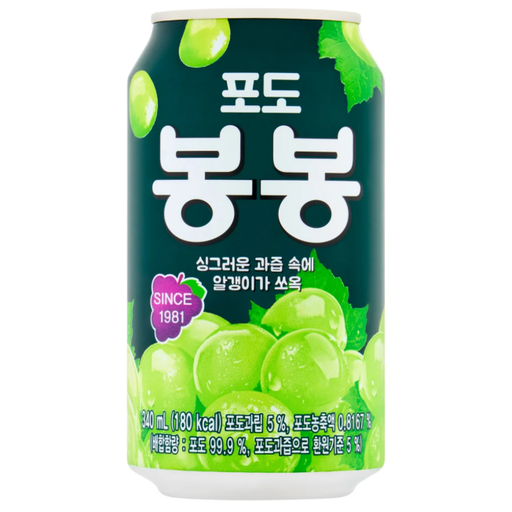
Why This Fits Their Persona: This Korean grape drink is designed for shoppers who want grape pulp and a chewy texture rather than a smooth juice.
The listing states 5% grape pulp and advises shoppers to shake lightly, so the texture is clear before purchase.
340ml serving; non-carbonated format with grape pulp.
We have compiled a complete, real-time list of products that fully satisfy these strict selection criteria and UK safety regulations.
Choose according to serving style. A sparkling red grape drink in a 750ml bottle creates a celebratory format, while a 12-bottle case of 600ml Jamaican grape soft drink is easier for larger gatherings and individual servings. Check the number of guests, available fridge space and whether carbonation is preferred.
Follow the product label. Many drinks should be refrigerated after opening and consumed within 24 hours to three days. Drinks containing pulp or aloe vera gel may need shaking before serving, and opened bottles should be sealed promptly to preserve flavour and texture.
Suitability depends on the individual product, ingredients and serving size. Check the sugar, sweetener, colour and allergen information before serving. Some products list sweeteners or colours with specific UK labelling warnings, so the packaging should always take priority over general descriptions.