
24/7 Customer Support

Free returns

Same-day & Next-day Delivery

Quality Guaranteed

Unlock Your Welcome Offers: FREE Delivery | Up to 80% OFF | Free 30-day JoyPlus trial
Download the APP
Grape juice drinks cover a wide range of products, from small lunchbox cartons and Korean grape beverages to family-size bottles, concentrated squash and grapefruit-infused beer. That variety is useful, but it can also make online shopping confusing.
The front of a bottle may highlight “fruit flavour”, “light” or “refreshing” without making the actual juice content immediately clear. Some products are ready to drink, while others must be diluted. Others may look similar to fruit drinks but contain tea, sweeteners, added sugar or alcohol. Checking the details before ordering helps you avoid paying for the wrong format or flavour.
A grape-flavoured drink is not necessarily mainly grape juice. Check the ingredient list and quantitative ingredient declaration, where available. For example, some drinks list concentrated grape juice at 1–3%, while others contain a higher proportion of grape juice or grape pieces.
“Juice drink”, “fruit drink” and “juice from concentrate” describe different formulations. If authentic grape flavour is your priority, compare the percentage of grape juice rather than relying on the product image or front-of-pack wording.
A squash may show nutrition per 100ml of concentrate and separately per 250ml diluted serving. These figures are not directly interchangeable. Robinsons Fruit & Barley Pink Grapefruit No Added Sugar lists 2 kcal per 250ml diluted serving, while its concentrated value is higher per 100ml.
Likewise, a ready-to-drink beverage such as a 450ml grape and oolong tea is consumed at its listed strength. Always check the serving size, carbohydrate and sugar figures before comparing it with no added sugar squash or low-calorie fruit drinks.
Ingredients such as barley and sulphites matter to shoppers managing allergies or dietary requirements. Robinsons Pink Grapefruit contains barley, sulphur dioxide and sulphites, whereas several of the listed grape drinks declare no allergens.
Storage instructions also vary. Some bottles should be refrigerated after opening and consumed within 24 hours, while other products allow a longer period after opening. Alcoholic products have separate legal age restrictions and responsible-drinking guidance.
Ingredients are listed by weight, with the most substantial ingredients appearing first. Look for:
For a more fruit-forward option, LIGHT UP Every Moment 100% Grape Juice with Multi-fruit lists 20% grape juice concentrate and 10% summer black grape juice, alongside apple juice concentrate. By contrast, a grape-flavoured drink may use a smaller quantity of juice with flavourings.
Use the UK nutrition panel to compare energy, carbohydrates and sugars per 100ml, then consider the bottle or carton size. A 500ml bottle at 43 kcal per 100ml provides a different total intake from a 125ml carton at 35 kcal per 100ml.
“No added sugar” does not mean sugar-free. It means that sugar has not been added under the relevant formulation rules; naturally occurring sugars may still be present. Sweeteners can also be used, so read the full ingredients list if you want to avoid them.
Choose the format that suits your routine:
A 15-bottle pack may offer convenient stock for a household, but smaller cartons can reduce opened-product waste when serving children or occasional users.
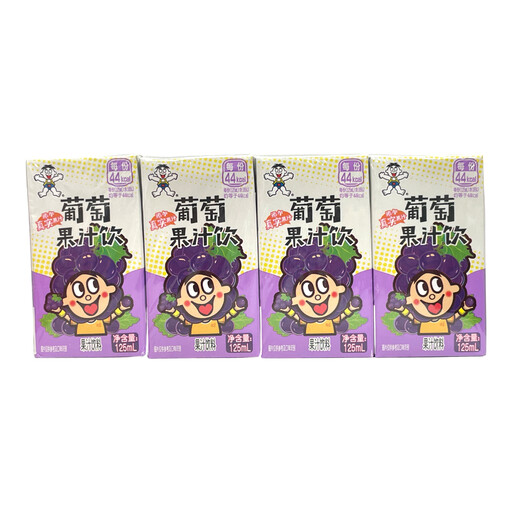
Why This Fits Their Persona: Four 125ml cartons suit breakfast tables, school bags and first-time shoppers who want a small pack rather than a large bottle.
The 125ml serving size makes portion comparison straightforward, while the listed concentrated grape juice content is 1% rather than being implied by the packaging alone.
Four individually packed cartons; 35 kcal per 100ml according to the supplied nutrition information.
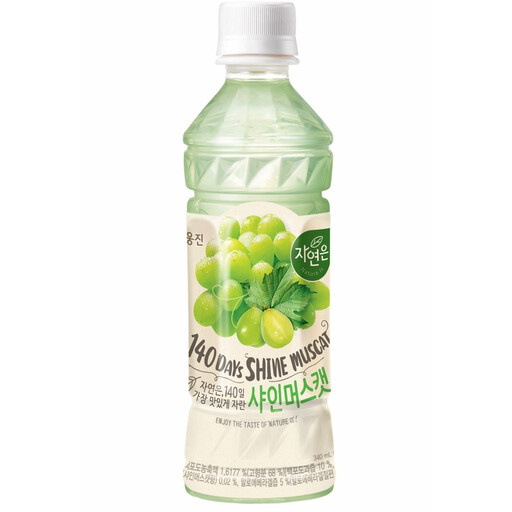
Why This Fits Their Persona: The 340ml PET bottle offers a compact serving for shoppers seeking a Korean grape drink with a distinctive Shine Muscat flavour profile.
Its clearly stated bottle size and storage instructions help set realistic expectations for a single-serve imported beverage.
Portable 340ml PET format; refrigerate and consume within 24 hours after opening.
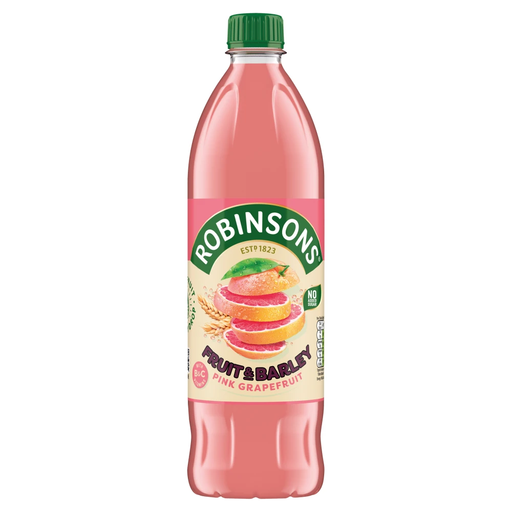
Why This Fits Their Persona: Families and frequent squash drinkers can dilute one part concentrate with four parts water and prepare multiple servings from one bottle.
The diluted nutrition panel makes the serving impact visible, while the label identifies sweeteners, barley and sulphites for informed purchasing.
1L concentrate; 2 kcal per 250ml diluted serving as listed; contains pink grapefruit juice from concentrate.
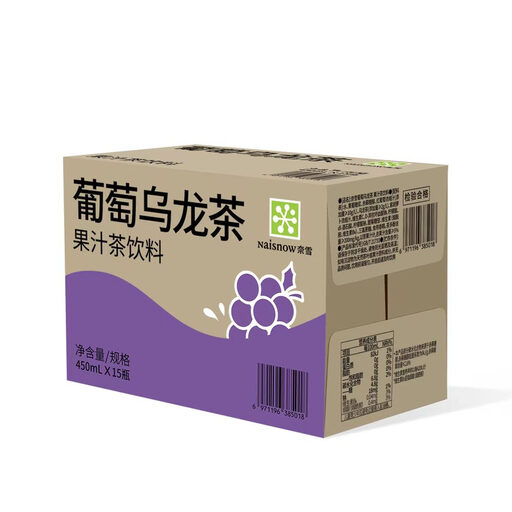
Why This Fits Their Persona: Students, office workers and Asian beverage fans may prefer a chilled single-bottle drink combining red grape juice and oolong tea.
The product is clearly positioned as a fruit drink with tea, not pure grape juice, and lists 20 kcal per 100ml for easier comparison.
15 x 450ml bottles; ready to drink; contains concentrated red grape juice and oolong tea.
We have compiled a complete, real-time list of products that fully satisfy these strict selection criteria and UK safety regulations.
For a sharper citrus profile, Nongfushanquan C100 Grapefruit Flavour is a 15 x 445ml multipack with 4 kcal per 100ml listed. For a pulpier drink, Tropical Sun Red Grape Juice Drink contains red grape juice, pieces and pulp in a 330ml bottle.
BrewDog Elvis Juice Grapefruit Infused IPA is a different category altogether: it is a 6.5% ABV alcoholic drink, supplied as four 330ml cans, and contains barley. It is subject to a statutory 18 restriction and should be consumed responsibly. Do not compare it with grapefruit squash or soft fruit drinks on hydration, family suitability or serving occasions.
Check the serving size, ingredients, sugar content and the packaging instructions. Small cartons such as 125ml packs can be easier to portion, but parents should also consider the drink’s sugar content and overall diet. Alcoholic products are not suitable for children.
It can provide more prepared servings from one bottle because it is diluted with water. The actual value depends on the purchase price, dilution ratio and how much is discarded after opening. Compare the approximate number of servings rather than only the bottle price.
Follow the product label. Several ready-to-drink products recommend refrigeration and consumption within 24 hours, while Tropical Sun advises using its opened bottle within three days. Keep unopened products in a cool, dry place away from direct sunlight, and check the best-before information before serving.