
24/7 Customer Support

Free returns

Same-day & Next-day Delivery

Quality Guaranteed

Unlock Your Welcome Offers: FREE Delivery | Up to 80% OFF | Free 30-day JoyPlus trial
Download the APP
Grapefruit drinks cover a surprisingly wide range of products, from zero-calorie sparkling water and grapefruit tea to Mexican soda, pink grapefruit squash, alcoholic Japanese chu-hi and grapefruit supplements. The flavour can be sharp, bitter, sweet, floral or lightly carbonated, so choosing by the front label alone can lead to disappointment.
As the Joybuy Product Recommendation Officer, I focus on the practical details that marketing often leaves unclear: what is actually in the bottle, how much sugar or alcohol it contains, whether the format suits your routine and whether the serving size offers reasonable value.
A grapefruit-flavoured drink may contain natural flavourings or extract without containing much grapefruit juice. This is not necessarily a problem, but it creates a different taste and nutritional profile from grapefruit juice or a drink made with juice concentrate.
Check the ingredients list for terms such as:
For example, sparkling grapefruit water is usually designed to provide a light citrus aroma rather than the fuller sweetness of juice.
“No added sugar” products can still contain naturally occurring fruit sugars. A sugar-free grapefruit drink, by contrast, may use sweeteners such as sucralose, acesulfame K, steviol glycosides or erythritol.
Always compare the sugars per 100ml and the serving size. A 330ml can with 6.8g of sugar per 100ml contains considerably more sugar overall than the same-sized can with zero sugar, even if both are described as refreshing or fruit-based.
Some grapefruit drinks are alcoholic products rather than soft drinks. Japanese grapefruit drinks such as chu-hi may contain around 4–6% ABV, while Korean grapefruit soju may contain a higher percentage. Look for ABV, alcohol units and the 18+ restriction before ordering.
Grapefruit supplements also need additional care. Grapefruit and grapefruit extracts can be unsuitable alongside certain medicines. Check the packaging and consult a pharmacist or GP if you take prescription medication. Food supplements should not replace a varied diet.
For everyday hydration, compare the nutrition panel rather than relying on terms such as “light”, “natural” or “healthy”. Dash Water, for example, lists 2 kcal and 0g sugar per 100ml, while Jarritos Grapefruit Soda lists approximately 27 kcal and 6.8g sugar per 100ml.
A zero-calorie grapefruit drink may suit people reducing sugar intake, but sweeteners can produce a different aftertaste from sugar. If you prefer a traditional fruit profile, grapefruit juice or pink grapefruit squash may be more suitable, although their calories and sugars vary.
Choose the format according to how you expect to use it:
For alcoholic options, compare both ABV and total units per container. Asahi Zeitaku Shibori Grapefruit is listed at 4% ABV with 1.8 units per 350ml can. Kirin Honshibori Grapefruit Chu-Hi is listed at 5% ABV and 1.8 units per 350ml can, while Suntory -196 Grapefruit is listed at 6% ABV and 2.0 units per 330ml can.
These products are for adults aged 18 and over. Do not drink when pregnant, driving or operating machinery and consume alcohol responsibly.

Why This Fits Their Persona: A multipack format suits shoppers stocking the fridge for workdays, lunches or casual gatherings without choosing a sugary grapefruit soda.
The listing specifies no sugar, sweeteners or calories, making the nutrition profile clearer than many fruit-flavoured fizzy drinks.
330ml cans; listed at 2 kcal and 0g sugar per 100ml; no allergens declared.
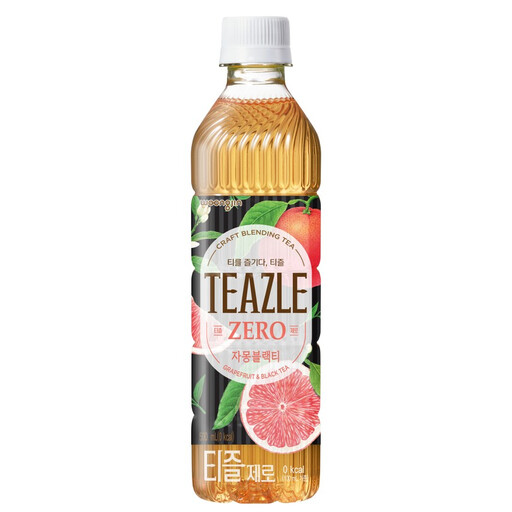
Why This Fits Their Persona: This Korean ready-to-drink tea suits adults who want a more layered alternative to standard sparkling water, with black tea and tangy grapefruit notes.
The product information identifies it as sugar-free and zero-calorie, rather than leaving the meaning of “light” unclear.
500ml ready-to-drink bottle; vegan-friendly; intended to be served chilled.
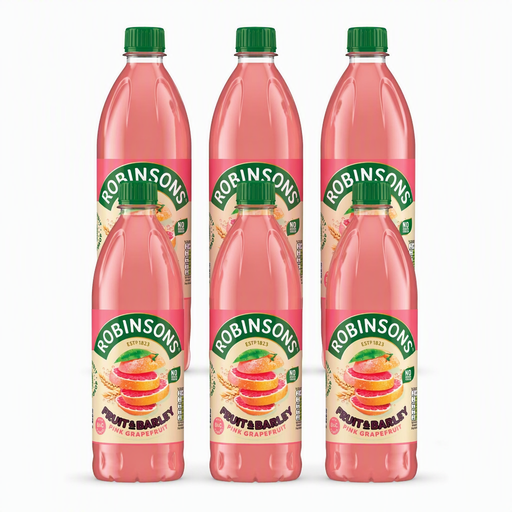
Why This Fits Their Persona: The six-bottle case is practical for families, shared homes or regular squash drinkers who prefer to dilute each glass.
The stated dilution ratio is 1 part squash to 4 parts water, and nutrition is provided for the diluted serving as well as the concentrate.
1L bottles; listed at 2 kcal per 250ml diluted serving; contains barley, sulphites and low-calorie sweeteners.
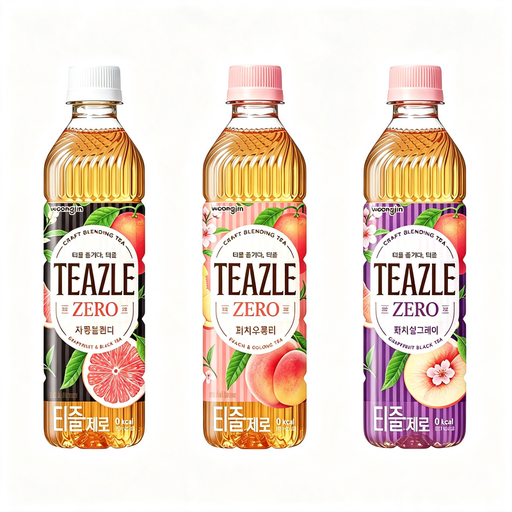
Why This Fits Their Persona: A mixed pack lets shoppers compare peach, Earl Grey, oolong and grapefruit black tea flavours in one purchase.
The pack format reduces the risk of committing to one flavour before knowing whether you prefer grapefruit with black tea or another tea base.
Three 500ml bottles; sugar-free and zero-calorie product description; ready to drink chilled.
We have compiled a complete, real-time list of products that fully satisfy these strict selection criteria and UK safety regulations.
For a Mexican-style soft drink, Jarritos Grapefruit Soda 370ml is listed with cane sugar and approximately 27 kcal per 100ml. For hydration tablets, Berocca Hydrate grapefruit flavour provides an effervescent format with electrolytes and B vitamins; follow the label instructions rather than treating it as a standard soft drink.
Adults seeking alcoholic choices can compare Jinro Chamisul Grapefruit Korean Soju, Asahi Zeitaku Shibori Grapefruit, Kirin Honshibori Grapefruit Chu-Hi and Suntory -196 Grapefruit. Check each product’s ingredients, ABV, units and allergen information, particularly where sulphites or barley are listed.
They are different products, so compare the nutrition panels rather than assuming one is suitable for every diet. Grapefruit juice can contain naturally occurring sugars, while grapefruit soda commonly contains added sugar. Sparkling grapefruit water may contain little or no sugar but provide a lighter flavour.
Not always. “Zero-calorie” and “sugar-free” are separate statements, although they may appear together. Check the ingredients for sweeteners and the nutrition declaration for sugars per 100ml. Also check whether the product is a drink, powder or supplement, as preparation can change the final serving size.
Do not assume that grapefruit supplements or grapefruit seed extract are suitable with medicines. The product information may include a medication interaction warning, but a pharmacist or GP can provide advice specific to your prescription. Follow the stated dosage and never use a supplement as a substitute for a balanced diet.