
24/7 Customer Support

Free returns

Same-day & Next-day Delivery

Quality Guaranteed

Unlock Your Welcome Offers: FREE Delivery | Up to 80% OFF | Free 30-day JoyPlus trial
Download the APP
From jotting down a shopping list to drafting an architectural blueprint, the humble graphite pencil remains an essential tool. Yet, choosing the right one can be surprisingly complex. Whether you are a parent stocking up on school supplies, an artist seeking the perfect shading tool or an office professional in need of a reliable writing instrument, the vast array of options can be overwhelming.
This guide is designed to help you navigate the choices. We will break down the key features to consider and highlight a few standout options for different needs, allowing you to find the perfect graphite pencils for your task.
Before you add a pack to your basket, considering a few key factors can ensure you get the best tool for the job.
The most crucial characteristic of a pencil is its lead hardness, indicated by a code of letters and numbers. The scale generally runs from 'H' (Hard) to 'B' (Black or Soft).
The body of the pencil, or barrel, affects how comfortable it is to hold, especially during long sessions.
The convenience of wooden pencils with an eraser attached is undeniable, particularly for students and general note-taking. It means one less item to carry and keeps corrections quick and easy. However, many professional artist drawing pencils are sold without erasers, as artists often prefer to use specialised putty or vinyl erasers that are gentler on paper and offer more precise removal.
Based on common user needs for writing, drawing and general use, here are our recommendations.
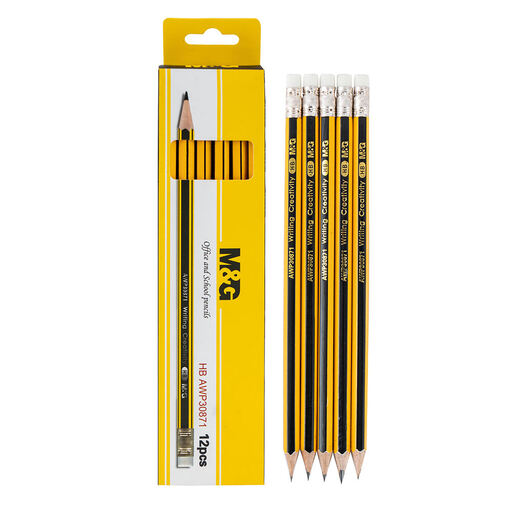
Why It Stands Out: This 12-pack from M&G is a practical and economical choice for everyday tasks. With its classic design, balanced HB lead and attached eraser, it delivers reliability and convenience, making it a go-to for high-volume use in the classroom, office or home.
Pros:
Who is it for: An excellent option for students, parents buying school pencils and offices needing a bulk supply of dependable writing tools.
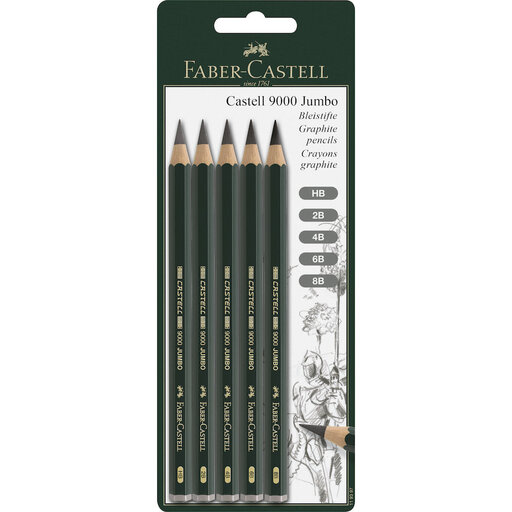
Why It Stands Out: The Castell 9000 line is a long-standing favourite among artists and designers. This set is designed for creative and technical work, featuring finely graduated hardness levels and superior break-resistance, thanks to lead that is fully bonded with the wood casing.
Pros:
Who is it for: Artists, illustrators, designers and anyone who requires a high-quality sketching pencils set for precise creative or technical projects.
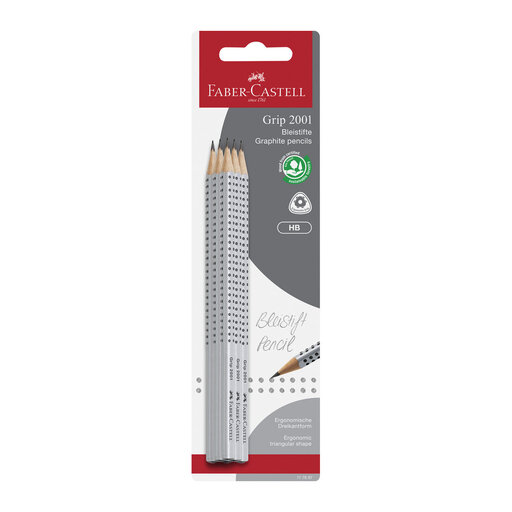
Why It Stands Out: This pencil’s design is centred on user comfort. The ergonomic triangular shape and patented non-slip grip zone, featuring small raised dots, are engineered to reduce hand fatigue, making it an excellent tool for anyone who writes or draws for extended periods.
Pros:
Who is it for: Ideal for students with long exam sessions, professionals who take copious notes and anyone who prioritises comfort and a secure grip in their writing instruments.
While these three selections cover a wide range of common needs, the world of pencils is vast. If you are looking for different lead grades, pack sizes or unique designs, there are many other choices available.
To explore a wider variety, browse our full collection. Discover more in our Natural Materials Pencils category.
What is the difference between H and B pencils? 'H' stands for Hard, and these pencils produce a light, precise line that is resistant to smudging. 'B' stands for Black, and these pencils have a softer lead that creates a dark, rich mark ideal for shading. An HB pencil is a balanced medium, making it the standard for everyday writing.
Are more expensive pencils worth it? This depends entirely on your use case. For daily note-taking or schoolwork, a reliable and cost-effective pack is often sufficient. For artists and designers, a higher price point typically reflects better lead consistency, a wider range of hardness grades and superior break-resistance—qualities that are essential for producing high-quality work.
How can I stop my pencil lead from breaking so often? First, look for pencils that are marketed with break-resistant or "bonded lead" technology, where the graphite is securely glued to the wood casing. Secondly, avoid applying excessive pressure when writing or drawing. Finally, using a quality sharpener with a sharp blade will create a strong, stable point without putting undue stress on the lead.