
24/7 Customer Support

Free returns

Same-day & Next-day Delivery

Quality Guaranteed

Unlock Your Welcome Offers: FREE Delivery | Up to 80% OFF | Free 30-day JoyPlus trial
Download the APP
Buying premium grass-fed beef steaks online can make a special dinner or barbecue feel considerably more enjoyable, but attractive descriptions do not always tell the whole story. The cut, ageing method, pack size, storage instructions and country of origin all affect what arrives at your door and how it should be cooked.
This guide helps UK shoppers compare grass-fed, dry-aged and British beef steaks without paying for features that do not suit their cooking plans.
Grass-fed describes the cattle’s diet, but it does not automatically indicate the cut’s tenderness, flavour intensity or ideal cooking method. Aberdeen Angus beef and Hereford beef may both be grass-fed, yet a ribeye, fillet and chuck steak have very different textures because they come from different parts of the animal.
Check the product description for:
Dry-aged beef can develop a more concentrated flavour, but ageing length is only one factor. A lean fillet steak will eat differently from a marbled ribeye steak, even when both have been dry-aged. A bavette steak may offer plenty of flavour but needs fast cooking and slicing across the grain.
Look for a stated ageing period rather than relying on vague wording. Several HG Walter cuts listed here specify a minimum of 21 or 28 days of dry ageing, while the grass-fed Angus chuck roll slices are supplied frozen and do not carry the same dry-ageing description.
A 220g fillet steak may suit one person, whereas a 450g T-bone steak is designed as a more substantial bone-in portion. Sirloin strips are practical for stir-fries, while diced beef chuck requires slow cooking. Comparing price alone can therefore be misleading.
Before ordering, check:
For quick, high-heat cooking, consider a ribeye steak, sirloin steak, fillet steak, flat iron steak or bavette steak. Ribeye contains more visible marbling, while fillet is naturally leaner and has a fine grain. Flat iron and bavette are flavour-focused cuts that benefit from a hot pan or grill and careful slicing.
For slower dishes, beef chuck steak or diced chuck is more suitable. Its connective tissue softens during braising, making it useful for casseroles, beef bourguignon and slow-cooked ragu.
Marbling means the small veins of fat distributed through the muscle. During cooking, this fat can contribute to juiciness and a richer mouthfeel. Ribeye is generally selected for its marbling, while sirloin often has a recognisable fat cap along the edge. Fillet has very little intramuscular fat, giving it a cleaner, more delicate character.
Neither higher nor lower fat is automatically preferable. Choose according to taste, cooking equipment and dietary preferences.
Frozen beef can be practical for planned meals and may help reduce household waste, but it must be thawed completely before cooking. The Angus chuck roll slices, for example, should be kept at –18°C or below and should not be refrozen after defrosting.
Chilled products such as HG Walter bavette steaks should generally be stored between 0°C and 5°C, following the label instructions. Keep raw beef separate from ready-to-eat food, wash hands and utensils after handling and always check the packaging before use.
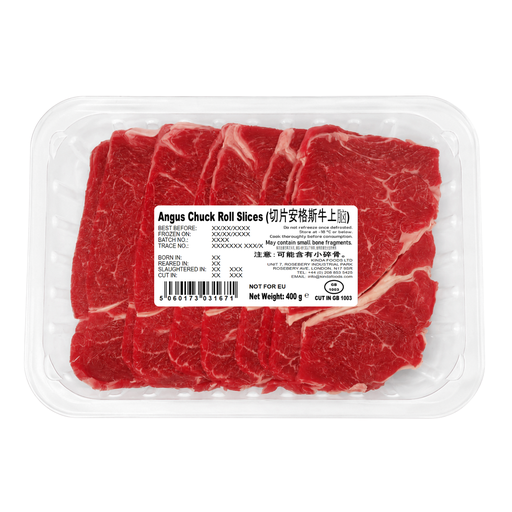
Why This Fits Their Persona: A 400g family pack offers a straightforward option for first-time buyers planning pan-frying, hot pot or a family barbecue.
The listing states the weight, 100% beef ingredients, frozen storage requirement and suggested uses rather than relying only on premium wording.
Grass-fed Angus beef; 400g pack; suitable for grilling, pan-frying, yakiniku and hot pot.
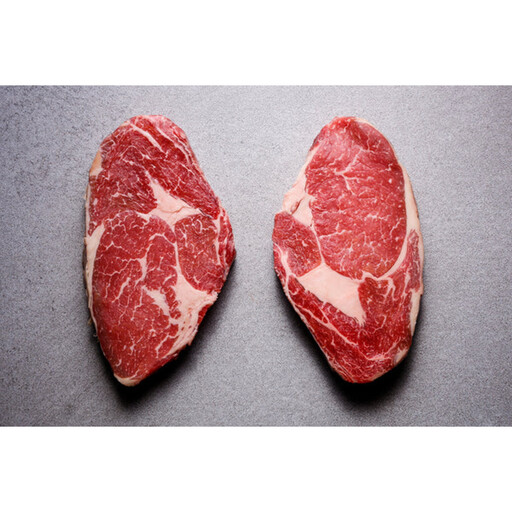
Why This Fits Their Persona: Two 250g steaks suit a date-night meal or a special dinner where marbling and a richer beef flavour are priorities.
The product information identifies the fore-rib cut, grass-fed Aberdeen Angus or Hereford sourcing and a minimum 28-day dry-ageing period.
Two 250g portions; visible marbling characteristics; suitable for grilling or pan-searing.
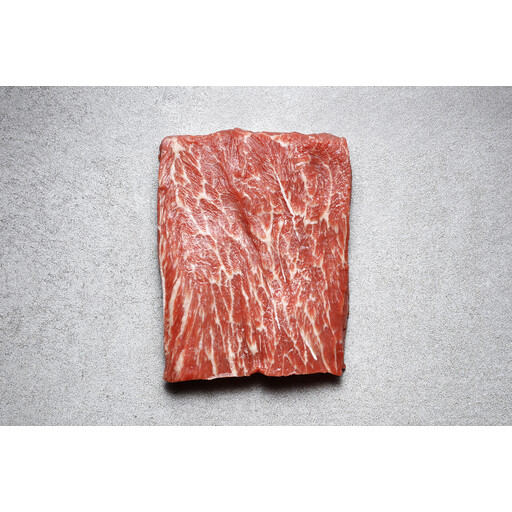
Why This Fits Their Persona: A 250g flat iron is suited to hot pans, grills and charcoal barbecues when you want a relatively quick-cooking steak with an even grain.
The description names the featherblade source, explains that the central seam is removed and recommends slicing against the grain.
Grass-fed beef; minimum 28-day dry ageing; suitable for fast cooking over high heat.
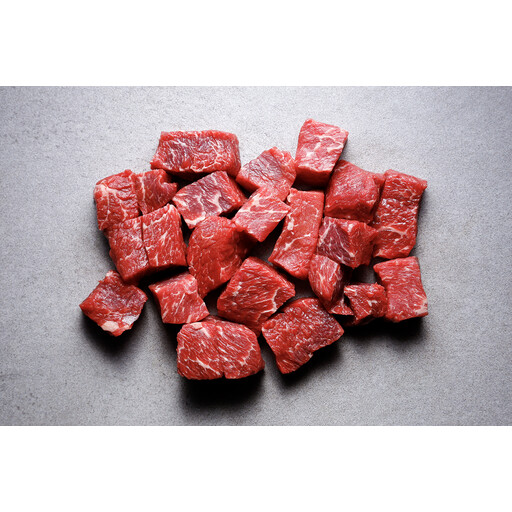
Why This Fits Their Persona: This format works for households preparing stews, casseroles, braises or slow-cooked ragu rather than individual pan-fried steaks.
The description clearly identifies chuck as a shoulder cut and explains that connective tissue needs gentle, prolonged cooking.
500g pack; consistent diced format; grass-fed Aberdeen Angus or Hereford sourcing stated.
We have compiled a complete, real-time list of products that fully satisfy these strict selection criteria and UK safety regulations.
For beef steak delivery UK shoppers should also inspect the delivery packaging promptly and refrigerate or freeze the meat according to the stated instructions.
They can be worthwhile when you value specific attributes such as stated provenance, dry-ageing, breed, marbling or a particular cut. The additional cost is easier to justify for a special occasion or when the cut matches your cooking method. For everyday meals, sirloin strips, bavette or a family pack may offer a more practical format.
Ribeye, sirloin, flat iron, bavette and T-bone steaks are all suited to high-heat grilling when prepared according to their thickness and label instructions. Ribeye brings more natural fat, while flat iron and bavette are generally thinner and cook quickly. A T-bone requires attention because it contains both sirloin and fillet sections.
The answer depends on whether the product is chilled or frozen. Follow the use-by or best-before date printed on the packaging and keep chilled beef within the stated refrigerator temperature. Frozen products should remain at –18°C or below. If you will not use chilled beef promptly, freeze it on the day of delivery only where the label permits, then thaw it fully in the refrigerator and do not refreeze.