
24/7 Customer Support

Free returns

Same-day & Next-day Delivery

Quality Guaranteed

Unlock Your Welcome Offers: FREE Delivery | Up to 80% OFF | Free 30-day JoyPlus trial
Download the APP
Buying grass-fed beef and whey protein supplements involves more than choosing attractive packaging or a premium-sounding description. UK shoppers need to compare the cut, weight, ingredients, storage instructions and intended use before paying a higher price.
A ribeye steak suited to a weekend dinner is a very different purchase from a 2kg whey protein bag for regular training. The same applies to collagen peptides: a clean ingredient list may matter more than flavour or promotional claims.
Grass-fed sourcing can be an important preference, but it does not automatically explain the cut, ageing period, fat content, pack size or cooking method. A lean fillet steak and a marbled ribeye may both come from grass-fed cattle, yet they offer different textures and cooking results.
For supplements, check whether “grass-fed” refers to the milk source, the whey concentrate or the full formula. Also review the percentage of protein per 100g rather than relying on front-of-pack wording.
A well-marbled steak can disappoint if it is cooked too slowly, while diced chuck steak can remain firm if treated like a quick-fry cut. Flat iron steak, bavette steak and sirloin strips are generally suited to high heat and short cooking. Beef short ribs and chuck require a longer, gentler approach.
A large pack may reduce how frequently you reorder, but only if you enjoy the flavour, tolerate the ingredients and can use it before the best-before date. Check the serving size, number of servings, protein per serving, sweeteners and allergens. Whey products commonly contain milk, while some formulas also contain soya lecithin.
Marbling refers to intramuscular fat. It can contribute to a richer eating experience, but a lean cut may be more suitable if you prefer a cleaner finish. Ribeye steak contains more visible marbling than fillet steak, while flat iron steak offers a balance of flavour and relatively quick preparation.
Dry-aged steak should include a stated ageing period where available. The HG Walter cuts listed here specify dry ageing of at least 21 or 28 days, depending on the product. Ageing can concentrate flavour and alter tenderness, but it does not replace correct cooking.
Use the stated weight to calculate portions and value. A 220g fillet steak may suit one generous serving, while a 450g T-bone steak can be shared depending on the amount of bone and side dishes. For family cooking, 500g diced chuck steak or 550g beef short ribs may be more practical.
For whey, compare the nutrition panel per 30g serving and per 100g. The listed Vilgain whey products provide 24g protein per 30g serving and 80g protein per 100g, according to their product information. These figures should always be checked against the packaging supplied with your order.
A short ingredient list may make label checking easier, but “natural” does not necessarily mean suitable for everyone. Confirm allergens and directions before purchase. Whey is unsuitable for people avoiding dairy, and collagen sourced from bovine materials is not suitable for those avoiding animal-derived ingredients.
Fresh meat requires careful refrigeration. Follow the pack’s temperature guidance, cook thoroughly where appropriate and do not refreeze meat after it has been defrosted unless the label specifically permits it.
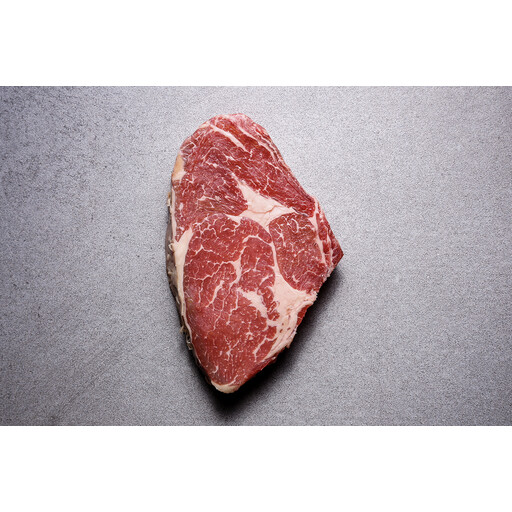
Why This Fits Their Persona: A suitable choice for a special home-cooked meal when you want a richly marbled steak with a stated dry-ageing period.
The listing identifies the fore-rib cut, 250g weight, grass-fed sourcing and minimum 28-day dry ageing.
Ribeye eye and outer cap; visible marbling; 100% beef ingredient information.
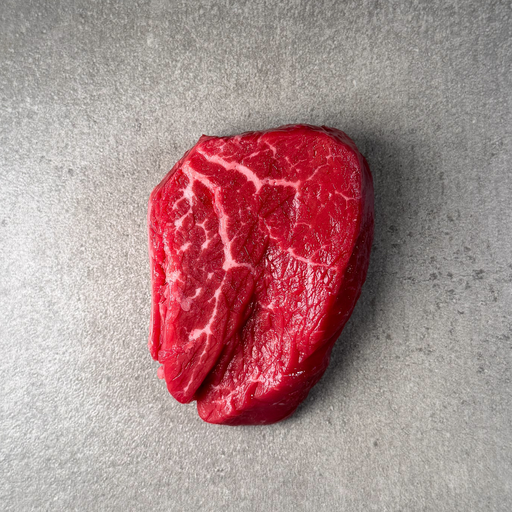
Why This Fits Their Persona: Suits shoppers who prefer a naturally lean cut with a soft texture and simple pan, grill or charcoal preparation.
Its description clearly states the tenderloin cut, 220g size and minimum 21-day dry ageing rather than relying only on premium wording.
Low visible fat; fine grain; 100% beef listed in the ingredients.
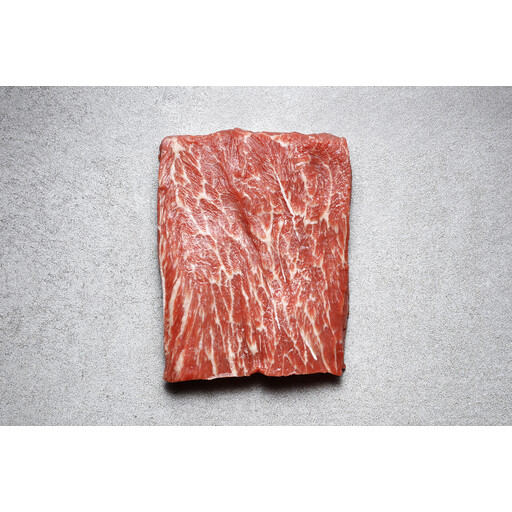
Why This Fits Their Persona: A practical option for weekday meals where fast cooking and pronounced beef flavour are priorities.
The product specifies the featherblade source, removed central seam, 250g weight and minimum 28-day dry ageing.
Designed for high-heat cooking; slice against the grain after resting.
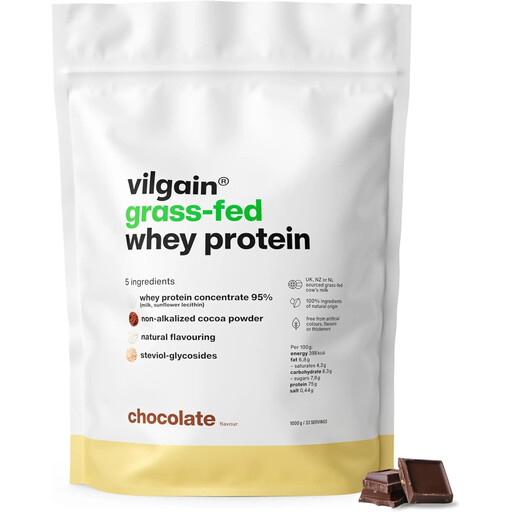
Why This Fits Their Persona: Useful for gym users and busy adults who want a measured protein serving after training or between meals.
The label information gives a 30g serving, 24g protein, 33 servings per container and a defined ingredient list.
Chocolate flavour; 80g protein per 100g; contains milk and should be checked by allergy-sensitive shoppers.
We have compiled a complete, real-time list of products that fully satisfy these strict selection criteria and UK safety regulations.
Collagen peptides and whey serve different shopping purposes. Collagen peptides are bovine-derived and typically have a neutral flavour, making them easy to mix into coffee, porridge or smoothies. The Planet Paleo Pure Collagen pack contains 450g, approximately 60 servings, and lists Type 1 and 3 collagen peptides. It is also described as dairy-free, but shoppers should still check the current packaging and suitability for their diet.
Flavoured whey protein, such as chocolate, cinnamon roll or strawberry milkshake options, may be easier to use consistently if you dislike unflavoured powders. Compare sweeteners, flavourings, protein concentration and serving guidance rather than selecting based on taste claims alone.
Grass-fed whey refers to the stated source of the milk used for the whey. Nutritionally, compare the actual label: protein per serving, carbohydrates, fat, ingredients and allergens. Source descriptions should not replace checking the nutrition panel.
Follow the use-by date and storage instructions on the packaging. Keep fresh beef refrigerated, generally within the temperature range shown on the label. If freezing is permitted, defrost it fully before cooking and do not refreeze once defrosted.
No. They are different products with different protein compositions and uses. Whey is commonly selected for a convenient complete protein serving, while collagen peptides are chosen for their collagen content. Neither should replace a varied diet, and people with medical conditions, allergies or specific dietary needs should check the label and seek appropriate professional advice.