Families making quick hot snacks
Ready-grated cheese cuts out grating for toasties, jacket potatoes or pasta bakes. Choose a pack you can use across the meals you have planned.


For quick hot snacks, mild or medium pre-grated cheddar offers a gentler cheddar flavour; a mild cheddar–mozzarella blend is another melting option, though it is not solely hard cheese. Mature cheddar has a stronger flavour, while reduced-fat cheddar still needs a check of saturated fat and salt. Before choosing a pack size, check its milk allergen statement and instructions for storage and use after opening.
Ready-grated cheese cuts out grating for toasties, jacket potatoes or pasta bakes. Choose a pack you can use across the meals you have planned.
If saturated fat or salt matters to your choice, compare the figures on the current pack rather than deciding from its flavour or reduced-fat wording alone.
For a milk allergy or an ingredient preference, read the current pack’s ingredients and allergen statement. Some grated-cheese products also contain potato starch.
Start with the snack you plan to make, then compare flavour, the label and how soon the opened pack needs using.
| Priority | What to check | Your needs |
|---|---|---|
| Snack and flavour | Check whether the pack is mild or medium cheddar, mature cheddar, or a cheddar–mozzarella blend. The blend is not solely hard cheese. | I want a gentler cheddar flavour, or I need a grated cheese for hot snacks such as toasties and jacket potatoes. |
| Saturated fat and salt | Compare the current label per 100g and per serving. A reduced-fat claim does not settle the saturated-fat or salt comparison. | Convenience matters, but I also want to judge the cheese against the rest of our food choices. |
| Ingredients and allergens | Read the milk allergen statement and full ingredient list; some grated cheeses contain potato starch. Check the actual pack before serving. | I need to know what is in the cheese for everyone who will eat it. |
| Pack size and storage | Check the quantity, refrigeration directions and period for use after opening. Tesco, Sainsbury’s and M&S product listings include examples specifying use within 3 days of opening. | Will we use the opened pack across the snacks and meals we have planned, without leaving much behind? |
Waitrose & Partners marks both saturated fat and salt as high per 30g serving on its Essential 30% Reduced Fat Mature Grated Cheddar.
Compare the saturated-fat and salt figures per 100g and per serving on the packs you are considering.
Several Tesco, Sainsbury’s and M&S grated-cheese listings specify refrigeration and use within 3 days after opening.
Match the pack size to meals planned within the period printed on that pack, and follow its storage directions.
An unfinished opened pack may have to be discarded.
The cited dairy-cheese listings identify milk, while some also list potato starch.
Check the current pack’s ingredients and allergen statement when choosing for someone with an allergy or an ingredient preference.
The NHS advises considering how much cheese you eat and how often, because it can be high in saturated fat and salt. Its Eatwell Guide considers food choices across a day or week.
Consider the cheese alongside the other ingredients and meals you are planning, rather than treating the topping as the whole decision.
These retailer examples show different grated-cheese formats; check the current product pack for the details that matter to your household.
Tesco Groceries lists grated cheddar in mild, medium, mature and extra-mature varieties, alongside reduced-fat and lactose-free choices.
Sainsbury’s lists 500g grated-cheddar products, including British mature cheddar and Stamford Street Co. cheddar.
M&S lists grated cheddar in different strengths, including mature, extra-mature and lighter mature options.
Waitrose & Partners lists grated cheddar in several strengths, a cheddar–mozzarella blend and a 30% reduced-fat mature cheddar.
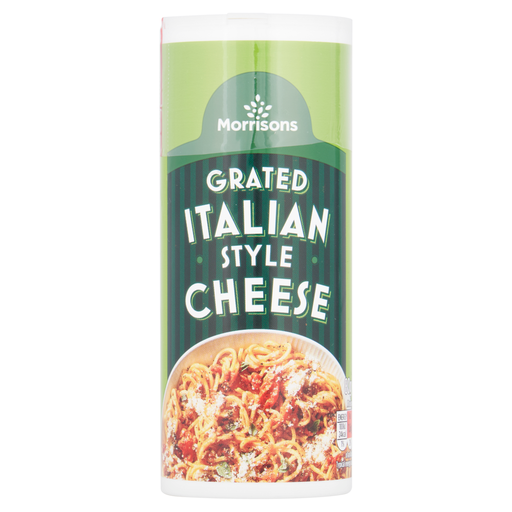
This grated Italian-style cheese is an option to consider for a small quantity of cooked food. If your snack specifically calls for hard cheddar, confirm the cheese type before choosing it.
 No image available
The 80g grated format may suit a plan for a small amount of cooked food. Confirm the cheese type if hard cheddar is essential. The product information identifies raw milk and milk and egg allergens; check the current pack and whether it is suitable for the children who will eat it, particularly younger or vulnerable children. Follow the pack’s storage and after-opening instructions.
Yes, it can be used in cooked snacks such as toasties and jacket potatoes without grating a block first. Choose the flavour and pack size for the food you plan to make, and consider the cheese alongside the snack’s other ingredients.
Choose mild or medium cheddar for a gentler cheddar flavour and mature or extra-mature cheddar when you want a stronger one. The NHS notes that a stronger cheese such as mature cheddar can mean using less, but it does not establish anyone’s individual flavour preference.
Not necessarily. Waitrose & Partners describes its Essential 30% Reduced Fat Mature Grated Cheddar as having 30% less fat than its standard mature British cheddar, yet marks both saturated fat and salt as high per 30g serving. Compare those figures on the specific packs you are choosing between.
Follow the period and storage directions on the individual pack. Cited Tesco, Sainsbury’s and M&S grated-cheese listings specify refrigeration and use within 3 days of opening, so check the label before planning several days of snacks from one bag.
Check the current pack’s allergen statement before serving: the cited dairy grated-cheese products identify milk. Do not assume another cheese or alternative is suitable from its name alone; check its own ingredients and allergen information.