
24/7 Customer Support

Free returns

Same-day & Next-day Delivery

Quality Guaranteed

Unlock Your Welcome Offers: FREE Delivery | Up to 80% OFF | Free 30-day JoyPlus trial
Download the APP
A useful seasoning can turn a weekday stew, Sunday roast or bowl of noodles into a more satisfying meal. However, gravy and stock seasonings vary considerably in format, flavour, ingredients and preparation time. Choosing by packaging alone can leave you with a product that is too salty, unsuitable for your diet or poorly matched to the dish.
This guide explains the key differences between gravy granules, stock cubes, beef stock pots, soup bases and braising spice mixes, followed by practical recommendations for different UK households.
Gravy is generally designed to be served as a finished sauce, often with roast dinners, sausages, pies or mashed potatoes. Stock is more flexible: it can flavour soups, stews, sauces, rice and casseroles, but may need thickening separately.
For example, Bisto Onion Gravy Granules are prepared with boiling water to create a smooth onion gravy, while Knorr Beef Stock Cubes are intended to dissolve into cooking liquid. A stock cube may add savoury depth to a cottage pie but will not necessarily provide the same thickness as gravy granules.
Some beef-style gravy products use flavourings and vegetable ingredients rather than meat. Others contain beef fat, beef stock powder or beef extract. Always check the full ingredient list and the suitability statement rather than relying on the front label.
The supplied product information identifies Bisto Onion Gravy Granules and Morrisons Gravy Granules for Beef as suitable for vegan recipes, while Knorr Beef Stock Cubes and Knorr Rich Beef Stock Pots contain beef-derived ingredients. Recipes and manufacturing statements can change, so check the current pack before serving guests with dietary restrictions.
Concentrated seasonings are often high in salt because a small quantity is diluted into water or added to a large dish. For reference, the supplied nutrition information lists salt at 11.58g per 100g for Bisto Onion Gravy Granules, 12.59g per 100g for Bisto Best Beef Gravy Granules and 9.9g per 100ml for Kikkoman Hon Tsuyu.
Allergens also differ. Wheat, gluten, soya, celery, milk, fish and molluscs appear across the products listed here. Read the bold allergen declarations, particularly when buying Japanese soup stock or Chinese braising seasoning for a mixed household.
Choose the format that fits how you cook:
Check the stated yield. One MiShiMa Oden Soup Base 80g pouch is described as suitable for approximately 2 litres of boiling water, while a Knorr Rich Beef Stock Pot can be dissolved in 500ml of water for a stronger stock or 750ml for a lighter version.
Match the seasoning to the meal rather than buying a large pack that may only suit one recipe.
Look for clear information about vegan, vegetarian, halal and allergen suitability. Also consider how quickly the product will be used. Dry granules, cubes and spice packets are convenient for cupboard storage. Liquid products generally need refrigeration after opening.
For example, Kikkoman Hon Tsuyu contains fish, soya and wheat and should be refrigerated after opening. S&B Tasty Brown Stew Mix contains wheat, soya and celery, but its supplied description states that it contains no meat-derived ingredients. Nan De Halal Chicken Stock Seasoning is identified as halal in the supplied product information, although shoppers should still confirm the current packaging and certification details.

Why This Fits Their Persona: A practical cupboard staple for families wanting onion gravy in seconds with British favourites such as sausages, mash, pies and nut roasts.
The preparation instructions state four heaped teaspoons with 280ml of boiling water, making portioning straightforward. Its supplied description also identifies it as suitable for vegetarians and vegans.
Dry granules store conveniently and can be adjusted for a thicker consistency. The ingredient list includes onion powder and dried onion.
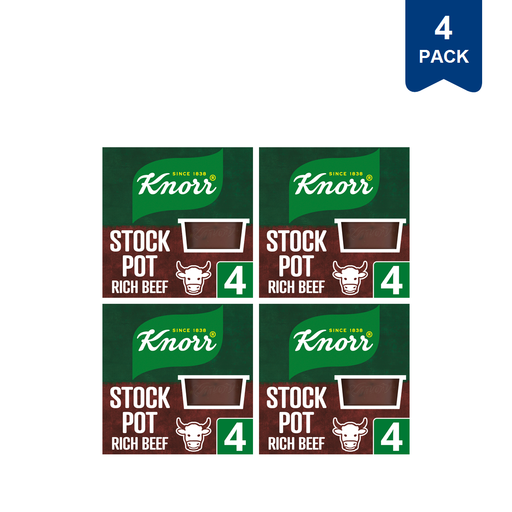
Why This Fits Their Persona: Suitable for cooks who want a concentrated beef stock for sauces, soups, stews and beef pies without opening a large liquid stock carton.
The pack gives specific dilution guidance: 500ml for a stronger stock or 750ml for a lighter version. This helps control intensity rather than relying on vague serving claims.
Each pack contains four individual pots. The supplied information lists it as gluten-free and suitable for direct addition to dishes or dilution.
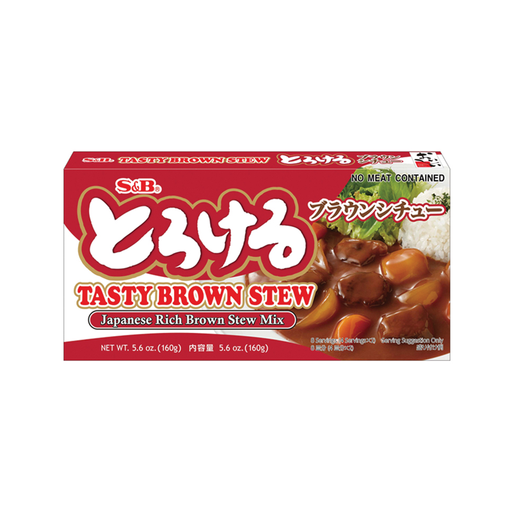
Why This Fits Their Persona: A meat-free brown stew base for vegetable stews, gratins, pies and sauces, with a format suited to batch cooking.
The supplied description states that it contains no meat-derived ingredients. It is still important to check the label because it contains wheat, soya and celery.
The 160g pack is divided into blocks and is described as making up to eight servings. Preparation includes simmering the base with one litre of water.
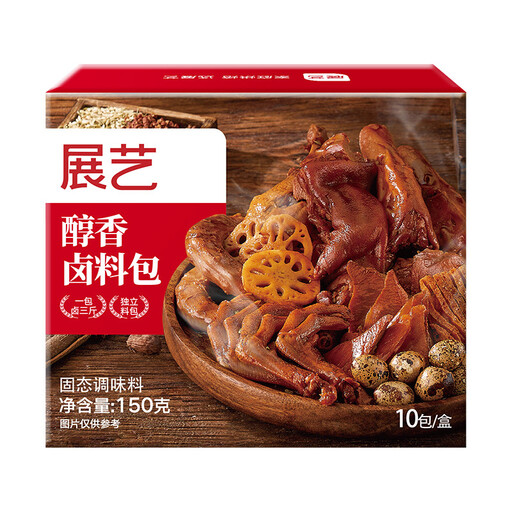
Why This Fits Their Persona: Designed for cooks preparing braised meat, tofu, eggs or vegetables and looking for a Chinese-style aromatic cooking liquid.
The instructions specify one sachet for approximately 1–1.5 litres of water and a 30–60-minute simmer, so it is clearly intended for slow braising rather than instant gravy.
The blend includes star anise, cinnamon, Sichuan pepper, dried orange peel and bay leaf. The 150g pack is suitable for repeated cooking.
We have compiled a complete, real-time list of products that fully satisfy these strict selection criteria and UK safety regulations.
For a classic roast, Schwartz Roast Turkey Gravy Mix uses sage and thyme and is prepared with approximately 300ml of water. For beef-style meals without meat ingredients, Bisto Reduced Salt Beef Gravy Granules and Morrisons’ vegan gravy granules are worth comparing, while checking their wheat and soya declarations.
For Japanese cooking, MiShiMa Oden Soup Base suits oden, udon and hot pots. Kikkoman Hon Tsuyu is a concentrated fish-based soup stock for noodle broth, dipping sauce and simmered dishes. For Chinese recipes, Yunshanban, Wangshouyi and Hao Ren Jia offer different combinations of spices for braising meat, tofu, eggs and other ingredients.
Gravy granules are designed to create a thickened sauce after mixing with hot water. Stock cubes are concentrated flavouring intended for cooking liquid and usually produce a thinner broth unless combined with other thickening ingredients.
Keep dry granules, cubes, sachets and spice mixes sealed in a cool, dry cupboard. Refrigerate liquid concentrates after opening and follow the label’s use-by or best-before guidance. If a dry product has absorbed moisture or changed noticeably in smell or texture, replace it.
Yes, but the results depend on the format. Beef stock pots and cubes can usually be added to soups, stews, sauces and casseroles. Gravy granules are more suitable as a finishing sauce, while braising spice mixes and Japanese soup bases are designed around specific cooking styles and dilution ratios.