Evening drinkers reducing caffeine
If caffeine is a consideration after dinner, look for green tea explicitly labelled decaffeinated rather than assuming ordinary green tea is caffeine-free.


For an after-dinner green tea, choose a product explicitly labelled decaffeinated if reducing caffeine matters; choose plain or flavoured tea according to the cup you want, and check the brewing directions for the exact pack. If “green tea jar” means tea supplied in a jar rather than a separate storage container, confirm the contents and packaging before buying: a pack of tea bags is not necessarily a jar.
The useful starting point for an after-dinner cup is whether caffeine, flavour or the way you make the tea matters most.
If caffeine is a consideration after dinner, look for green tea explicitly labelled decaffeinated rather than assuming ordinary green tea is caffeine-free.
Mint, lemon and jasmine offer different choices from an unflavoured green tea. Check the ingredients to see what is in the particular blend.
If you enjoy following specific brewing directions or want organic and Fairtrade claims, compare the format and the statements on the exact product rather than the brand name alone.
Decide on caffeine and flavour first, then check the pack format and brewing instructions. Those details distinguish an after-dinner tea from a search for a storage jar.
| Priority | What to check | Your needs |
|---|---|---|
| Caffeine | Look for an explicit decaffeinated label. Twinings describes its Pure Green Decaffeinated tea as decaffeinated to 0.02% caffeine; that statement is not a caffeine amount per brewed cup. | I want to reduce caffeine in my after-dinner drink, so I would choose an explicitly decaffeinated product rather than an ordinary green tea. |
| Flavour | Compare the ingredient lists for plain tea and blends. Pukka lists mint, sencha and matcha in Mint Matcha Green; a blend is not the same as 100% green tea. | A plain cup appeals to me, or I would rather have a particular added flavour with dinner. |
| Brewing | Follow the directions for the chosen pack. Clipper advises cooling boiled water for its pure green tea; Teapigs specifies 80°C water and a 3-minute brew for Mao Feng tea temples. | If I want to make a quick cup, I will check the teabag instructions. I am happy to follow more specific directions if I choose tea temples or loose tea. |
| Sourcing | Read claims on the exact pack. Clipper describes its Organic Fairtrade Pure Green Tea as containing organic pure green tea traded in compliance with Fairtrade standards. | Organic ingredients or Fairtrade sourcing matter to me, so I want those statements to apply to the product I buy. |
| Pack format | Check whether the listing is for tea bags, wrapped envelopes, tea temples, loose tea or a storage container. Confirm the contents if you specifically want tea sold in a jar. | Am I buying tea to drink, or a jar to store it in? The distinction matters more to me than the search term on its own. |
Standard green tea naturally contains caffeine, so its name alone does not identify it as a reduced-caffeine choice.
If reducing caffeine matters, choose a product explicitly labelled decaffeinated and check its product information.
Mint or matcha blends contain different ingredients from a product listing only green tea, which changes the flavour choice.
Read the ingredients and choose plain tea or a blend according to the flavours you want.
Instructions differ: Clipper advises cooling boiled water for its pure green tea, while Teapigs specifies 80°C water for Mao Feng tea temples.
Check the water-temperature and infusion directions on the product you choose.
Tea bags, envelopes, tea temples and loose tea describe what you will brew, not necessarily the container you want for storage.
If a jar is essential, confirm whether the listing includes tea in a jar or is for a separate empty container.
These examples illustrate product formats and claims to compare; a feature of one named tea should not be assumed to apply across its brand’s range.
Its range includes pure, flavoured and decaffeinated green teas.
Its named pure and decaffeinated green teas provide options for shoppers checking product-level organic and Fairtrade statements.
Mint Matcha Green is a green-tea blend for shoppers who want added mint flavour.
Mao Feng offers a tea-temple or loose-tea route for shoppers who want to follow a more specific brewing method.
Tesco’s green-tea range includes own-label plain and lemon-flavoured 20-pack listings.
Yogi Tea identifies green tea among the types in its wider tea range.
These are green-tea bag options for an after-dinner cup, including decaffeinated, flavoured, roasted and plain teas. If you need a jar, check each listing’s packaging separately.
 No image available
A decaffeinated green-tea bag option if reducing caffeine after dinner is your priority. The pack contains 50 tea bags; decaffeinated does not mean caffeine-free.
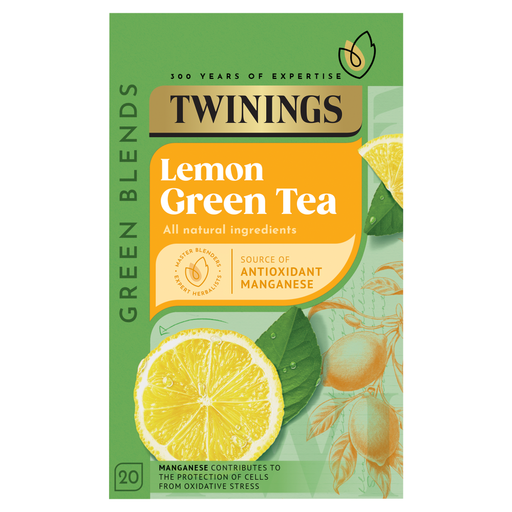 No image available
A lemon-flavoured green tea for someone who would rather have an added flavour than a plain cup. It is a 20-pack; check its caffeine information if you are limiting caffeine.
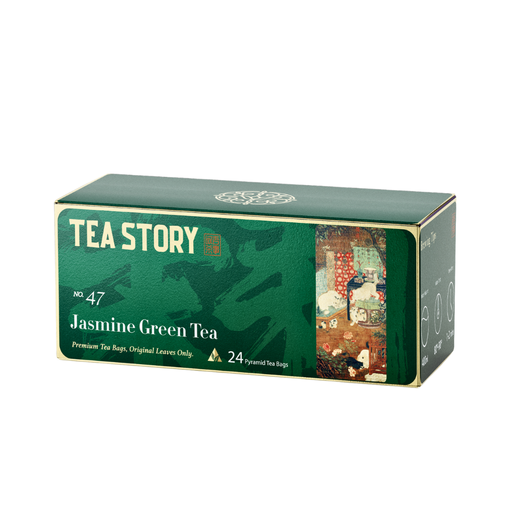 No image available
Choose this jasmine green tea if a floral flavour appeals. The pack contains 24 tea bags of 2g each; do not treat its unquantified low-caffeine wording as a caffeine amount.
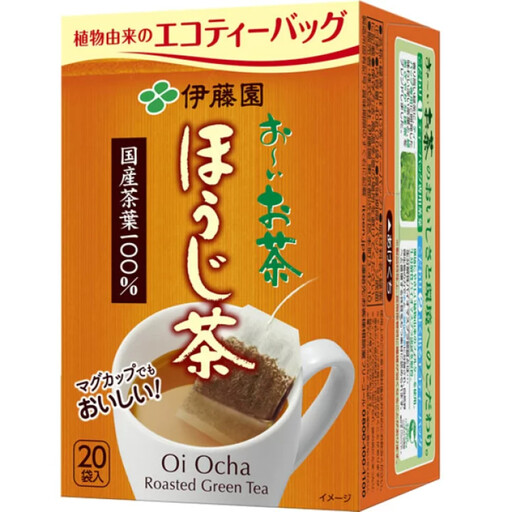 No image available
A roasted green-tea option if that flavour profile appeals after dinner. The pack contains 20 portions of 1.8g; check product-specific caffeine information if it matters to your choice.
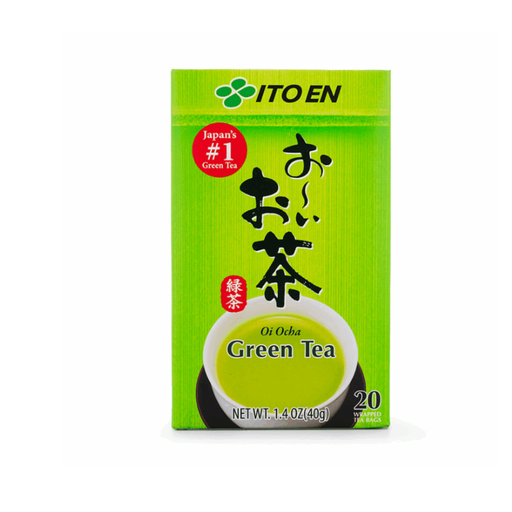 No image available
A plain green-tea bag option if you do not want an added flavour. The pack contains 20 tea bags; do not assume standard green tea is decaffeinated.
No. Standard green tea naturally contains caffeine. Twinings estimates around 30–40mg per 200ml cup for its green tea, but the amount in a cup can vary with brewing; look for an explicitly decaffeinated product if reducing caffeine matters.
Choose explicitly decaffeinated green tea if reducing caffeine is the main consideration. Otherwise, choose plain tea for an unflavoured cup, a blend for a specified added flavour, or loose tea if you want to follow its preparation directions.
No. Follow the directions for your pack: Clipper advises cooling boiled water for a minute and infusing its pure green tea for 1–3 minutes, while Teapigs specifies 80°C water and a 3-minute brew for Mao Feng tea temples.