Everyday green-tea drinkers
If you want a straightforward cup for a regular afternoon break, start by deciding whether you prefer the taste of plain green tea or a named flavour such as lemon.


Choose pure green tea when you want the tea leaf to define your afternoon cup; choose jasmine for floral notes or lemon for a citrus flavour. Matcha-containing blends offer another flavour direction. If you want to reduce caffeine, look for a product explicitly labelled decaffeinated, and follow the brewing instructions for the tea you buy.
If you want a straightforward cup for a regular afternoon break, start by deciding whether you prefer the taste of plain green tea or a named flavour such as lemon.
Jasmine offers a floral direction, lemon a citrus one, and matcha-containing blends another option. Check the individual ingredients: the words “green tea” do not describe every blend in the same way.
Choose a tea explicitly labelled decaffeinated if reducing caffeine is important to you. Tea can contribute to daily caffeine intake; NHS guidance says pregnant or breastfeeding people should have no more than 200 mg of caffeine a day in total.
Decide on the flavour you want, then check the particular tea’s ingredients, caffeine labelling and brewing directions.
| Priority | What to check | Your needs |
|---|---|---|
| Flavour | Compare pure green tea with jasmine-scented, lemon-flavoured and matcha-containing blends. Check the ingredients for the particular product rather than relying on its category name. | I want the tea leaf itself to come through, or I would rather have a recognisable floral or citrus note. |
| Brewing | Read the water-temperature and infusion-time directions. Teapigs specifies 80°C water and three minutes for Mao Feng; Twinings specifies three minutes in 200 ml of freshly boiled water for its Green Tea & Lemon. | If I make tea during a short break, I want to know what preparation the blend calls for before choosing it. |
| Caffeine | Look for an explicit decaffeinated label when reducing caffeine. Account for caffeine from other drinks and foods where a daily limit applies; the NHS advises a total of no more than 200 mg a day during pregnancy and breastfeeding. | An afternoon cup needs to fit with how much caffeine I intend to consume across the day. |
| Ingredients | Read the current pack’s full ingredient and allergen information, particularly for flavoured or botanical blends. Clipper lists its Pure Green Tea as 100% green tea, while Twinings lists flavourings in its Green Tea & Lemon. | I may want plain tea without added flavourings, or need to check a blend for an ingredient I avoid. |
| Format | Check whether the product is bagged or loose leaf and how many servings the pack contains. Check its brewing directions alongside the format. | Tea bags may fit my usual afternoon routine, while a preparation with more specific instructions may suit a break when I have time to follow them. |
Pure green tea, jasmine-scented tea, lemon-flavoured tea and matcha-containing blends take different flavour routes.
Decide whether you want plain leaf flavour, floral aroma, citrus or matcha, then check the ingredients of the blend you are considering.
Product directions differ: Teapigs specifies 80°C water for Mao Feng and Jasmine Pearls, while Twinings gives freshly boiled water and a three-minute infusion for its Green Tea & Lemon.
Use the directions on your chosen pack as a starting point rather than assuming one water temperature suits every tea.
Green tea is not automatically decaffeinated. Caffeine from tea also counts towards daily intake where a limit applies.
Look for an explicit decaffeinated label if you want to reduce caffeine. During pregnancy, NHS guidance sets a total daily caffeine limit of 200 mg across foods and drinks.
Clipper lists its Pure Green Tea as 100% green tea; Twinings Green Tea & Lemon contains flavourings as well as tea.
Read the current pack’s ingredient and allergen information each time you change blend, especially if you avoid particular ingredients.
Twinings lists pure, decaffeinated, jasmine and lemon green-tea options in its UK range.
Teapigs lists Mao Feng, Jasmine Pearls, mint and popcorn options in its green-tea range.
Clipper lists pure green tea alongside flavoured green teas in its range.
Pukka lists green-tea blends including Supreme Matcha Green and Mint Matcha Green.
These options cover lemon, decaffeinated, jasmine, matcha genmaicha and roasted green tea. Compare their stated pack formats and check the current product details for ingredients and brewing directions that matter to you.
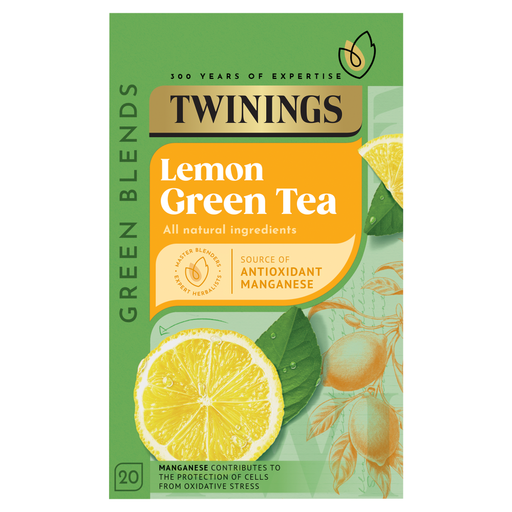 No image available
A citrus-flavoured option for an afternoon cup rather than a plain green tea. Twinings lists flavourings in this lemon blend and directs a three-minute infusion in 200 ml of freshly boiled water; check the current pack for its instructions.
 No image available
An explicitly decaffeinated choice for someone looking to reduce caffeine in an afternoon cup. The title specifies 50 tea bags and 100g; check the current pack for preparation directions and caffeine information if a particular intake limit matters.
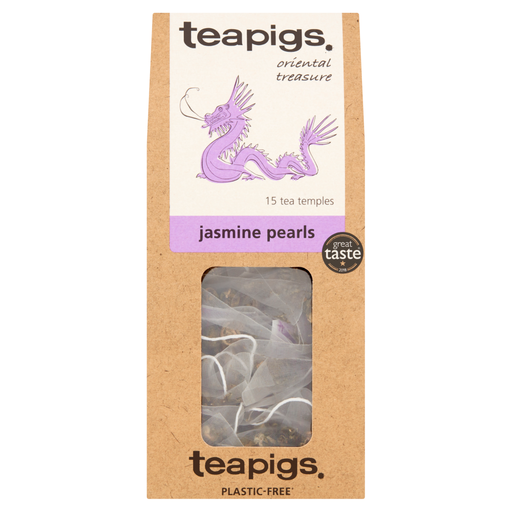 No image available
A jasmine option if you prefer a floral direction to plain green tea. The title specifies 15 tea bags; follow the directions on this pack for brewing, and check its caffeine information if needed.
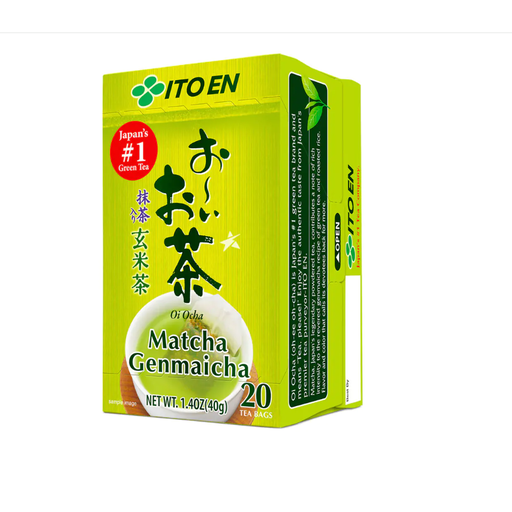 No image available
A matcha genmaicha choice rather than a plain or jasmine green tea. The title specifies 20 bags and 40g; read the current ingredients and brewing directions to decide whether this blend suits your afternoon cup.
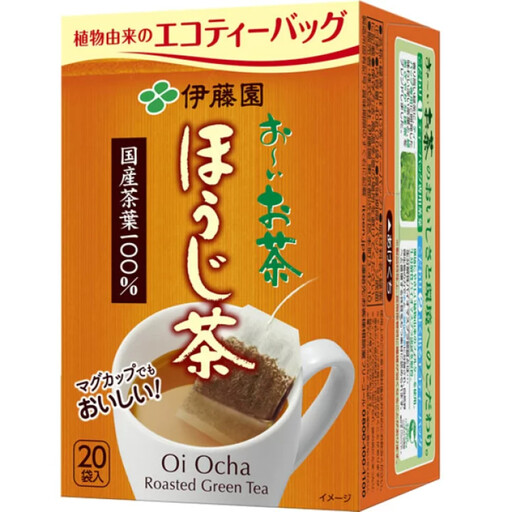 No image available
A roasted green-tea option if you want a different direction from the plain, floral and citrus blends. The title specifies 20 portions of 1.8g; check the pack’s brewing and caffeine information for your routine.
Try a pure green tea if you want to taste the tea leaf without added flavourings; Clipper lists its Pure Green Tea as 100% green tea. If you already know you prefer floral or citrus notes, compare a jasmine-scented or lemon-flavoured blend instead.
No single brewing instruction covers every product. Teapigs specifies 80°C water and three minutes for Mao Feng, while Twinings directs three minutes in 200 ml of freshly boiled water for its Green Tea & Lemon; start with the directions on your chosen pack.
Do not assume it is. Teapigs describes its Jasmine Pearls as naturally containing caffeine, while Twinings separately lists a Pure Green Decaffeinated product. Look for an explicit decaffeinated label if you want to reduce caffeine.
Tea can contribute to caffeine intake, and NHS pregnancy guidance says to have no more than 200 mg of caffeine a day in total. Check the tea’s caffeine information alongside other sources you consume; seek individual clinical advice if you need it.
Read the current pack’s full ingredient and allergen information rather than assuming a flavoured tea contains only green tea. For example, Twinings lists flavourings in its Green Tea & Lemon, whereas Clipper lists its Pure Green Tea as 100% green tea.