A large box of regular green tea makes more sense for daytime use than for a drink close to bed: green tea contains caffeine, and NHS Borders advises avoiding caffeinated drinks at bedtime. If avoiding caffeine is the priority, consider a caffeine-free herbal infusion; if keeping green-tea flavour matters more, decaffeinated green tea offers a different route, but its label should not be read as a caffeine-free claim. Check the tea type as well as the count, because a 240-bag box can contain black tea rather than green tea.
Who is this choice for?
The deciding question is whether the drink needs to be green tea, free from caffeine or available in a large pack. Those requirements do not necessarily point to the same product.
People avoiding caffeine near bedtime
If you want a hot drink close to bed, caffeine status matters more than the size of the box. NHS Borders advises avoiding caffeinated drinks at bedtime; a herbal tea explicitly labelled caffeine-free is a different choice from regular green tea.
Green-tea drinkers changing their evening routine
If you want to keep green-tea flavour while reducing caffeine, compare decaffeinated green teas and read their current labels. Decaffeinated does not, by itself, establish that a drink is caffeine-free.
Households and workplaces buying in quantity
If you will use tea regularly across a household or workplace, check whether the pack contains the tea you actually want. Tesco identifies its 240-bag pack as black tea, while Clipper lists regular green tea in a 250-envelope format.
What should you check before buying?
Decide when the tea will be drunk, then check its caffeine description and tea type. Compare pack counts only after those requirements are clear.
| Priority |
What to check |
Your needs |
| Caffeine at bedtime |
Check whether the pack says regular green tea, decaffeinated green tea or caffeine-free herbal tea. Twinings estimates around 30–40 mg of caffeine per cup of its green tea; that figure should not be applied to every product. |
I want a hot drink close to bed without choosing a caffeinated tea. NHS Borders advises avoiding caffeinated drinks at bedtime. |
| Tea type and flavour |
Read the product name and ingredients. Clipper identifies its 40-bag decaffeinated product as green tea, while Pukka describes its herbal range as caffeine-free. Check a decaffeinated tea’s current caffeine statement if you need to avoid caffeine entirely. |
I would prefer to keep green-tea flavour, but I may choose a herbal infusion if caffeine-free status matters more. |
| Pack size |
Check both the bag count and tea type: Tesco’s 240-bag pack is black tea, and Clipper lists regular green tea in 250 envelopes. For a large pack, also follow its storage instructions after opening. |
I need enough tea for regular use, but a large count is useful only if the tea suits when it will be drunk. |
Common buying mistakes
-
Assuming green tea is automatically a bedtime tea
Regular green tea contains caffeine. Twinings estimates around 30–40 mg per cup of its green tea, and NHS Borders advises avoiding caffeinated drinks at bedtime.
If you drink tea close to bed and want to avoid caffeine, check for an explicit caffeine-free description rather than judging by how mild a tea seems.
-
Choosing by bag count alone
Tesco’s 240-bag tea pack contains black tea, so its count does not make it a match for someone seeking green tea.
Check the front-of-pack tea type, ingredients, caffeine description and count before committing to a large box.
A bulk pack that does not suit its intended use leaves more tea to store or use elsewhere.
-
Reading ‘decaffeinated’ as ‘caffeine-free’
Clipper describes its 40-bag green tea as decaffeinated; Pukka separately describes its herbal teas as caffeine-free. The two descriptions do not make the same claim.
If complete caffeine avoidance is your requirement, check the current pack for an explicit caffeine-free statement.
-
Treating bedtime branding as a sleep treatment
A herbal tea marketed for bedtime is still a drink, not evidence that it will treat a sleep problem.
Choose it for its stated ingredients, flavour and caffeine status. Seek professional advice about persistent sleep problems rather than relying on a tea’s marketing claims.
Brand references
These brand ranges illustrate different tea types and pack sizes; they do not establish which products are currently available through Joybuy.
Twinings
A reference for comparing regular green tea with a decaffeinated green-tea option.
- Twinings estimates around 30–40 mg of caffeine per cup of its green tea.
- Its listed Pure Green Decaffeinated format has 20 bags, rather than the requested 240.
Clipper
Offers a decaffeinated green tea in 40 bags and lists regular Pure Green Tea in 250 envelopes.
- The 40-bag decaffeinated product lists decaffeinated organically grown green tea as its ingredient.
- The larger 250-envelope green-tea option is regular green tea, not the decaffeinated 40-bag product.
Pukka
A reference for herbal tea when a caffeine-free evening drink matters more than green-tea flavour.
- Pukka describes its herbal tea range as naturally caffeine-free and lists Night Time in 20- and 40-bag formats.
- Night Time is herbal tea rather than green tea; bedtime branding is not evidence of a sleep-treatment effect.
Tesco
A useful example of why a large tea pack’s contents need checking alongside its count.
- Tesco identifies a 240-bag pack as black tea and lists smaller green-tea products, including 80-bag formats.
- The 240-bag black-tea pack does not meet a green-tea requirement.
Joybuy options for an evening drink
These options cover smaller caffeine-free herbal infusions and green teas for shoppers considering an evening drink. None of the listed packs is a 240-bag box, so choose by tea type and caffeine description before comparing quantity.
 No image available
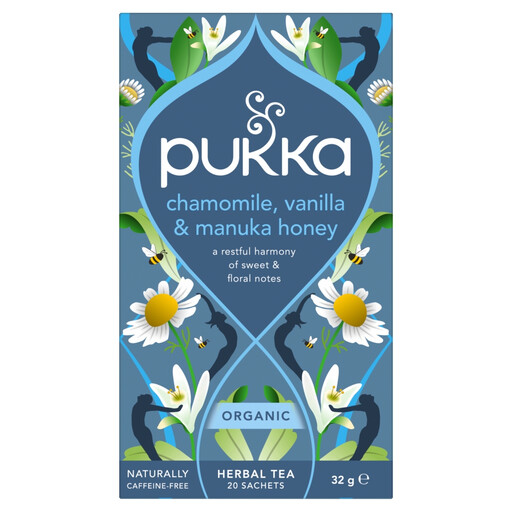
Pukka Chamomile Vanilla & Manuka Honey, 20 sachets, 32 g
For an evening drink when herbal tea is an acceptable alternative to green tea, the product description calls this infusion caffeine-free. The pack contains 20 sachets, not a bulk supply. Check the ingredients if you have an allergy to plants in the chamomile family; the product information also advises seeking professional advice if pregnant or experiencing health concerns.
View on Joybuy
 No image available
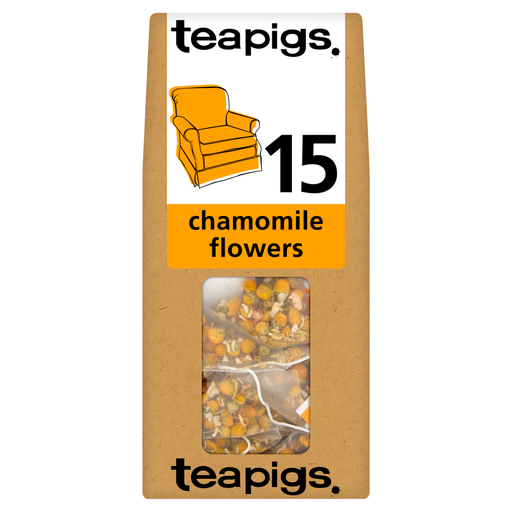
Teapigs Chamomile Flowers, 15 tea bags, 180 g
This is a chamomile infusion rather than green tea, and its product description calls it caffeine-free. With 15 tea bags, it suits a smaller-pack choice rather than the roughly 240-bag quantity in question. Bedtime positioning should not be taken as a claim that the tea treats sleep problems.
View on Joybuy
 No image available
Tetley Decaffeinated Green Tea, 50 bags, 100 g
This keeps the choice within green tea while offering a decaffeinated option in a 50-bag pack. Decaffeinated does not establish caffeine-free status: check the current label if avoiding caffeine entirely is important. The pack is also well below the proposed 240-bag quantity.
View on Joybuy
 No image available
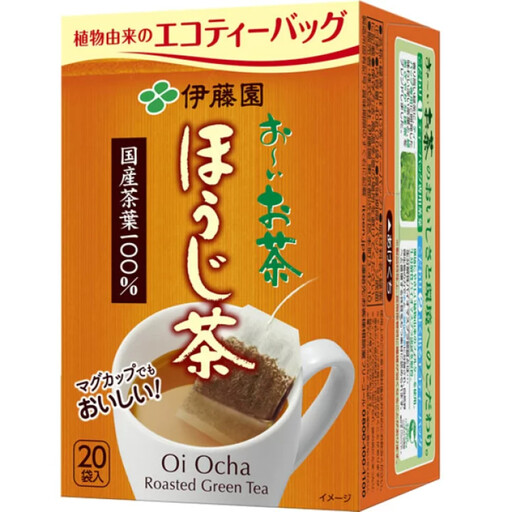
Itoen Oi Ocha Hojicha Premium Roasted Green Tea, 20 × 1.8 g
This is a smaller-pack roasted green tea for someone who wants green tea rather than a herbal infusion. Its description makes a low-caffeine claim, but that is not a caffeine-free claim; check the current label if the amount of caffeine affects your bedtime choice. It is not a substitute for a 240-bag supply.
View on Joybuy
Questions about tea for bedtime
Is regular green tea suitable close to bedtime?
Regular green tea is not the straightforward choice if you are avoiding caffeine close to bed. Twinings estimates around 30–40 mg of caffeine per cup of its green tea, and NHS Borders advises avoiding caffeinated drinks at bedtime. If you still want green tea, compare decaffeinated options and their current labels.
Is decaffeinated green tea the same as caffeine-free herbal tea?
No. Clipper describes its 40-bag green tea as decaffeinated, while Pukka describes its herbal range as naturally caffeine-free. If you need to avoid caffeine entirely, look for an explicit caffeine-free statement on the current pack rather than assuming ‘decaffeinated’ means none.
Does a 240-bag tea box contain green tea?
Not necessarily: Tesco identifies its 240-bag pack as black tea. Clipper lists regular Pure Green Tea in 250 envelopes, which is a different count and tea type from a caffeine-free bedtime infusion. Check the product name and pack label before buying, as ranges can change.
How should I store a large tea pack after opening?
Follow the instructions on the individual pack. For its 240-bag tea product, Tesco advises a cool, dry place and an airtight container after opening; check whether a different product gives different instructions.


