For a hot drink close to bedtime, ordinary green tea is a poor fit if you want to avoid caffeine: Twinings says green tea naturally contains caffeine, and NHS Borders advises avoiding caffeinated hot drinks before bed. Decaffeinated green tea retains the green-tea choice but may contain traces of caffeine; if avoiding caffeine is the priority, look for a herbal infusion explicitly labelled caffeine-free. A jar changes the packaging, not the drink’s caffeine status.
Who is this choice for?
Green-tea drinkers avoiding late caffeine
If you enjoy ordinary green tea but drink it near bedtime, caffeine is the deciding factor. Twinings says green tea naturally contains caffeine, while NHS Borders advises avoiding caffeinated hot drinks before bed.
Shoppers who want green-tea flavour with less caffeine
Decaffeinated green tea keeps green tea as the starting point. Check the exact product label if traces of caffeine matter to you: Twinings notes that decaffeinated tea is not necessarily caffeine-free.
Shoppers prioritising a caffeine-free evening drink
A herbal infusion explicitly labelled caffeine-free offers a different route, provided you are happy to switch away from green-tea flavour. Pukka and Teapigs identify caffeine-free herbal options.
What should you check before buying?
Ordinary green tea
Consider it when: Your drink is earlier in the day or avoiding caffeine is not your aim.
Trade-off: Twinings says green tea naturally contains caffeine, so it does not meet a caffeine-avoidance aim near bedtime.
Decaffeinated green tea
Consider it when: You want green tea rather than a herbal infusion, with reduced caffeine.
Trade-off: Twinings notes that decaffeinated tea can retain traces of caffeine.
Caffeine-free herbal infusion
Consider it when: Avoiding caffeine matters more than keeping a green-tea flavour.
Trade-off: A herbal blend has different ingredients and flavour; bedtime wording is not evidence that it treats sleep problems.
| Priority |
What to check |
Your needs |
| Caffeine |
Read the exact product’s caffeine description. Distinguish ordinary green tea, decaffeinated green tea and a blend labelled caffeine-free. |
I drink tea close to bedtime and want to avoid caffeine. NHS Borders advises avoiding caffeinated hot drinks before bed. |
| Green-tea flavour |
Check that the product is decaffeinated green tea, rather than a herbal blend. Twinings notes that decaffeinated tea may retain traces of caffeine. |
I would like to keep drinking green tea, but reduce its caffeine rather than switch to a different flavour. |
| Ingredients |
Read the ingredients of the exact blend, especially in a collection with several recipes. Check the pack for ingredients relevant to an allergy or dietary restriction. |
A caffeine-free drink still needs to be a flavour I want, with ingredients I can use. |
| Packaging |
Check the product name and label for caffeine status; do not infer it from a jar, box, sachet or tea bag. Check the pack format and quantity separately. |
I may want a jar, but I would choose the tea type before choosing its container. |
Common buying mistakes
-
Assuming green tea has no caffeine
Twinings says green tea naturally contains caffeine. NHS Borders advises avoiding caffeinated hot drinks before bed, so an ordinary green tea may not fit a late caffeine-avoidance routine.
Check whether the drink is ordinary green tea, decaffeinated green tea or an infusion labelled caffeine-free before choosing a format or flavour.
-
Reading “decaf” as “caffeine-free”
Twinings notes that decaffeinated tea can retain minor traces of caffeine. A decaf label therefore does not establish zero caffeine.
If you need to avoid caffeine, check the exact pack and consider an infusion explicitly labelled caffeine-free instead.
-
Expecting a bedtime blend to treat sleep problems
A blend’s name or evening-themed description does not establish a treatment effect. Its caffeine status, ingredients and flavour are separate buying considerations.
Choose the drink on those stated characteristics, not on an expectation that it will treat insomnia.
-
Skipping the ingredients on the pack
Different herbal blends can contain different ingredients, including within a collection. A general product description is not a substitute for checking the exact blend you will use.
Read the pack’s ingredient and allergen information before buying if an allergy or dietary restriction matters to you.
Brand and retailer references
These examples show how tea types are described; a brand’s inclusion does not mean every product it makes has the same caffeine status.
Twinings
Twinings describes both ordinary and decaffeinated green tea, giving shoppers a way to compare those two tea types.
- Twinings says its ordinary green tea naturally contains caffeine.
- Twinings notes that its decaffeinated tea can retain minor traces of caffeine; check the individual product rather than treating decaf as caffeine-free.
Clipper
Clipper lists an organic, Fairtrade decaffeinated green tea for shoppers who want to retain green tea.
- Clipper lists decaffeinated organically grown green tea as the ingredient in its Decaf Green Tea.
- Its decaffeinated description does not establish that the tea is caffeine-free.
Pukka
Pukka identifies caffeine-free herbal teas, including its Night Time blend, as alternatives to green tea.
- Pukka describes Night Time as a herbal blend with ingredients including chamomile, lavender and valerian.
- Its bedtime positioning is not evidence that the blend treats a sleep condition.
Teapigs
Teapigs identifies its Chamomille Lullaby herbal blend as naturally caffeine-free.
- Teapigs lists chamomile, lemon verbena, passionflower, cocoa husk and reishi mushroom in that blend.
- Chamomille Lullaby is a herbal blend, not green tea; its bedtime description does not establish a treatment effect.
Tesco
Tesco is a retailer reference for distinguishing decaf green tea listings from fruit and herbal tea listings.
- Its tea categories distinguish decaf green tea bags from decaf fruit and herbal tea.
- A retailer category does not determine the caffeine status or ingredients of every product within it; check the exact listing and pack.
Joybuy options for an evening drink
These options include decaffeinated green tea and herbal or fruit infusions for shoppers considering an evening drink. They are tea bags or sachets rather than jars; check each pack’s caffeine wording before choosing.
 No image available
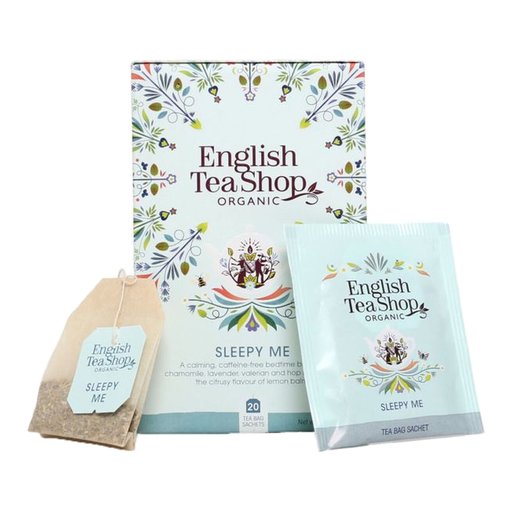
English Tea Shop Organic Sleepy Me, 20 tea-bag sachets, 30g
Consider this if you want a herbal evening drink rather than green tea. Check the exact pack’s caffeine statement and ingredients; the format is sachets, not a jar.
View on Joybuy
 No image available
Tetley Decaffeinated Green Tea, 50 tea bags, 100g
This keeps green tea in the evening-drink choice. Decaffeinated does not mean caffeine-free, so check the exact pack if avoiding caffeine completely matters to you.
View on Joybuy
 No image available
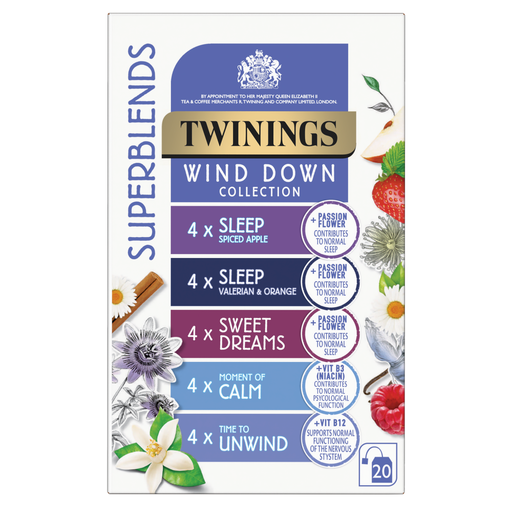
Twinings Superblends Wind Down Collection, 20 tea bags, 33.2g
A collection offers a choice of infusions rather than one green tea. Check the caffeine wording and ingredients for the individual blend you select; “Wind Down” is not a treatment claim.
View on Joybuy
 No image available
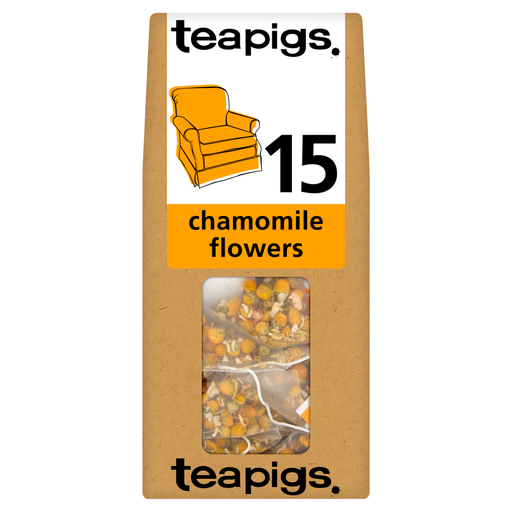
Teapigs Chamomile Flowers, 15 tea bags, 180g
Choose this format if you want a chamomile infusion instead of green tea. Check the exact pack’s caffeine and ingredient information, particularly if chamomile is relevant to an allergy.
View on Joybuy
 No image available
Pukka Chamomile Vanilla & Manuka Honey, 20 herbal tea sachets, 32g
This is a chamomile herbal option rather than green tea. Check the pack’s caffeine statement and full ingredients if you are choosing it for an evening drink or have a dietary restriction.
View on Joybuy
Questions about bedtime tea
Is ordinary green tea a suitable bedtime drink?
Not if your aim is to avoid caffeine close to bed. Twinings says green tea naturally contains caffeine, and NHS Borders advises avoiding caffeinated hot drinks before bedtime. Decaffeinated green tea or an infusion labelled caffeine-free addresses a different caffeine preference.
Does decaffeinated green tea contain no caffeine?
Not necessarily. Twinings says decaffeinated tea can retain minor traces of caffeine. Check the exact pack rather than assuming that “decaf” means caffeine-free.
Does a jar make green tea more suitable for bedtime?
No. A jar describes the packaging, not whether its contents contain caffeine. Read the product’s tea type and caffeine description before comparing containers or pack sizes.
Can a “night time” tea treat insomnia?
A bedtime name does not establish that a tea treats insomnia. Choose an infusion by its stated caffeine status, ingredients and flavour rather than expecting a treatment effect.
What should I check if ingredients matter to me?
Read the ingredient and allergen information on the exact pack you intend to buy. For a collection, check the individual blend as well as the outer pack, since the recipes can differ.


