Who is each option for?

Green-tea drinkers avoiding late caffeine

If you want green tea in the evening, decaf retains the tea-leaf route while reducing caffeine. It is not the same as a caffeine-free drink; the NHS advises avoiding caffeine late in the day when sleep is a concern.

Shoppers open to a herbal drink

If a hot drink matters more than green-tea flavour, an infusion made without tea leaves offers a different route. Check the particular blend’s ingredients rather than assuming every bedtime blend is suitable for you.

Shoppers seeking a fuller flavour

If flavour strength is your priority, do not use a longer brew of regular green tea as a way to make a low-caffeine bedtime drink. Twinings says longer brewing increases caffeine extraction; compare stated flavour profiles separately from caffeine wording.

What matters when choosing?

Regular green tea

Consider it: When you want regular green tea and will drink it earlier rather than close to bed.

Trade-off: It contains caffeine, and a longer brew extracts more, according to Twinings.

Decaf green tea

Consider it: When keeping a green-tea drink matters and you want less caffeine.

Trade-off: Decaf can retain traces of caffeine; check the flavour description rather than expecting a strong taste.

Herbal infusion

Consider it: When avoiding tea-derived caffeine matters more than green-tea flavour.

Trade-off: It is not green tea, and a blend’s botanical ingredients may require an individual suitability check.

PriorityWhat to checkYour needs
Late caffeine Check whether the pack says regular green tea, decaf green tea or herbal infusion. Check brewing directions too: Twinings says longer brewing extracts more caffeine from tea. I want a drink close to bedtime without adding regular green tea’s caffeine. The NHS advises avoiding caffeine late in the day when sleep is a concern.
Green-tea taste Look for decaffeinated green tea in the ingredients and read the stated taste profile. Clipper describes its Organic & Fairtrade Decaf Green Tea as light. Keeping a recognisable green-tea drink matters more to me than choosing a floral or herbal blend, but I do not want to assume decaf means extra-bold.
Herbal ingredients Read the full ingredients of the specific blend, including botanicals such as valerian. Seek individual advice about suitability where pregnancy, breastfeeding or medicines are relevant. I am open to a drink without green-tea leaves, provided its ingredients are appropriate for my circumstances.
Pack information Check the received pack for ingredients, allergens, caffeine wording and brewing instructions. Tesco notes that food formulations and labelling information can change. I want to know what is in the drink I will actually prepare, rather than relying only on an online description.

What should you watch for?

  • Assuming green tea is caffeine-free

    Regular green tea contains caffeine. Twinings says leaving tea to brew longer extracts more, so a stronger brew works against a low-caffeine bedtime choice.

    Read the pack to distinguish regular green tea, decaf green tea and an infusion without tea leaves; do not rely on brewing time to make regular tea caffeine-free.

  • Expecting decaf to mean strong-tasting

    Decaffeination describes caffeine reduction, not flavour intensity. Clipper describes its decaf green tea as light, while Twinings describes Pure Green Decaffeinated as mild.

    Compare stated flavour descriptions and pack sizes. If you prefer regular green tea brewed strongly, consider having it earlier rather than treating it as a low-caffeine bedtime option.

  • Assuming every bedtime blend suits everyone

    Blends can contain several botanicals: Pukka lists valerian among the ingredients of Night Time. NHS guidance cautions that herbal medicines are not suitable for everybody, including in some circumstances involving pregnancy, breastfeeding or medicines.

    Read the complete blend ingredients and ask a pharmacist, midwife or clinician for individual advice if those circumstances apply.

  • Relying only on the online description

    Tesco advises that food ingredients and allergen information can change when products are reformulated.

    Check the label on the pack you receive, particularly its ingredients, allergens and caffeine or decaf wording.

Relevant brand references

Twinings

Twinings lists Pure Green Decaffeinated for shoppers who want green tea with caffeine reduced.

  • Twinings describes this tea’s flavour as mild.
  • Decaf does not mean zero caffeine, and a mild description does not establish an extra-bold taste.

Clipper

Clipper identifies its Organic & Fairtrade Decaf Green Tea as containing decaffeinated organically grown green tea.

  • The stated ingredients identify it as green tea rather than a herbal substitute.
  • Clipper describes its flavour as light, not extra-bold.

Pukka

Pukka presents Night Time as a bedtime herbal blend, not a green tea.

  • Pukka lists chamomile, lavender, limeflower, oatflower, valerian and tulsi in the blend.
  • Check botanical ingredients for individual suitability; bedtime positioning is not evidence of an effect on sleep.

Tesco

Tesco’s product information provides a reference for checking the identity and labelling of listed decaf green tea.

  • Its Twinings decaf green-tea listing identifies the product as decaffeinated green tea.
  • Tesco advises checking the physical pack because ingredients and allergen information may change.

Joybuy options for an evening drink

These options include herbal infusions for shoppers open to moving away from green tea, plus a decaffeinated green tea for those who want to keep a tea-leaf drink. Their names and stated flavour descriptions should not be taken as evidence of an extra-bold taste.
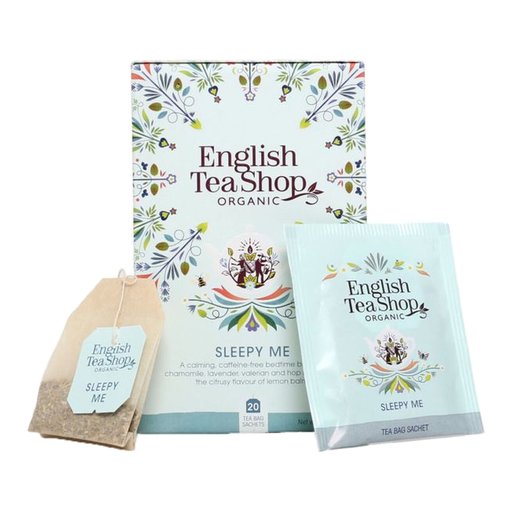
English Tea Shop Organic Sleepy Me tea bag sachets

English Tea Shop Organic Sleepy Me, 20 tea bag sachets, 30g

An evening herbal option rather than green tea; its product information describes it as caffeine-free. The described blend includes valerian, so check the pack ingredients and seek individual advice if you are pregnant, breastfeeding or taking medicines.

Joybuy
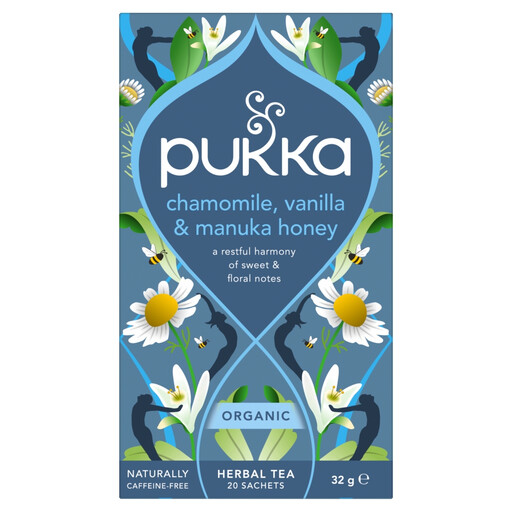
Pukka Chamomile Vanilla and Manuka Honey herbal tea sachets

Pukka Chamomile Vanilla & Manuka Honey, 20 herbal tea sachets, 32g

A herbal alternative if you prefer the named chamomile, vanilla and Manuka honey flavour profile to green tea. Its product information describes the infusion as caffeine-free; check the pack ingredients for personal suitability.

Joybuy
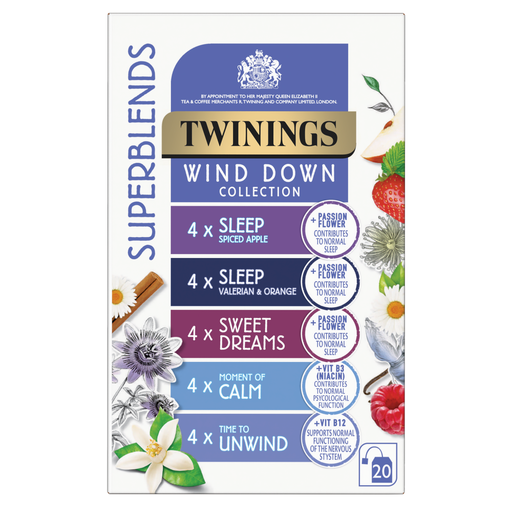
Twinings Superblends Wind Down Collection tea bags

Twinings Superblends Wind Down Collection, 20 tea bags, 33.2g

A collection of fruit and herbal blends for someone who wants several evening flavour options instead of green tea. Product information describes the infusions as naturally caffeine-free; check the ingredients of the particular blend you choose, as some contain valerian.

Joybuy
Twinings Superblends Sleep tea bags

Twinings Superblends Sleep, 20 tea bags, 30g

The title and herbal-blend description make this an evening infusion option, but the product information also includes a description of Assam tea that conflicts with that identity. Check the received pack for the actual blend, ingredients and caffeine wording before using it to meet a caffeine-avoidance need.

Joybuy
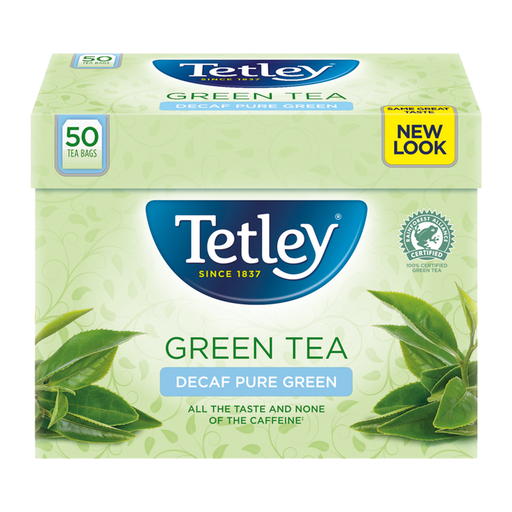
Tetley Green Tea Decaffeinated tea bags

Tetley Green Tea Decaffeinated, 50 tea bags, 100g

The green-tea option in this selection if you want to reduce caffeine without switching to a herbal infusion. Its product information describes a light taste and decaffeination to 0.2%; do not treat decaf as a promise of zero caffeine or a strong flavour.

Joybuy

Common questions

Is strong green tea a suitable drink just before bed?

Not if your aim is to avoid caffeine late in the day. Green tea contains caffeine, Twinings says longer brewing extracts more, and the NHS advises avoiding caffeine late in the day when sleep is a concern. If you want green tea in the evening, check a decaffeinated product’s pack rather than relying on a shorter brew of regular tea.

Is decaffeinated green tea completely caffeine-free?

No: decaf should not be taken to mean zero caffeine. Twinings explains that traces can remain after decaffeination, so check the particular pack if complete avoidance is important.

What if a bedtime blend contains valerian and I am pregnant, breastfeeding or taking medicines?

Check the full ingredients and seek individual advice before choosing it. Pukka lists valerian in Night Time, while NHS guidance cautions that herbal medicines may be unsuitable during pregnancy or breastfeeding and may interact with some medicines. A pharmacist, midwife or clinician can advise on your circumstances.

How much caffeine does NHS guidance allow during pregnancy?

The NHS advises no more than 200mg of caffeine a day during pregnancy, counting tea alongside other foods and drinks that contain caffeine. The amount in a cup varies, so check product information and consider all your caffeine sources rather than judging a drink by its flavour strength.