Desk-lunch drinkers open to a blend
If a cup containing black tea appeals more than a pure-green tea, Twinings lists a 70% green and 30% black blend with a three-minute brewing method.


If you mean a cup with black tea in the blend, Twinings Green Tea & Black Tea Blend is a clear choice: Twinings lists 70% green tea, 30% black tea and a three-minute brew. If you want only green tea, choose a pure-green product and follow its brewing instructions rather than assuming a longer steep will deliver the flavour you want. A green-tea bag containing matcha is another format, but it is not the same as pure matcha powder.
If a cup containing black tea appeals more than a pure-green tea, Twinings lists a 70% green and 30% black blend with a three-minute brewing method.
If ingredients matter more than a black-tea-style cup, consider a pure green tea and check how you can prepare it at your desk. Teapigs specifies 80°C water and three minutes for Mao Feng; Clipper says to let boiled water cool for one minute before a one-to-three-minute infusion.
For people with iron deficiency anaemia, University Hospitals Coventry and Warwickshire NHS Trust advises against drinking tea within one hour before or after a meal because tea with food can reduce iron absorption.
Decide what you mean by strong before comparing bags: a green-and-black blend, pure green tea and a tea containing matcha are different choices.
| Priority | What to check | Your needs |
|---|---|---|
| Tea style | Read the ingredients for black tea or a pure-green formulation. Twinings specifies a 70% green and 30% black blend; Clipper identifies its product as pure green tea. | I want to know whether a cup with black tea in it would suit me, or whether I want green tea only. |
| Desk preparation | Check the pack’s water and steeping instructions. Twinings specifies freshly boiled water and three minutes for its blend; Teapigs specifies 80°C and three minutes for Mao Feng. | A short break makes a clear brewing method useful, particularly if I cannot readily control the water temperature. |
| Matcha format | Distinguish a green-tea bag containing matcha from pure matcha powder. Pukka says Supreme Matcha Green contains 2% matcha. | If I choose a matcha-labelled tea, I want a bagged blend rather than assuming it is pure matcha. |
| Timing with lunch | For iron deficiency anaemia, University Hospitals Coventry and Warwickshire NHS Trust advises avoiding tea within one hour before or after meals because it can reduce iron absorption. | If iron absorption is a concern for me, when I drink tea alongside lunch matters as well as which tea I choose. |
Clipper describes its pure green tea as light and delicate, while Twinings’ green-and-black blend contains 30% black tea. The ingredient choice changes what kind of tea you are buying.
If black tea in the cup appeals to you, check the blend’s ingredients. If you want only green tea, choose a product labelled pure green instead.
The products give different preparation instructions. The UK Tea & Infusions Association recommends water at around 80°C for green tea, while Twinings specifies freshly boiled water for its green-and-black blend.
Follow the instructions for the product in your cup: Teapigs specifies 80°C and three minutes for Mao Feng, and Clipper says to cool boiled water for one minute before infusing its pure green tea for one to three minutes.
Pukka says matcha makes up 2% of Supreme Matcha Green. It is a green-tea blend containing matcha, not pure matcha powder.
Check the ingredients and product format if the amount of matcha or its preparation method matters to your choice.
These examples show how brands describe particular teas; they do not establish how every product from each brand will taste.
Its Green Tea & Black Tea Blend is an option when a pure-green recipe is not essential.
Supreme Matcha Green is a bagged green-tea blend containing matcha.
Mao Feng is a pure green tea in a tea-temple format.
Its Fairtrade Organic Pure Green Tea is a pure-green option in an 80-bag pack.
Tesco Green Tea is an own-label, 20-bag option for a routine grocery shop.
These options include pure-green formats, roasted green tea and bags containing matcha. Check the individual ingredients and brewing directions when choosing a cup for a short lunch break.
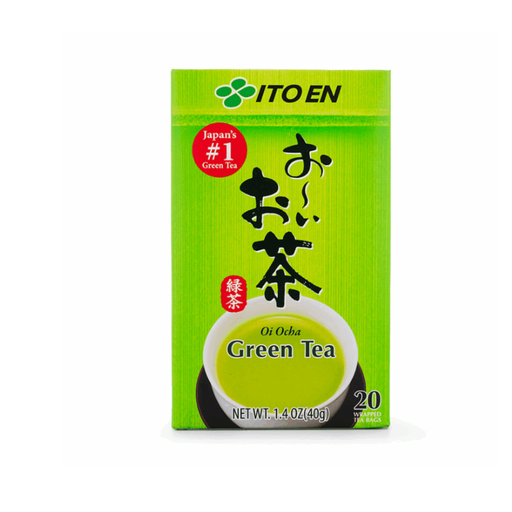 No image available
A bagged green tea for a desk cup. Its product description calls the flavour rich and bold; check the pack’s brewing directions if the time needed for a cup matters to you.
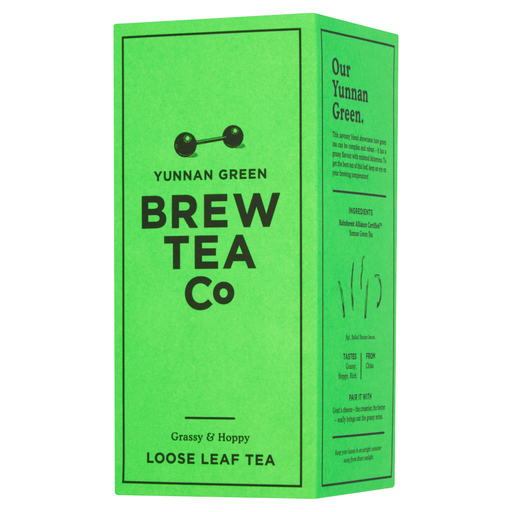 No image available
Consider this if you prefer loose leaf to a tea bag and can prepare it at your desk. The product description calls its flavour robust; check the pack for the leaf quantity, water temperature and steeping time.
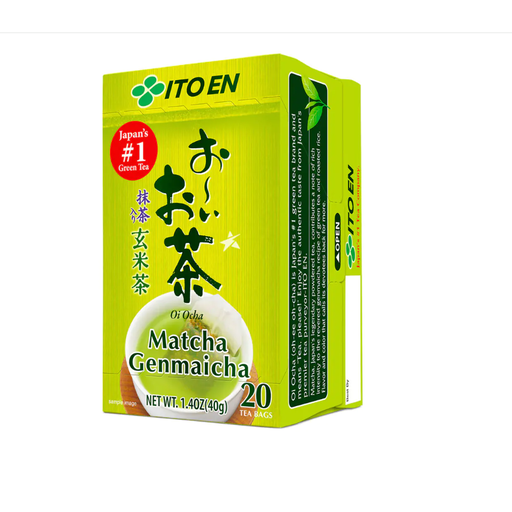 No image available
A matcha genmaicha bagged blend rather than plain green tea. The product description presents a nutty, roasted character; check its ingredients and brewing directions if either matters to your choice.
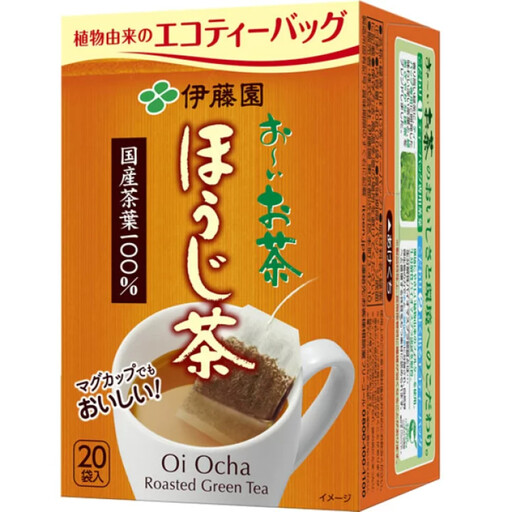 No image available
A roasted green tea in bags if you want that style instead of an unroasted green-tea cup. Its product description uses toasty flavour terms; check the pack’s water and steeping instructions for a short break.
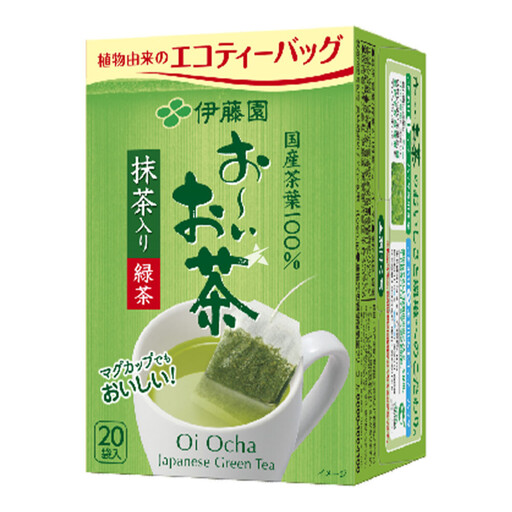 No image available
A bagged green tea with matcha for someone who wants a blend rather than pure matcha powder. Check the pack for the matcha proportion and brewing directions if those details affect your choice.
Start with the tea style, not a longer steep. Twinings’ Green Tea & Black Tea Blend contains 70% green tea and 30% black tea if you are open to both; if you want only green tea, choose a pure-green product and follow its own brewing instructions.
Follow the product’s instructions. The UK Tea & Infusions Association recommends water at around 80°C for green tea; Clipper directs drinkers to let boiled water cool for one minute before infusing its pure green tea.
No. Pukka describes it as a green-tea blend and says matcha accounts for 2% of the tea. Choose it as a bagged blend, not as a substitute for the pure-powder format.
It can matter for people with iron deficiency anaemia. University Hospitals Coventry and Warwickshire NHS Trust says tea with a meal can reduce iron absorption and advises avoiding tea within one hour before or after meals; individual clinical advice may differ.