Everyday green-tea shoppers
If your usual supply is running low, decide whether you want to replenish plain green tea or try a flavoured pack without committing to a large quantity.


For an everyday top-up, choose plain green tea if you want no added flavours, or a lemon, mint, jasmine or fruit blend if you want a particular taste. A green-and-black blend or a matcha-containing tea is a different choice rather than a substitute for plain green tea; check the ingredients, pack count, caffeine label and brewing directions before buying.
A top-up can mean replacing a familiar tea, trying one flavour or finding a pack that fits a particular caffeine preference.
If your usual supply is running low, decide whether you want to replenish plain green tea or try a flavoured pack without committing to a large quantity.
Lemon, mint, jasmine, ginger and fruit are distinct options in the Twinings range. A selection pack offers several flavours in one purchase if you do not want a full pack of each.
Look for a product explicitly labelled decaffeinated rather than assuming green tea or a green-and-black blend has no caffeine. If you are pregnant or breastfeeding, NHS guidance on total daily caffeine intake is also relevant.
Start with the type of tea you want, then check the exact pack: similar-looking green teas can differ in ingredients, quantity and preparation.
| Priority | What to check | Your needs |
|---|---|---|
| Flavour | Choose between plain tea and a named flavour such as lemon, mint or jasmine. For variety, check which flavours and how many of each are in a selection pack. | I would rather top up a flavour I already enjoy than buy a large pack of something unfamiliar. A mixed pack makes more sense if I want to try several flavours. |
| Ingredients | Read the full list for black tea, matcha, roasted rice, botanicals or flavourings. Twinings states that its green-and-black blend contains 70% green tea and 30% black tea. | If I want green tea without additions, I need a plain product rather than relying on the words ‘green tea’ in a blend’s name. I will check the exact pack for ingredients I avoid. |
| Caffeine | Check for an explicit decaffeinated label; do not treat ‘decaffeinated’ as ‘caffeine-free’. During pregnancy or breastfeeding, NHS guidance places the daily caffeine limit at 200mg from all sources. | I need to know whether this is a decaffeinated option and account for tea alongside other caffeine-containing drinks and foods where that guidance applies. |
| Pack size | Compare the stated bag or envelope count. The cited Tesco product has 20 bags, Twinings’ Classic Collection has 20 envelopes and its green-and-black blend has 80 bags. | For a quick top-up or an unfamiliar flavour, a smaller pack means less commitment to one tea. An 80-bag pack suits me only if I expect to use that blend regularly. |
| Preparation | Follow the directions for the specific tea. Teapigs recommends 80°C water and a three-minute brew for its Mao Feng green tea; do not apply that instruction to every blend. | I want a tea whose brewing instructions fit how I prepare a cup, and I will check the pack rather than use one method for every green tea. |
Blend names can cover different ingredients. Twinings’ green-and-black product, for example, contains 70% green tea and 30% black tea, while lemon and matcha-containing products take other routes.
Check the product name and ingredient list before choosing between plain tea, a particular flavour and a mixed-tea blend.
Standard green tea contains caffeine. A decaffeinated label is the relevant distinction when you want to reduce it; it does not mean the drink is necessarily caffeine-free.
Check the exact product label. If you are pregnant or breastfeeding, take tea into account alongside other caffeine sources when following NHS guidance on daily intake.
A 20-count selection and an 80-bag pack involve different commitments to one tea or range of flavours.
For an unfamiliar blend, consider a smaller pack or selection before moving to a larger format for regular use.
If the flavour does not suit you, a larger pack also leaves more unused tea bags.
Pack counts and ingredients differ even among products described as green tea, and decaffeinated versions need to be identified separately.
Before checkout, confirm the pack count, ingredients and caffeine wording on the exact item you are buying.
These ranges illustrate different tea styles; a brand’s inclusion here does not mean every product in its range appears in the Joybuy selection below.
Twinings lists plain, decaffeinated and flavoured green teas, alongside selection boxes and a green-and-black blend.
Clipper offers a pure green tea as well as flavoured choices, including green tea with lemon.
Pukka’s green-tea range includes matcha-containing combinations such as Supreme Matcha Green and Mint Matcha Green.
Teapigs lists several green-tea styles, including Mao Feng, jasmine pearls and green tea with mint.
Tesco lists an own-label Green Tea 20 Pack 50g for shoppers considering a 20-bag top-up.
These products cover a decaffeinated tea, plain green tea and lemon, jasmine and matcha-containing blends. Compare the named pack sizes and ingredients against the kind of top-up you intend to make.
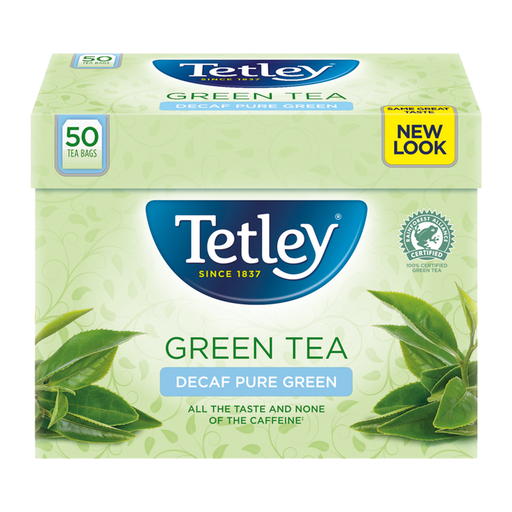 No image available
Consider this if you want a tea labelled decaffeinated and expect to use a 50-bag pack. Decaffeinated does not necessarily mean caffeine-free; check the pack if your intake needs close attention.
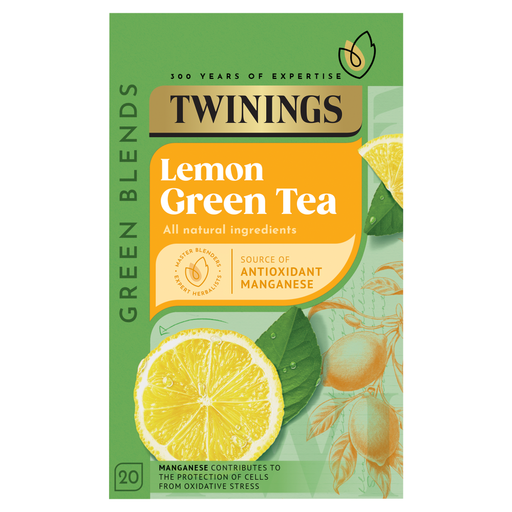 No image available
A lemon green-tea option for a smaller top-up rather than a large pack of one flavour. It is flavoured tea, not plain green tea; check the exact ingredients if you avoid particular additions.
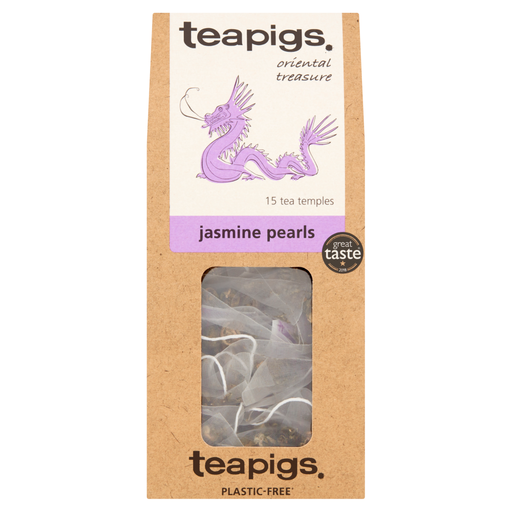 No image available
The 15-bag pack is an option if you want to try a jasmine tea without buying a larger quantity. Choose it for that named tea style rather than as a plain green-tea replacement.
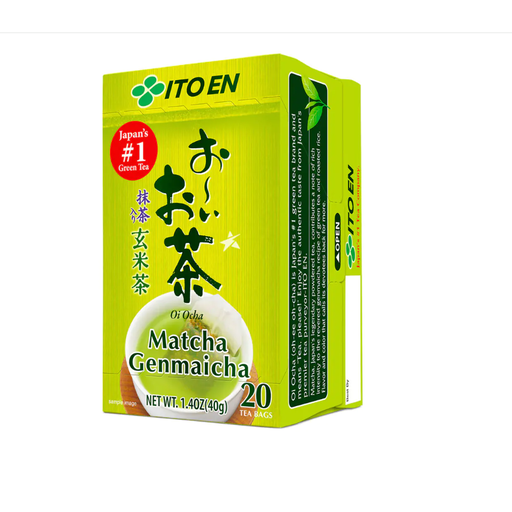 No image available
Consider this 20-bag pack if you specifically want a matcha genmaicha blend. Check its ingredient list rather than assuming it has the same composition as plain green tea.
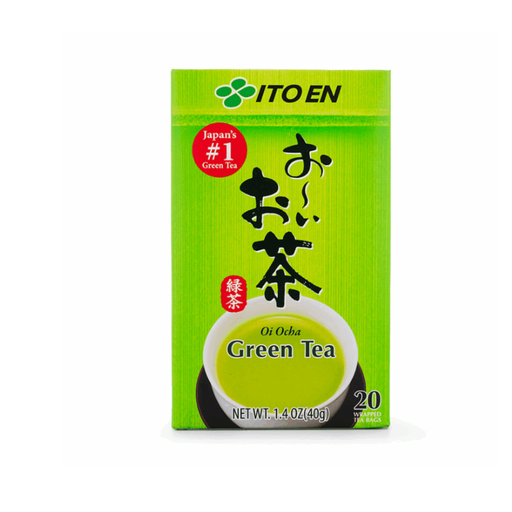 No image available
A plain green-tea option in a 20-bag pack if you do not want a named added flavour. Check the pack’s brewing directions and caffeine information if either affects your choice.
No. Standard green tea contains caffeine; Teapigs identifies its Mao Feng tea as naturally caffeinated. If you want to reduce caffeine, look for a product explicitly labelled decaffeinated, and do not assume that means caffeine-free.
NHS guidance sets a limit of 200mg of caffeine a day during pregnancy and recommends no more than 200mg a day while breastfeeding. Tea contributes to the total alongside other caffeine sources, and the caffeine in a cup can vary with the tea and how it is brewed.
Choose plain green tea if you want no added flavourings or botanicals: Clipper lists green tea as the only ingredient in its Organic Fairtrade Pure Green Tea. Choose a named blend for lemon, mint, jasmine or another flavour, and read its ingredient list because additions differ.
No. Follow the directions for the exact product. Teapigs recommends water at 80°C and a three-minute brew for its Mao Feng green tea; that guidance should not be assumed for other blends.
Read the ingredient list on the exact pack, especially when switching from plain green tea to a flavoured or green-and-black blend. Their compositions differ, so the general category name is not enough to check a specific ingredient.