Care-home catering teams
A portioned tea-bag range can make routine preparation straightforward. Check that the drinks offered still reflect residents’ preferences and assessed nutrition and hydration needs.


Offer plain green tea to residents who enjoy it and can have caffeine; consider decaffeinated green tea when caffeine reduction is part of an individual plan. Flavoured and matcha blends add choice, but check their ingredients and caffeine suitability rather than making any one blend the default drink.
A care-home tea order needs to work for shared service without replacing individual drink choices.
A portioned tea-bag range can make routine preparation straightforward. Check that the drinks offered still reflect residents’ preferences and assessed nutrition and hydration needs.
Someone who enjoys green tea may want a decaffeinated version if caffeine reduction is part of their individual plan. NHS Tayside advises that caffeine can worsen some bladder and bowel symptoms.
Plain green tea offers a simpler flavour choice than a botanical or matcha blend. Whether it belongs on a resident’s drinks list still depends on their preference and individual requirements.
Start with each resident’s drink preferences and caffeine requirements, then choose flavours and preparation instructions that staff can follow consistently.
| Priority | What to check | Your needs |
|---|---|---|
| Resident choice | Compare plain, decaffeinated and flavoured options with documented preferences. For regulated services in England, the Care Quality Commission says food and drink provision must take account of people’s preferences and religious and cultural backgrounds. | I want a shared range that still lets each resident choose a drink they enjoy and that meets their individual requirements. |
| Caffeine | Distinguish ordinary green tea from products labelled decaffeinated; check the current pack and individual care plan. Twinings says its green tea contains around 30–40mg of caffeine per cup, while NHS Tayside advises that caffeine can worsen some bladder and bowel symptoms. | If caffeine reduction matters for a resident, I need an appropriate alternative rather than assuming every green tea is caffeine-free. |
| Blend ingredients | Read the full current ingredient label for flavourings and botanicals. Check matcha blends for caffeine suitability: Pukka states that its matcha green tea naturally contains caffeine. | A resident may enjoy lemon or matcha, but I need to check the particular blend against their preferences and dietary requirements. |
| Preparation | Check the number of bags, water volume and infusion time on the chosen pack. Twinings instructs users to infuse one Pure Green Tea bag in 200ml of freshly boiled water for three minutes. | For a busy drinks service, clear instructions help staff prepare the chosen tea in the same way each time. |
| Drinks throughout the day | Offer green tea alongside water and other drinks suitable for each resident. The Care Quality Commission describes genuine choice and access to sufficient food and drink throughout the day in its guidance for adult social-care services in England. | I do not want one shared tea blend to stand in for everyone’s drink preferences or hydration needs. |
Ordinary green tea contains caffeine. Twinings estimates around 30–40mg per cup for its green tea, and NHS Tayside advises that caffeine can worsen some bladder and bowel symptoms.
Keep ordinary green tea as a choice where suitable, and check whether a decaffeinated or non-caffeinated option is needed under individual care plans.
A flavoured or botanical blend can contain ingredients that need checking against a resident’s requirements. Matcha-based green tea should not be assumed caffeine-free; Pukka says its matcha green tea naturally contains caffeine.
Check the current pack label and resident documentation before adding a blend to the drinks service.
One tea cannot represent every resident’s preferences or assessed needs. For regulated adult social-care services in England, the Care Quality Commission’s guidance calls for genuine choice and access to sufficient food and drink throughout the day.
Offer green tea within a broader drinks choice, and discuss individual preferences and requirements with care staff.
These brand examples show different green-tea routes; a brand name alone does not establish whether a particular pack suits a resident.
Its UK range includes Pure Green Tea and Pure Green Decaffeinated, as shown by Twinings’ product and range information.
Clipper’s Organic & Fairtrade Decaf Green Tea is an example of a decaffeinated route.
Pukka illustrates the more distinctive matcha-based green-tea route for residents who prefer that style.
These options span decaffeinated, plain, roasted, lemon-flavoured and matcha-containing green tea. Choose the type around resident preference and caffeine requirements, then check the current pack before service.
 No image available
A decaffeinated green-tea option for a resident who wants green tea while reducing caffeine. Check the current pack and individual plan for suitability, as the product name does not give a caffeine amount per prepared cup.
 No image available
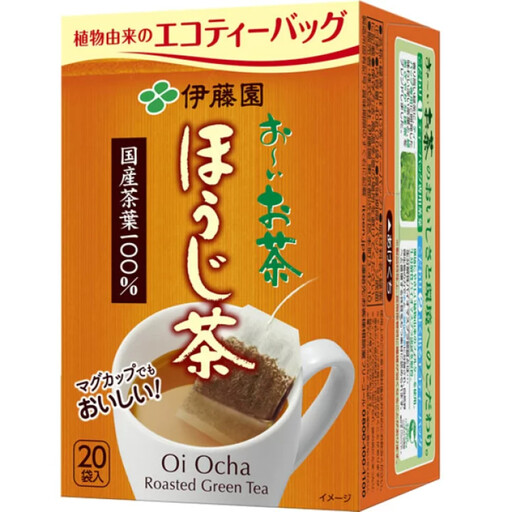
The roasted hojicha style is a choice for residents who prefer that flavour to a standard plain green tea. Do not rely on the style name to judge caffeine suitability; check the pack and individual guidance.
 No image available
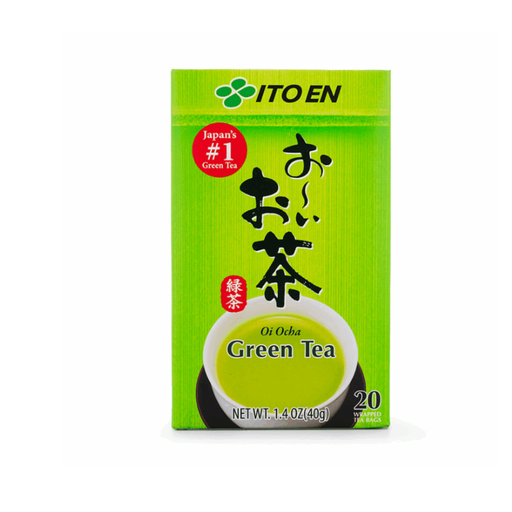
A plain green-tea option for residents who prefer an unflavoured tea. Confirm preparation directions on the pack and check caffeine suitability against individual requirements.
 No image available
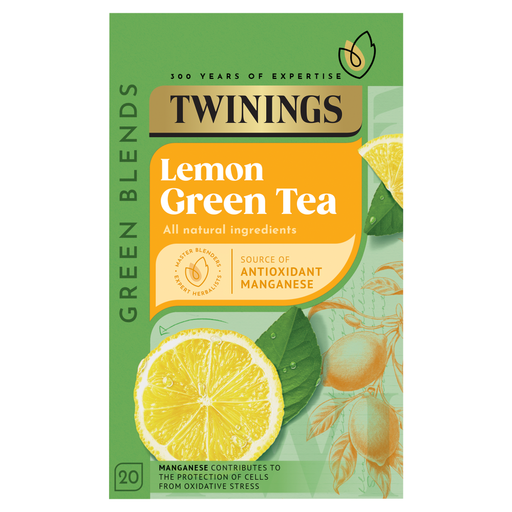
A lemon-flavoured choice for residents who enjoy citrus with green tea. Check the current ingredient label and caffeine suitability before adding it to an individual drinks choice.
 No image available
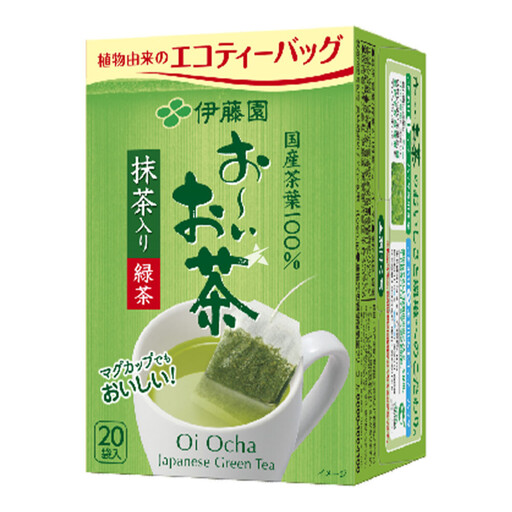
A matcha-containing option for residents who specifically prefer that blend. Check the full current label and caffeine suitability rather than treating it as a substitute for decaffeinated tea.
No. It can be offered to residents who enjoy it and for whom caffeine is suitable, alongside other drinks that meet individual preferences and needs. Twinings confirms that ordinary green tea contains caffeine; for regulated services in England, the Care Quality Commission’s guidance also calls for genuine choice in food and drink.
Ordinary green tea does. Twinings estimates around 30–40mg per cup for its green tea; that figure should not be applied to every product or preparation. Check the chosen pack and any individual caffeine requirements.
Consider it when a resident wants green tea and caffeine reduction is part of their individual plan. NHS Tayside advises that caffeine can worsen some bladder and bowel symptoms, but a decaffeinated label does not replace a check of the product and the resident’s requirements.
They are different flavour choices, not automatic upgrades. Pukka says its matcha green tea naturally contains caffeine; check the full ingredient label and offer a blend according to each resident’s preferences and requirements.
The Care Quality Commission’s Regulation 14 guidance says providers must take account of people’s preferences and religious and cultural backgrounds when providing food and drink. Its adult social-care guidance also describes genuine choice and access to sufficient food and drink throughout the day. These statements concern regulated services in England; services elsewhere in the UK should check their relevant national requirements.