What should the shop check?
Choose distinct roles for a compact range, then check the individual packs before describing their caffeine content, ingredients or preparation to shoppers.
| Priority | What to check | Your needs |
|---|
| Plain and flavoured choice |
Distinguish tea with green tea as its sole ingredient from flavoured blends. For a variety box, check the flavours and the number of bags of each. |
I’d like a straightforward plain tea, but also a way to try familiar flavours without choosing one large box. |
| Caffeine wording |
Separate standard green tea from specifically labelled decaffeinated tea. Check the current pack before describing any product as caffeine-free. |
If I’m reducing caffeine, I want to identify the decaffeinated choice without mistaking an ordinary blend for one. |
| Preparation |
Read each pack’s water-temperature and infusion instructions. Teapigs specifies about 80°C water for its Mao Feng and mint green teas; Yogi Green Balance specifies five minutes. |
Clear directions matter when I make tea at home or explain a less familiar blend to someone else. |
| Ingredients and claims |
Check the exact ingredient list and any organic or Fairtrade wording on the selected pack. Do not apply one product’s credentials to a whole brand range. |
When I ask what is in a blend or how its tea is sourced, I want an answer for that particular product. |
| Ready-to-drink format |
For bottled or cartoned tea, check the pack size, flavour wording, ingredients and storage directions. Treat it as a different format from tea bags that need brewing. |
Sometimes I’d rather choose a prepared drink than make a cup of tea, but I still want to know which flavour I’m buying. |
Brand ranges to consider
These brand ranges show different ways to build a green-tea shelf; a range description does not establish which individual packs a shop can obtain.
Twinings
Twinings lists plain, flavoured and decaffeinated green teas in its UK range.
- Its Classic Collection contains five bags each of ginger, lemon, jasmine and mint green tea, individually sealed.
- Its decaffeinated route should not be described as necessarily caffeine-free.
Clipper
Clipper offers a plain green tea alongside flavoured green-tea variants.
- Clipper identifies organically grown green tea as the ingredient in its 80-bag Pure Green product and states that its tea is traded in compliance with Fairtrade standards.
- The plain product does not itself provide a flavour-variety choice.
Pukka
Pukka’s UK green-tea page lists Supreme Matcha Green, Mint Matcha Green and Citrus Yerba Green.
- The listed options offer matcha-led and other blended flavour routes.
- Check each blend’s ingredients and caffeine wording rather than treating it as plain green tea.
Teapigs
Teapigs lists pure Mao Feng and a Chunmee green tea with peppermint in tea-temple formats.
- The two products distinguish an unflavoured tea from a mint blend.
- Both product pages recommend water at about 80°C, a detail worth retaining in shop guidance.
Yogi Tea
Yogi Tea’s Green Balance combines green tea with lemongrass, peppermint and elderflower.
- Yogi Tea lists green tea as 67% of this blend and gives a five-minute infusion instruction.
- Its product page also displays a conflicting caffeine-free statement. Check the current pack before describing its caffeine status.
Tesco
Tesco is a retailer reference for checking specific tea listings, not a single green-tea blend proposition.
- Its tea department provides a place to check individual product details.
- Confirm details for the intended product and store before ordering.
Joybuy green-tea options
These options cover a decaffeinated tea bag and several prepared green-tea drinks. Prepared drinks offer a different serving format from the plain tea and flavour-variety boxes discussed above.
 No image available
Tetley Decaffeinated Green Tea, 50 bags, 100g
A tea-bag option for a separate decaffeinated choice on the shelf. Check the current pack’s caffeine wording and brewing directions; do not describe it as caffeine-free on the strength of the product name.
View on Joybuy
 No image available
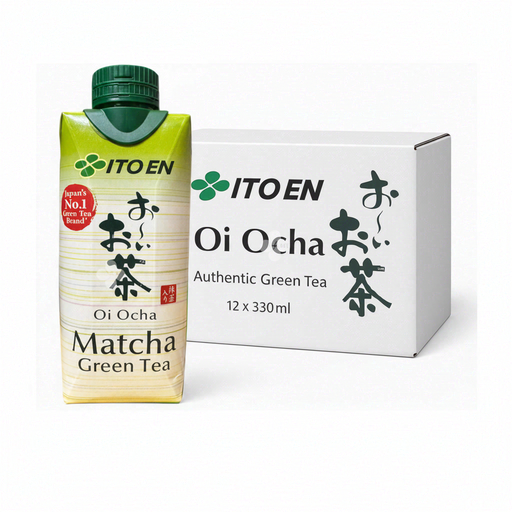
ITOEN Oi-Ocha Matcha Green Tea, 12 × 330ml
A prepared matcha green-tea drink for shoppers who do not want to brew tea bags. Check the pack’s caffeine information and its storage directions after opening.
View on Joybuy
 No image available
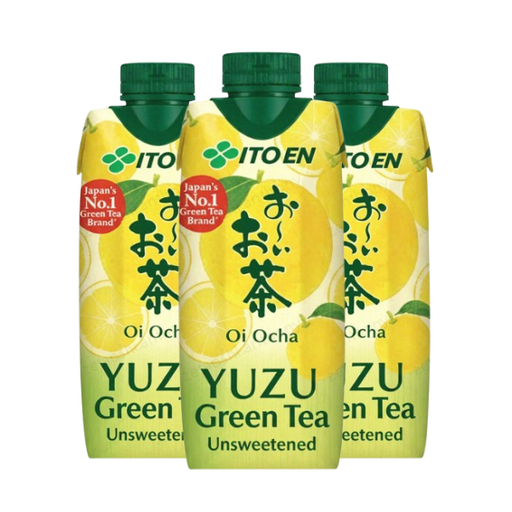
ITOEN Oi-Ocha Yuzu Green Tea, 3 × 330ml
A ready-to-drink citrus-flavoured choice rather than an infusion to prepare. Check the carton’s caffeine and storage information before describing how it suits a shopper’s needs.
View on Joybuy
 No image available
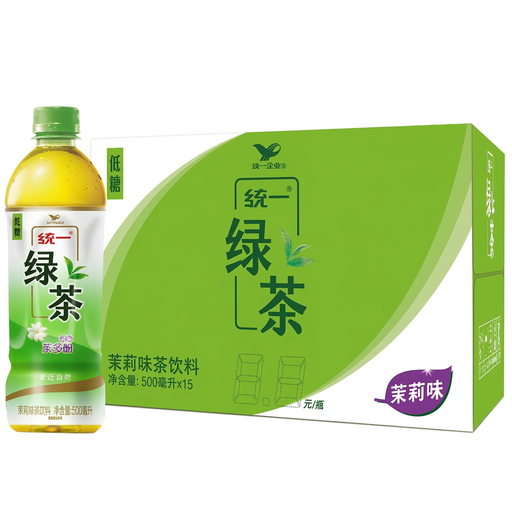
Uni-President Jasmine Green Tea Drink, 15 × 500ml
A prepared jasmine-flavoured option for shoppers choosing a bottled drink. Check the current pack for ingredients, allergens, caffeine wording and storage directions before giving product-specific guidance.
View on Joybuy
 No image available
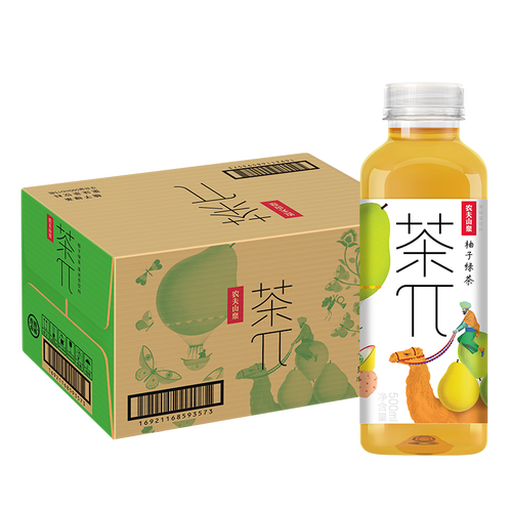
NongFu Spring Grapefruit Green Tea, 15 × 500ml
A sweetened, ready-to-drink citrus option rather than a plain tea. The product title says grapefruit while the listed ingredients refer to yuzu, so confirm the flavour on the current pack; check its caffeine information too.
View on Joybuy
Questions about stocking green tea
Can ordinary green tea fill the lower-caffeine slot?
No. The NHS identifies green tea as containing caffeine. If the shop wants a lower-caffeine choice, select a specifically labelled decaffeinated product and check its pack wording rather than assuming it is caffeine-free.
Is a flavour-variety box useful for a small range?
It can offer several flavours without requiring a separate box of each. Twinings’ Classic Collection, for example, contains five bags each of ginger, lemon, jasmine and mint green tea; it does not replace a decaffeinated choice.
Do all green-tea blends use the same brewing method?
No. Twinings specifies three minutes in freshly boiled water for its Classic Collection, Teapigs recommends about 80°C water for its Mao Feng and mint green teas, and Yogi Green Balance specifies five minutes. Give shoppers the directions for the exact product they choose.
How should the shop answer ingredient or allergen questions?
Use the current product’s ingredient and allergen information, not its flavour name or another blend’s label. Keep the relevant pack information available, especially if tea is repacked or served rather than sold in its original packaging.


