Choose blends that give shoppers a reason to pick one flavour over another: jasmine, citrus and mint offer distinct routes, while a matcha blend serves someone specifically looking for that ingredient. Check each product’s ingredient proportions, brewing directions and certification rather than assuming every green-tea blend has the same composition or is caffeine-free.
Who is this range for?
Shoppers exploring green-tea flavours
If several plain green teas feel too similar, look for clearly named jasmine, lemon, mint or ginger blends. Twinings’ Classic Collection offers five bags each of four such varieties, so you can try them before choosing a single flavour.
Shoppers checking certification
If organic ingredients or Fairtrade sourcing matter to you, read the declaration on the exact product. Clipper’s Green with Lemon, for example, states that its ingredients are organically grown and that 94% of its tea is traded in compliance with Fairtrade standards; that statement does not describe every Clipper product.
Shoppers keeping track of caffeine
A green-tea blend is not the same as a caffeine-free herbal infusion. Check the product label if caffeine affects your choice; during pregnancy, the NHS advises keeping caffeine from all sources to no more than 200mg a day.
What should you check before choosing?
Start with a flavour or format that adds something distinct to the range, then check the exact ingredients and preparation details.
| Priority |
What to check |
Your needs |
| Flavour variety |
Compare named ingredients rather than pack designs. A collection can offer several flavours in one purchase; Twinings’ Classic Collection contains five bags each of ginger, lemon, jasmine and mint green teas. |
I want to try contrasting flavours before choosing a larger single-flavour pack. |
| Blend composition |
Read the ingredient order and any stated proportions. Twinings lists ginger root at 50% and green tea at 40% in its Classic Collection ginger blend, while its jasmine tea is listed as 100% jasmine-scented green tea. |
A herb-led blend may suit what I am looking for, but I want to know how much of the product is green tea. |
| Organic and Fairtrade information |
Check the exact pack’s organic declaration and Fairtrade wording. Clipper states that its Green with Lemon ingredients are organically grown and that 94% of its tea is traded in compliance with Fairtrade standards. |
Certification matters to me, so I want product-specific information rather than a general impression of the brand. |
| Caffeine |
Identify whether the product contains green tea rather than only herbal ingredients, and check its label for information relevant to your intake. The NHS advises a total limit of 200mg of caffeine a day during pregnancy. |
If I am monitoring caffeine, I need to account for tea alongside other sources. |
| Preparation and format |
Check whether you are buying tea to brew or a ready-to-drink beverage. Follow the named tea’s directions: teapigs specifies 80°C water and at least three minutes for its green tea with mint, while Twinings instructs freshly boiled water and three minutes for its jasmine tea. |
For a brewed tea, I want preparation instructions I can follow for that particular blend. |
Common buying mistakes
-
Assuming green tea is the main ingredient in every blend
Composition can change the kind of tea you are choosing. Twinings lists 50% ginger root and 40% green tea in its Classic Collection ginger blend, compared with 100% jasmine-scented green tea in its jasmine product.
Read the complete ingredient list and any percentages before placing a herb-led blend alongside predominantly green-tea products.
-
Treating green tea as caffeine-free
Green-tea products can contain caffeine; teapigs says this applies to its green tea with mint.
Check the product label when caffeine matters. During pregnancy, the NHS advises no more than 200mg a day from all dietary sources.
-
Applying one product’s certification to a whole brand
Clipper’s Green with Lemon has its own organic declaration and a statement that 94% of its tea is traded in compliance with Fairtrade standards. Those details cannot be assumed for another product.
Check the certification marks and wording on the exact blend and pack size you intend to buy or stock.
-
Using one brewing method for every blend
Directions differ: teapigs specifies 80°C water and at least three minutes for its mint blend, while Twinings specifies freshly boiled water and three minutes for its jasmine tea.
Keep the named product’s preparation directions accessible to shoppers and follow them when brewing.
Brand references for green-tea blends
These product-line examples show different ways to build flavour variety; a brand reference does not establish that a particular product is stocked by Joybuy.
Twinings
Twinings lists plain and flavoured green teas alongside collections, including a Classic Collection with ginger, lemon, jasmine and mint varieties.
- The Classic Collection contains five envelopes of each of its four varieties.
- Its ginger variety lists 50% ginger root and 40% green tea; the blend name alone does not describe its proportions.
Clipper
Clipper’s Green with Lemon combines green tea with natural lemon flavouring and lemon peel, with organic and Fairtrade information for that product.
- The Green with Lemon product states that its ingredients are organically grown and that 94% of its tea is traded in compliance with Fairtrade standards.
- It is a flavoured blend, not an unflavoured green tea; check certification separately for other Clipper products.
Pukka
Pukka describes Supreme Matcha Green as a blend of green teas and matcha, offered in tea-bag and individually wrapped sachet formats.
- The named blend offers a tea-bag format for shoppers specifically seeking matcha as an ingredient.
- The product description does not give a matcha percentage; its wellbeing language should not be treated as an established health outcome.
Teapigs
Teapigs’ green tea with mint combines Chunmee green tea and peppermint leaves in tea temples.
- The product gives specific directions: 80°C water and an infusion of at least three minutes.
- Teapigs states that this product naturally contains caffeine; do not assume a certification applies without checking the exact pack.
Joybuy green-tea options
These options cover three different choices for a varied range: a floral tea-bag blend, a ready-to-drink citrus green-tea beverage and a roasted green tea in bags. The beverage and roasted tea serve different purposes from a multi-flavour blend collection.
 No image available
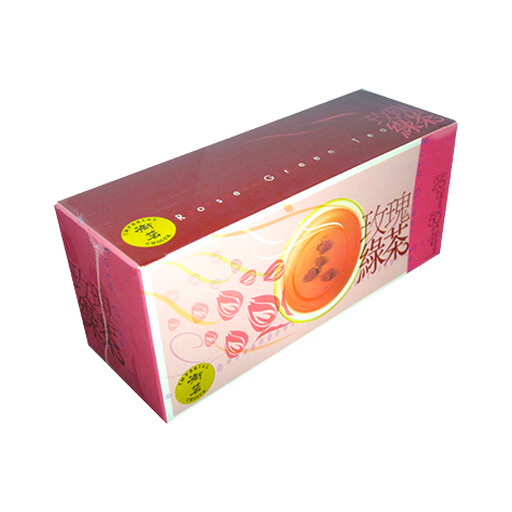
Yu Ming Rose Green Tea Bags, 50g
A rose-flavoured green-tea option if the range needs a floral choice alongside jasmine or mint. The named pack is 50g; check the pack’s brewing directions and caffeine information if these affect your choice.
View on Joybuy
 No image available
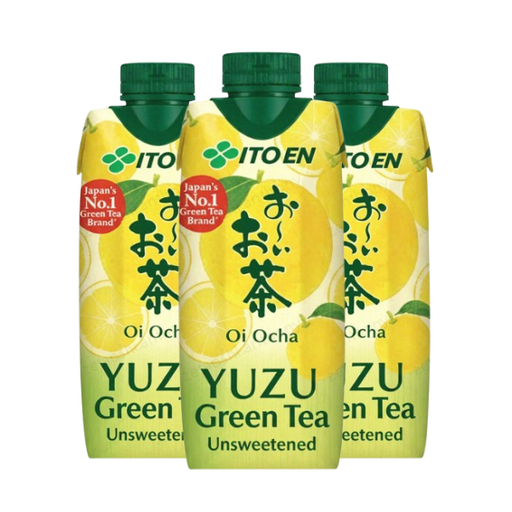
ITOEN Oi Ocha Yuzu Green Tea, 330ml × 3
Consider this yuzu green-tea beverage when a ready-to-drink citrus option suits the range. The named pack contains three 330ml cartons, so it is not a substitute for tea bags that shoppers can brew themselves.
View on Joybuy
 No image available
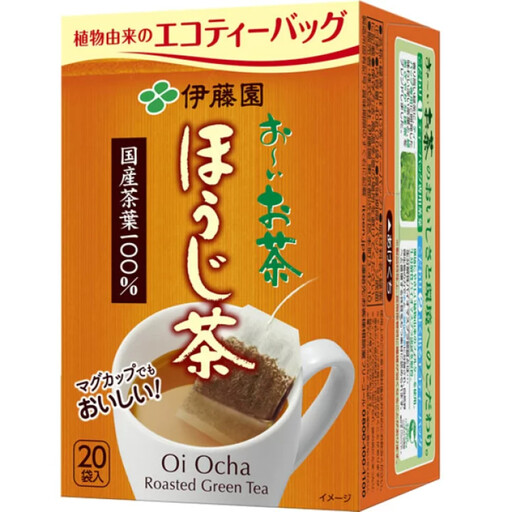
Itoen Oi Ocha Hojicha Premium Roasted Green Tea, 1.8g × 20
A roasted green-tea choice for a range that already has floral or citrus options. The named pack contains 20 portioned bags of 1.8g; it is a single roasted style rather than a multi-flavour collection. Check the pack for its brewing directions.
View on Joybuy
Frequently asked questions
How can a shop make its green-tea range feel varied?
Choose products with clearly different named ingredients or formats, rather than several similar plain green teas. Jasmine, citrus, mint and herb-led blends provide different flavour routes; a collection pack such as Twinings’ Classic Collection lets shoppers try four varieties, while a matcha blend serves those looking for that specific ingredient.
Is green tea always the main ingredient in a green-tea blend?
No. Twinings lists 50% ginger root and 40% green tea in the ginger variety of its Classic Collection, whereas its jasmine product is listed as 100% jasmine-scented green tea. Read the exact product’s ingredient list and stated proportions.
Does matcha in a blend establish a health benefit?
No health outcome follows simply from the ingredient name. Pukka describes Supreme Matcha Green as a blend of green teas and matcha; choose it for that stated composition and check the exact pack for the details that matter to you.
What if I need to limit caffeine during pregnancy?
Check the exact tea and account for caffeine from your other dietary sources. Green tea can contain caffeine, and the NHS advises having no more than 200mg of caffeine a day during pregnancy.


