Choose a green-and-black blend if you want green tea alongside some of the black tea familiar from breakfast blends; choose plain green tea if a single tea ingredient matters more. Matcha-containing and flavoured blends offer different ingredient and flavour choices, while the exact pack instructions and caffeine information matter whichever tea bag you choose for a weekday morning.
Who is choosing?
Busy tea-bag users
If breakfast leaves little time for measuring loose tea, bags offer a repeatable way to prepare a cup. In a Tea Census published in May 2025, the UK Tea & Infusions Association reported that 93% of more than 1,000 UK respondents preferred the convenience of making tea with a bag. That finding concerns tea generally, not a preference for any particular green-tea blend.
Breakfast-tea drinkers trying green tea
A green-and-black blend lets you try green tea without leaving black tea out of the cup. Twinings lists its Green Tea & Black Tea Blend as 70% green tea and 30% black tea; a plain green tea is a different ingredient choice.
People keeping track of caffeine
Green tea contains caffeine, so include it when considering the rest of your day’s drinks. Twinings estimates around 30–40mg per cup for its own green tea; that is not a caffeine figure for every product or preparation. The NHS advises a maximum of 200mg of caffeine a day during pregnancy.
What matters at breakfast?
Start with the type of tea you want to taste, then check whether its preparation, ingredients and pack format fit your mornings.
| Priority |
What to check |
Your needs |
| Morning preparation |
Check whether the pack contains bags and how many. Read its water-temperature and infusion directions; Clipper advises cooling boiled water for a minute and infusing its Pure Green Tea for 1–3 minutes. |
I want a cup I can prepare before heading out. In its May 2025 Tea Census, the UK Tea & Infusions Association reported that 93% of more than 1,000 UK respondents preferred the convenience of making tea with a bag; the result covers tea generally. |
| Blend style |
Read the ingredient list for green tea alone, green and black tea, matcha, or added flavours. Twinings lists a 70% green tea and 30% black tea blend; Pukka describes Supreme Matcha Green as green tea with matcha. |
Black tea in the blend appeals to me because it is part of my usual breakfast cup. Alternatively, I may want plain green tea or a particular flavour such as lemon or mint. |
| Caffeine |
Check the exact product’s caffeine information and whether it is labelled decaffeinated. Consider cup size and preparation rather than applying another tea’s figure to your cup. |
I keep track of caffeine across my morning drinks. During pregnancy, the NHS advises no more than 200mg of caffeine a day from all sources. |
| Ingredients and sourcing |
Compare full ingredient lists, particularly for matcha or flavoured blends. If organic or Fairtrade claims matter to you, check the wording on the specific product. |
I may want one tea ingredient rather than added botanicals or flavourings. If sourcing claims influence my choice, I want to check the pack I am buying. |
| Pack size |
Compare the stated number of bags as well as the tea style. The researched examples include 15-, 20- and 80-bag formats, which suit different purchasing routines. |
A smaller box gives me a way to try an unfamiliar style; for repeat weekday cups, I would check how long a larger pack would last in my household. |
Common buying mistakes
-
Assuming every green tea contains only green tea
Products described as green tea can have different ingredients. Twinings lists both green and black tea in its blend, while Pukka describes Supreme Matcha Green as green tea with matcha.
Read the exact ingredient list before choosing between a plain tea, a mixed-tea blend and a matcha-containing blend.
-
Using one brewing method for every blend
Pack directions differ: Clipper advises cooling boiled water for a minute before infusing its Pure Green Tea for 1–3 minutes, whereas Twinings gives a three-minute infusion with freshly boiled water for its green-and-black blend.
Use the directions for the product in your cupboard rather than carrying over your usual black-tea routine.
-
Treating green tea as caffeine-free
Green tea contains caffeine. Twinings estimates around 30–40mg per cup for its own green tea, but that figure should not be assigned to every blend.
If you track caffeine, check the exact tea and include other sources in your daily total. The NHS advises a 200mg daily maximum during pregnancy.
Brand ranges to compare
Twinings
Twinings offers several green-tea styles, including a green-and-black blend and flavoured options.
- Its Green Tea & Black Tea Blend states a 70% green tea and 30% black tea composition in an 80-bag pack.
- Check ingredients and caffeine information for the particular variant; the blend is not a plain green tea.
Clipper
Clipper’s Pure Green Tea is a plain-green option for shoppers comparing ingredient lists.
- Clipper describes its 80-bag Pure Green Tea as organic and its tea as Fairtrade-compliant.
- Its directions call for boiled water to cool for a minute before a 1–3 minute infusion, rather than following a black-tea routine.
Pukka
Pukka’s green-tea range includes matcha-containing blends such as Supreme Matcha Green, Green Mint Matcha and Green Citrus Yerba.
- Supreme Matcha Green is described by Pukka as containing green tea and matcha.
- Check each blend’s full ingredient list if you want plain green tea or avoid particular botanicals.
Teapigs
Teapigs lists Mao Feng green tea alongside jasmine pearls, popcorn tea and green tea with mint.
- The named styles give you distinct ingredient and flavour routes to compare.
- Check the size and ingredients of the exact pack rather than assuming the styles share a format.
Tesco
Tesco lists own-brand plain green tea and green tea with lemon.
- The listed Green Tea and Green Tea & Lemon products are each identified as 20 Pack 50g.
- Choose between the plain and lemon versions by checking the exact pack’s ingredients.
Green tea options on Joybuy
These tea-bag options cover decaffeinated, jasmine, lemon, roasted and matcha-genmaicha styles for a weekday breakfast. Choose by the blend you want, then check the individual pack for preparation and caffeine details that matter to you.
 No image available
Tetley Decaffeinated Green Tea, 50 Bags, 100g
Consider this tea-bag option if you want a decaffeinated green tea at breakfast. The pack is labelled 50 bags and 100g; check its caffeine declaration if you need to track a strict limit.
View on Joybuy
 No image available
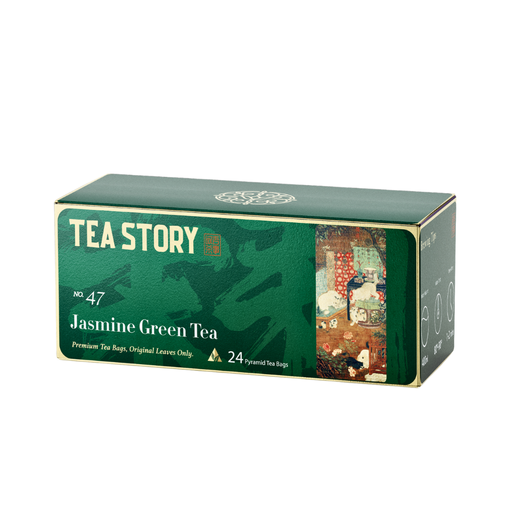
Tea Story Jasmine Green Tea, 24 Bags × 2g
This is a jasmine green-tea option if a floral style appeals at breakfast; the title specifies 24 bags of 2g each. Its night-time marketing is not a reason to assume a calming effect.
View on Joybuy
 No image available
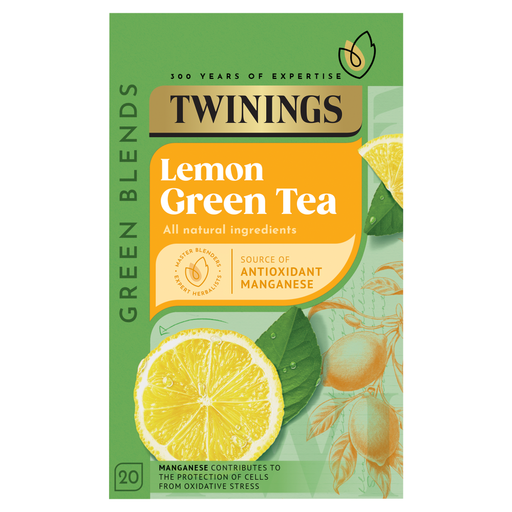
Twinings Lemon Green Tea, 20 Pack
Choose this green tea if you want a lemon-flavoured option rather than a plain blend. The title identifies a 20-pack; follow the directions on the exact pack when preparing it.
View on Joybuy
 No image available
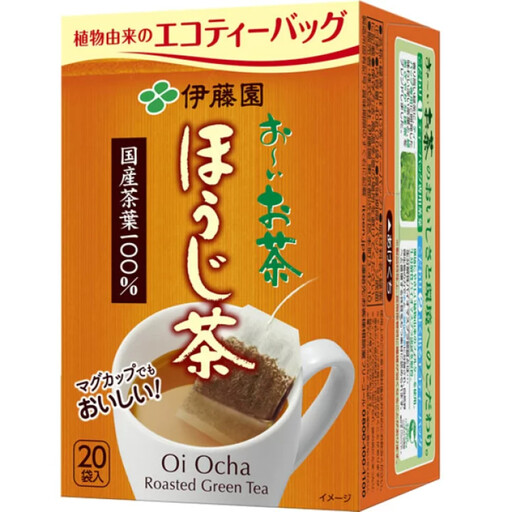
Itoen Oi Ocha Hojicha Premium Roasted Green Tea, 1.8g × 20
Hojicha is the roasted-green-tea style in this selection, rather than a lemon or matcha blend. The product title states 20 portions of 1.8g; check the pack if its caffeine content affects your choice.
View on Joybuy
 No image available
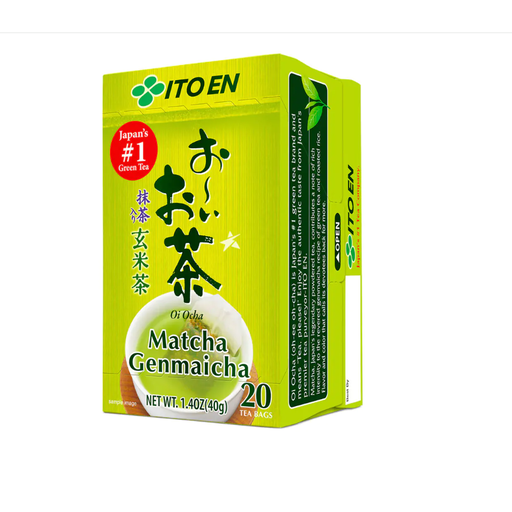
Itoen Oi Ocha Japanese Matcha Genmaicha, 20 Bags, 40g
Consider this option if you want a matcha-genmaicha blend rather than plain green tea. The title specifies 20 tea bags and 40g; read the pack’s ingredients and brewing directions for the exact blend.
View on Joybuy
Questions about breakfast green tea
Which green tea is closer to a traditional breakfast-tea blend?
A green-and-black blend retains black tea in the cup. Twinings lists its Green Tea & Black Tea Blend as 70% green tea and 30% black tea, so choose it for that mixed-tea composition rather than expecting a plain green tea.
Can I brew every green-tea bag the same way?
No: follow the directions for the exact product. Clipper advises letting boiled water cool for a minute and infusing its Pure Green Tea for 1–3 minutes, while Twinings specifies freshly boiled water and three minutes for its green-and-black blend.
How does green tea fit into a caffeine limit during pregnancy?
Count green tea alongside your other caffeine sources: the NHS advises no more than 200mg of caffeine a day during pregnancy. Twinings estimates around 30–40mg per cup for its own green tea, but that figure does not establish the amount in a different product or preparation.


