Hosts serving separate cups
Tea bags let guests have individual cups without a loose-leaf strainer. If you do not know everyone’s preferences, consider offering a separately labelled decaffeinated option.


Choose green-tea bags for separate brunch cups with little equipment, or loose leaf if you want to serve from a shared pot and can manage an infuser and the leaves. A flavoured or matcha-containing blend works better as an additional choice when guests want it, rather than as a substitute for plain green tea. If you plan to keep the tea in a jar, make sure it is clean and dry, and store it in a cool, dry place away from strong odours.
Tea bags let guests have individual cups without a loose-leaf strainer. If you do not know everyone’s preferences, consider offering a separately labelled decaffeinated option.
Loose leaf suits a brunch where making and serving a pot is part of the occasion. Allow for a pot or infuser, a way to remove the leaves and attention to the tea’s brewing instructions.
A plain green tea can sit alongside a distinct option, such as a decaffeinated tea, a flavoured tea or a matcha-containing blend. Check the exact label rather than assuming those choices are interchangeable.
Decide how you will serve the tea, then check the variety and brewing instructions. Think about storage if you intend to keep an opened pack for another occasion.
| Priority | What to check | Your needs |
|---|---|---|
| Serving format | Check the bag count for separate cups, or whether you have a pot, infuser and means of straining loose leaf. The UK Tea & Infusions Association suggests one bag or one rounded teaspoon of loose tea per cup. | I want guests to have their own cups without handling loose leaves; alternatively, I have time and equipment to serve a shared pot. |
| Brewing | Check the pack’s water-temperature and infusion instructions. The UK Tea & Infusions Association gives around 80°C for green tea; the time can differ by product. | I want to prepare several cups without using the same brewing time for every tea. |
| Tea style | Read the exact variety and ingredients: plain, flavoured and matcha-containing teas are different choices. If matcha content matters, check its stated proportion. | Some guests may prefer plain green tea, while others would welcome a separate flavoured or matcha-containing option. |
| Storage | Choose a clean, dry jar if decanting. The UK Tea & Infusions Association advises cool, dry storage away from strongly flavoured or perfumed foods; keep the pack’s date and preparation details. | I plan to keep the tea after brunch and want the original instructions available when I make it again. |
One water temperature and infusion time will not suit every tea. The UK Tea & Infusions Association gives around 80°C for green tea, while Clipper specifies a 1–3 minute infusion for its Organic Fairtrade Pure Green tea bags.
Follow the instructions on the tea you buy, particularly when preparing several cups at once.
A matcha-containing green-tea bag can be a blend rather than predominantly matcha. Pukka describes its Supreme Matcha Green as green tea with matcha powder; a Pukka response on its product page states that this blend contains 2% matcha.
Read the ingredient declaration and any stated matcha percentage if that distinction matters to your purchase.
Decanting alone does not address moisture or nearby odours. The UK Tea & Infusions Association advises keeping tea cool and dry, away from strongly flavoured or perfumed foods.
Use a fully clean, dry jar in a suitable cupboard, and retain the original pack’s date and brewing instructions.
Twinings lists pure and flavoured green-tea bags, a decaffeinated pure-green variety and loose-leaf green teas.
Clipper’s Organic Fairtrade Pure Green is a plain green tea listed in an 80-bag format.
Pukka describes Supreme Matcha Green as a blend of whole-leaf green tea and matcha powder.
teapigs lists green-tea bags and varieties including Mao Feng, jasmine pearls and green tea with mint.
Tesco’s green-tea listings include an own-label option alongside branded teas.
These options include tea bags for individual cups, loose leaf for pot service and distinct blends for guests who want a different flavour. A storage jar is a separate choice if you plan to decant the tea.
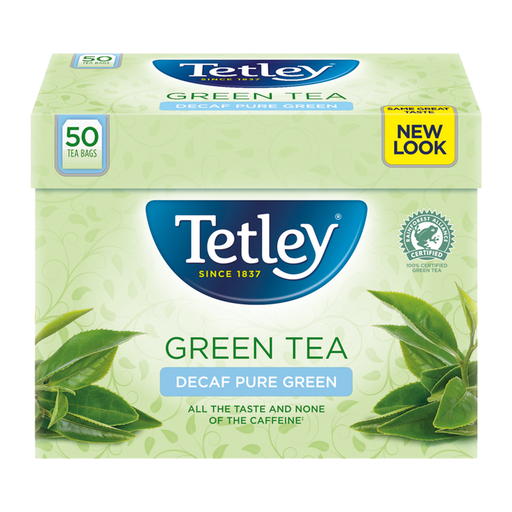 No image available
A bagged option for separate brunch cups when someone asks for decaffeinated green tea. Decaffeinated does not mean caffeine-free; check the pack for its brewing instructions.
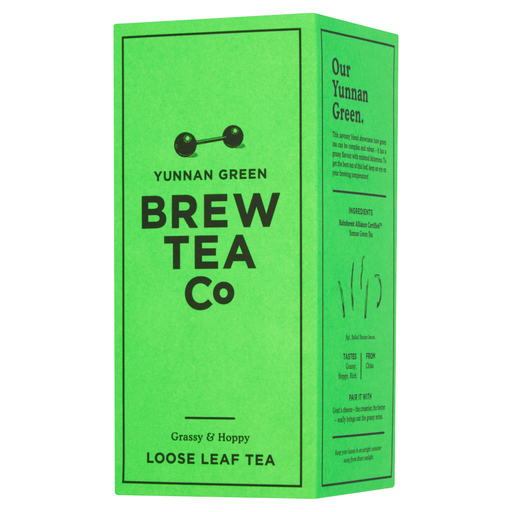 No image available
Loose leaf is a choice for shared pot service if you can measure and strain the leaves. Check whether you have a suitable pot or infuser, then follow the pack’s brewing instructions.
No image available
Green-tea bags offer individual cups without loose-leaf straining. Check the pack for the preparation instructions before making several servings.
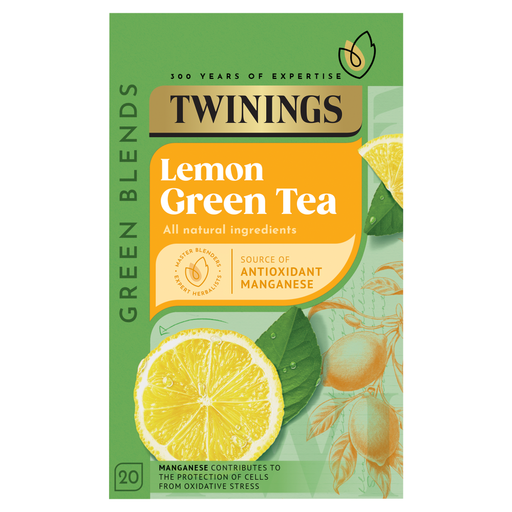 No image available
A lemon-flavoured bagged option for guests who want something other than plain green tea. Keep the flavour distinction clear when serving, and check the pack’s brewing instructions.
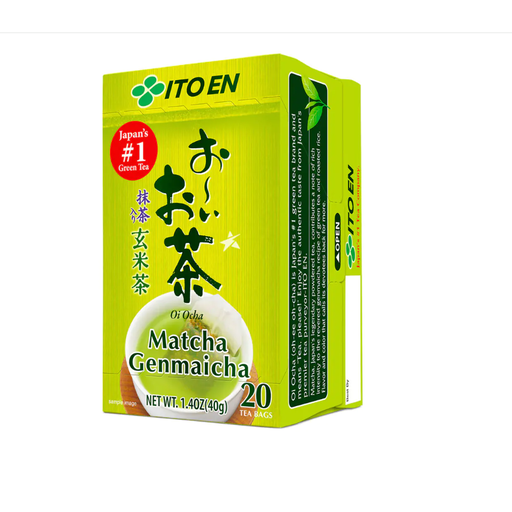 No image available
This bagged genmaicha is a choice for guests who specifically want a roasted-rice and matcha-containing blend, not plain green tea or pure matcha powder. Check the ingredient declaration and brewing instructions on the pack.
Follow the instructions for the tea you are serving. The UK Tea & Infusions Association advises water at around 80°C for green tea; Clipper instructs users of its Organic Fairtrade Pure Green bags to let boiled water cool for about a minute and infuse the bags for 1–3 minutes. Loose-leaf infusion times can vary by tea.
Yes, provided the jar is clean and dry and you keep it in a cool, dry place away from strongly flavoured or perfumed foods, in line with UK Tea & Infusions Association storage guidance. Retain the original pack’s date and brewing information; a jar alone does not establish a longer storage life.
Offering a separate flavoured tea makes sense if guests want that choice; do not assume it will suit everyone. Twinings and teapigs list several flavoured green teas, while a plain option gives guests a different selection.
No. A matcha-containing bag can be a blend: Pukka describes Supreme Matcha Green as green tea with matcha powder, and a Pukka response on its product page states that the blend contains 2% matcha. Check the ingredients and stated proportion if matcha content is central to your choice.
Choose a product explicitly labelled decaffeinated rather than assuming an ordinary green tea meets that request. Twinings lists a Pure Green Decaffeinated variety, and the Tetley option above is labelled decaffeinated; neither label should be read as a promise of zero caffeine.