What should you check before choosing?
Start with the brewing setup you will actually have at lunch, then compare flavour, caffeine status and whether you plan to drink the tea with an iron-rich meal.
| Priority | What to check | Your needs |
|---|
| Preparation |
Compare water temperature, volume and infusion time with the facilities available. Twinings UK specifies 200 ml of freshly boiled water and 3 minutes for Green Tea & Lemon; Teapigs specifies 80°C water and at least 3 minutes for Green Tea with Mint. |
I have only a short break and need instructions I can follow with the hot water available on campus. |
| Flavour and ingredients |
Read the ingredient list rather than relying on the blend name. Clipper lists green tea as 100% of its Pure Green Tea; Twinings lists green tea and natural lemon flavourings; Teapigs lists Chunmee green tea and peppermint leaves. |
Do I want the taste of plain green tea, a citrus-flavoured cup or a mint blend? |
| Caffeine |
Check whether the product is explicitly decaffeinated. Twinings UK says green tea naturally contains caffeine, while Clipper identifies its Decaf Green Tea as decaffeinated; a flavour name alone does not establish caffeine status. |
When I want to reduce caffeine, I need to distinguish a decaf product from an ordinary green-tea blend. |
| Matcha format |
Check that matcha is listed as part of the blend and that the pack format suits your routine. Pukka describes Supreme Matcha Green as green teas blended with matcha and offers sachet formats. |
I may prefer a green-tea-and-matcha blend, but I do not want to choose it on an assumed concentration benefit. |
| Iron-rich lunch |
Consider when you will drink any tea-based blend. The UK Scientific Advisory Committee on Nutrition advises that iron-rich foods should not be consumed with tea because it inhibits iron absorption. |
If lunch is intended to provide iron, I can have my tea at another time rather than alongside that meal. |
Green-tea options on Joybuy
These tea-bag options cover lemon-flavoured, decaffeinated, plain, roasted and matcha-blended green tea. Compare each product’s current pack instructions with the time and hot water available during your lunch break.
 No image available
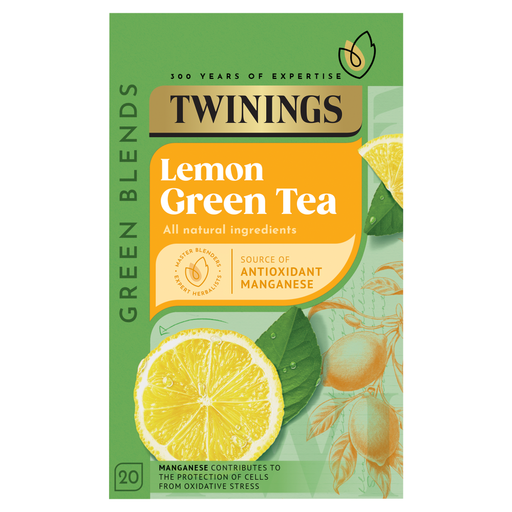
Twinings Lemon Green Tea, 20 bags
For a citrus-flavoured lunch-break cup when freshly boiled water is available. The matching Twinings product information lists green tea and natural lemon flavourings and specifies one bag in 200 ml of water for 3 minutes. This is not a decaffeinated blend.
Joybuy
 No image available
Tetley Decaffeinated Green Tea, 50 bags, 100g
A tea-bag option when reducing caffeine matters more than choosing a flavoured blend. It is described as decaffeinated green tea; check the current pack for brewing instructions and caffeine information relevant to your needs.
Joybuy
 No image available
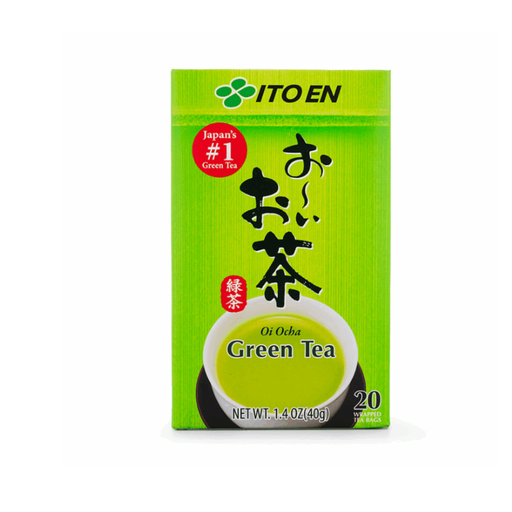
ITOEN OH-I OCHA Green Tea, 20 bags, 40g
A plain green-tea option if you prefer no added flavourings; green tea is the listed ingredient. Check the pack’s brewing instructions against the water and time available at lunch. It is not described as decaffeinated.
Joybuy
 No image available
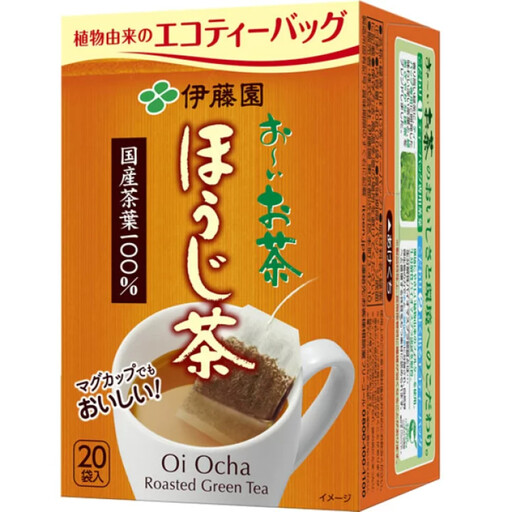
Itoen Oi Ocha Hojicha Premium Roasted Green Tea, 20 × 1.8g
A roasted green-tea choice if that profile appeals more than an unroasted plain tea. Green tea is the listed ingredient. The product description uses low-caffeine wording without a per-cup figure, so choose a specifically decaffeinated product instead if caffeine reduction is your deciding requirement; check the pack for brewing instructions.
Joybuy
 No image available
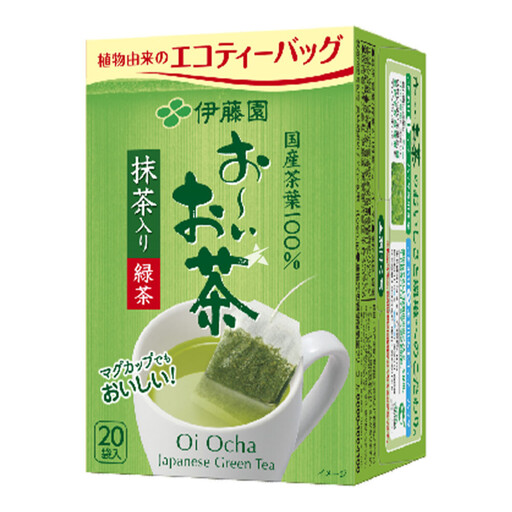
Itoen Oi Ocha Green Tea with Matcha, 20 × 1.8g
A tea-bag option if you specifically want green tea combined with matcha; both are listed as ingredients. Check the current pack’s brewing method for your lunch-break setup, and do not assume the blend improves concentration or reduces caffeine.
Joybuy
Questions about green tea at lunch
Which green tea is straightforward to make during a short lunch break?
Choose a tea bag whose stated method matches the hot water and time available. Twinings UK specifies freshly boiled water and 3 minutes for Green Tea & Lemon, while Teapigs specifies 80°C water and at least 3 minutes for Green Tea with Mint; the latter needs more temperature control.
Is green tea caffeine-free?
No: Twinings UK notes that green tea naturally contains caffeine. If reducing caffeine matters, look for a product explicitly described as decaffeinated rather than relying on a flavour name.
Should I have green tea with an iron-rich lunch?
The UK Scientific Advisory Committee on Nutrition advises against consuming tea with iron-rich foods because tea inhibits iron absorption. If lunch is intended to provide iron, have the tea at another time.
Should I check the pack even if I have read the ingredients online?
Yes, especially if you have an allergy, intolerance or strict dietary requirement. Tesco says formulations and dietary or allergen information can change, so read the current pack rather than relying solely on an online listing.
Should I choose a matcha blend for better concentration in lectures?
Choose a matcha blend for its ingredients and flavour, not a promised improvement in concentration. Pukka describes Supreme Matcha Green as a green-tea-and-matcha blend, but that product description does not establish an effect on studying.


