Care-home catering teams planning around 240 servings
Compare one 250-envelope catering box with smaller packs that make an exact count. Bag format matters as well as quantity when staff are preparing and serving drinks.


For one catering box, Clipper’s 250 individually enveloped green-tea bags suit a plan for around 240 servings if ten extra bags are acceptable. Three Twinings 80-bag packs give exactly 240, but require separate retail packs; where caffeine reduction matters, choose a decaffeinated option only in line with individual care advice.
Compare one 250-envelope catering box with smaller packs that make an exact count. Bag format matters as well as quantity when staff are preparing and serving drinks.
Consider each resident’s preferences and the help they need to drink. Somerset NHS Foundation Trust notes that dementia or physical frailty can affect a resident’s ability to drink and the support staff need to provide.
Keep a decaffeinated green-tea option distinct from standard green tea when reducing caffeine fits an individual care plan or clinical advice.
Decide whether one catering box, an exact bag count or a decaffeinated choice matters most, then check how the drink will fit individual care and service routines.
| Priority | What to check | Your needs |
|---|---|---|
| Count and format | Check that the product is green tea, not black tea. Clipper lists 250 individually enveloped bags in one catering box; Twinings lists 80-bag packs, so three make 240. | I need to know whether one box is important, or whether staff can handle several packs to reach an exact count. |
| Resident choice and support | Check drink preferences, the support needed to drink and any individual care instructions. The Care Quality Commission’s Regulation 14 guidance calls for food and drink provision to take people’s needs and preferences into account. | A bulk green-tea order should still leave room for other drinks and for residents who need help with drinking. |
| Caffeine | Distinguish standard from decaffeinated green tea and follow individual caffeine guidance. NHS Tayside identifies green tea as a source of caffeine; Joybuy describes the Tetley decaffeinated 50-bag product as decaffeinated to 0.2%. | If caffeine reduction is part of a resident’s plan, I need a clearly identified alternative rather than assuming ordinary green tea is caffeine-free. |
| Ingredients and allergens | Read the current label and supplier specification for the exact product, particularly for flavoured tea. Follow the home’s allergen-control procedures; Food Standards Agency guidance addresses control of regulated allergens and cross-contamination. | Before adding a tea to the drinks menu, I need its delivered ingredients to fit residents’ individual requirements. |
Tesco lists a 240-bag Tetley product alongside green-tea products, but the count alone does not establish that it is green tea.
Check both the tea type and quantity on the exact product listing and delivered pack. For exactly 240 green-tea bags, three Twinings 80-bag packs are a documented route.
A bulk order cannot settle individual preferences, drinking support or caffeine needs. NHS Tayside notes that caffeine can worsen some bladder and bowel symptoms.
Offer green tea within a wider choice of drinks and follow each resident’s care plan and relevant clinical instructions.
Clipper’s 250-envelope catering product and its 80-bag pure green tea are different pack formats. One cannot be treated as an identical substitute for the other.
Before ordering, check the exact product name, bag count, wrapping format and current label against the home’s service requirements.
Clipper lists an Organic Fairtrade Pure Green Tea catering box containing 250 individually enveloped bags.
Twinings lists Pure Green Tea in 80-bag packs.
Tesco lists Tetley standard and decaffeinated green teas in 50-bag packs.
The teapigs green-tea range includes Mao Feng and green tea with mint.
Tesco’s green-tea listing includes products from Clipper, Twinings, Tetley and other brands.
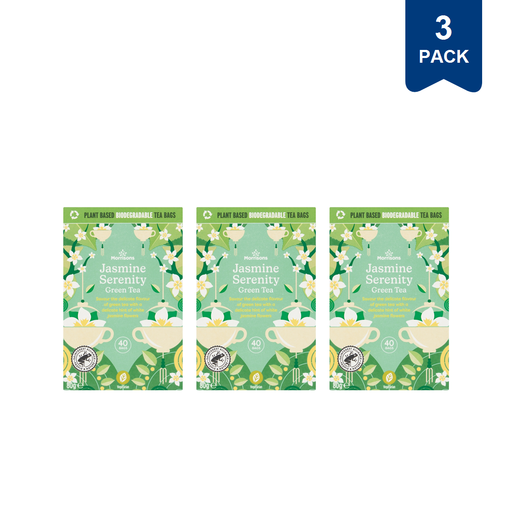
These options are a decaffeinated 50-bag pack and a jasmine green-tea bundle of three 40-bag packs. Both involve ordering more than one unit to plan for around 240 bags; neither is a single 240-bag catering box.
 No image available
Consider this decaffeinated choice where reducing caffeine fits a resident’s individual care advice. Joybuy describes it as decaffeinated to 0.2%; five 50-bag packs provide 250 bags, rather than one catering box. Check the bag-wrapping format if it affects service, and follow individual instructions for anyone needing adapted drinks.
 No image available
This jasmine green-tea bundle contains three 40-bag packs; two bundles would provide exactly 240 bags. It is not one catering box. Check the delivered label for the exact ingredients and flavour details, and confirm the bag format before choosing it for the home’s service routine.
No single drink should replace attention to individual needs and preferences. The Care Quality Commission’s Regulation 14 guidance says providers must meet people’s nutrition and hydration needs and take their preferences into account; follow each resident’s care plan when offering green tea alongside other drinks.
No. NHS Tayside identifies green tea as a source of caffeine and notes that caffeine can worsen some bladder and bowel symptoms. Check whether a decaffeinated product fits the resident’s individual care or clinical advice rather than assuming either type suits everyone.
Follow the resident’s medicines-management process and clinical advice before making a significant dietary change. Cambridge University Hospitals advises people taking warfarin to discuss significant dietary changes with their doctor and to keep their intake of vitamin-K-containing foods consistent.
Check the current ingredients and allergen information for the exact delivered product, particularly if it is flavoured. Ingredient statements for one pure green-tea SKU should not be applied to another product; Food Standards Agency guidance also calls for control of regulated allergens and cross-contamination.