If you want a fuller tea character during a coffee break, consider a green-and-black blend: Twinings UK lists its version as 70% green tea and 30% black tea and describes its flavour as rich. Choose a matcha blend for a green-tea profile that includes matcha, or pure green tea if you prefer the lighter profile described for the examples here. Flavour strength does not establish how much caffeine a tea contains.
Who is this choice for?
Commuters changing their coffee-break drink
If you want a tea with more body than the delicate pure-green examples described by their makers, a green-and-black blend is worth considering. It is a different tea recipe, not a measured caffeine equivalent to coffee.
Green-tea drinkers choosing by flavour
If a green-tea profile matters more than a robust cup, compare pure teas with matcha-containing blends. Follow the preparation instructions for the tea you choose before judging its flavour.
Commuters keeping track of caffeine
Green tea and matcha can contain caffeine, so a strong-tasting cup is not a useful measure of intake. Check the product label when the amount matters to your daily total.
What should you check?
Start with the kind of tea you want to drink, then check whether its preparation and caffeine information work for your commute.
| Priority |
What to check |
Your needs |
| Tea composition |
Read the ingredients rather than relying on a ‘strong’ description. Twinings UK lists its Green Tea & Black Tea Blend as 70% green tea and 30% black tea; pure green tea and green tea with matcha are different recipes. |
I want a more substantial tea for my usual coffee break, and I am happy to choose a blend containing black tea. If I want pure green tea, I would rather keep that flavour profile than assume it will taste bold. |
| Brewing |
Follow the instructions for the exact tea. Teapigs UK specifies 80°C water and three minutes for its Mao Feng tea temples; Clipper advises cooling boiled water for a minute and infusing its Pure Green bags for one to three minutes. |
At home or beside a workplace kettle, I want a method I can repeat without leaving the bag in while I get ready to leave. |
| Caffeine |
Check the product’s caffeine information and the serving you drink. Matcha and green tea can contain caffeine; taste alone cannot establish an amount. The NHS advises a maximum of 200mg of caffeine a day during pregnancy, counting all sources. |
I want to keep track of caffeine across my drinks rather than treat a fuller-tasting tea as a coffee-equivalent dose. |
| Travel format |
Decide whether you can brew tea before leaving, have access to a kettle later, or need a drink that requires no brewing. Check the pack size if you plan to carry individual servings. |
Some days I can make a tea before travelling; on others, I need a format that fits the journey without a brewing step. |
Mistakes to avoid
-
Reading ‘strong’ as a caffeine amount
A flavour description does not tell you how many milligrams of caffeine are in a serving. Green tea and matcha can contain caffeine, but the amount needs product-specific information.
Check the label when tracking your intake and count caffeine from other drinks too. During pregnancy, the NHS advises no more than 200mg of caffeine a day in total.
-
Trying to force a bolder cup with just-boiled water
A harsher taste will not tell you whether a tea better suits your commute. Green teas can have different preparation instructions.
Start with the pack method: Teapigs UK specifies 80°C and three minutes for Mao Feng tea temples, while Clipper advises cooling boiled water for a minute before infusing its Pure Green bags for one to three minutes.
-
Expecting every pure green tea to resemble black tea
Teapigs describes its Mao Feng as delicate, and Clipper describes its Pure Green as light. Those descriptions may not fit a shopper seeking a robust tea for a coffee break.
If that fuller character is the priority, compare the ingredients of a green-and-black blend. If a pure-green recipe matters more, choose on that basis rather than on an expectation of black-tea-like flavour.
Relevant brand references
These examples distinguish tea recipes and preparation methods; a brand’s flavour description is not an independent taste comparison.
Twinings
Twinings UK offers both Pure Green Tea and a Green Tea & Black Tea Blend, making the recipe the important distinction here.
- Twinings UK lists the blend as 70% green tea and 30% black tea.
- Twinings describes its Pure Green Tea as smooth, earthy and mellow; its description of the blend as rich is the maker’s own flavour assessment.
Pukka
Pukka’s Supreme Matcha Green is a green-tea blend containing matcha, offered in a sachet format.
- Pukka describes the blend as smooth and offers a 40-sachet pack.
- Pukka confirms that matcha green tea contains caffeine; that does not establish a caffeine amount for comparison with another tea.
Teapigs
Teapigs Mao Feng is a pure green tea in a tea-temple format for someone willing to pay attention to brewing.
- Teapigs UK specifies 80°C water and a three-minute brew for its Mao Feng tea temples.
- The maker describes Mao Feng as delicate, rather than as an extra-bold tea.
Clipper
Clipper’s Organic Fairtrade Pure Green offers a pure-green-tea bag for shoppers prioritising that recipe and the stated sourcing attributes.
- Clipper advises cooling boiled water for a minute, then infusing the bag for one to three minutes.
- Clipper calls this tea light and delicate, so its own flavour description does not suggest a robust cup.
Green-tea options on Joybuy
These options cover tea bags, roasted and matcha variants, and 330ml matcha green-tea packs. Choose by the recipe and format you want; their order is not a taste or caffeine comparison.
 No image available
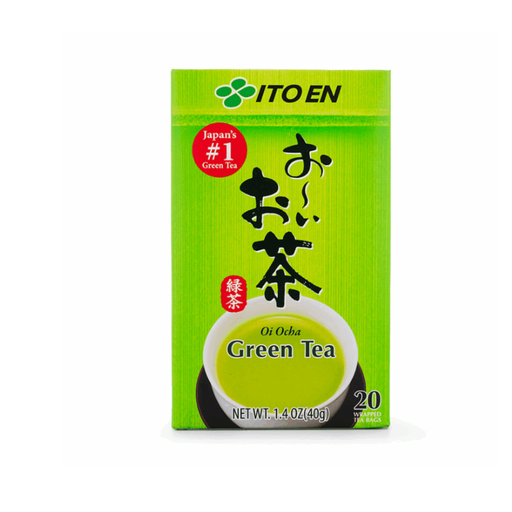
ITOEN OH-I OCHA Green Tea Bags, 20 bags (40g)
Consider this bag format if you can brew tea before travelling or at work. Check the pack’s brewing directions and caffeine information when those details affect your routine; a bold-flavour description is not a measured comparison with other teas.
View on Joybuy
 No image available
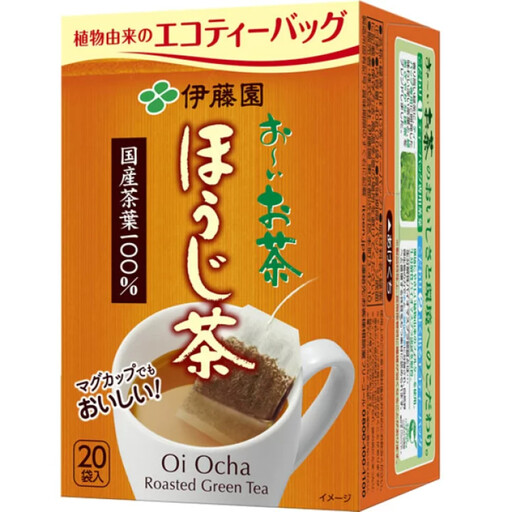
Itoen Oi Ocha Hojicha Premium Roasted Green Tea, 20 × 1.8g
The roasted Hojicha variant is an option to consider if you want a different flavour direction from plain green tea. Its pack names 20 portions of 1.8g; check the brewing directions and caffeine information rather than assuming roasting establishes either flavour intensity or caffeine content.
View on Joybuy
 No image available
Itoen Oi-Ocha Matcha Green Tea Pack, 330ml
This 330ml matcha green-tea pack is worth considering when you want a commute option without brewing tea bags. Check its label for caffeine information if you are tracking your intake; matcha in the name does not establish a comparable caffeine amount or bolder flavour.
View on Joybuy
 No image available
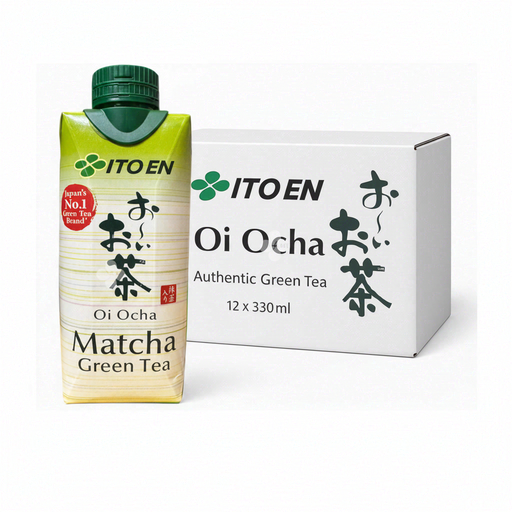
ITOEN Oi-Ocha Matcha Green Tea Pack, 12 × 330ml
Choose the 12 × 330ml variant if a multipack fits how you plan to use matcha green tea during the week. Compare its pack details with the single 330ml variant and check caffeine information per drink if that matters to you.
View on Joybuy
 No image available
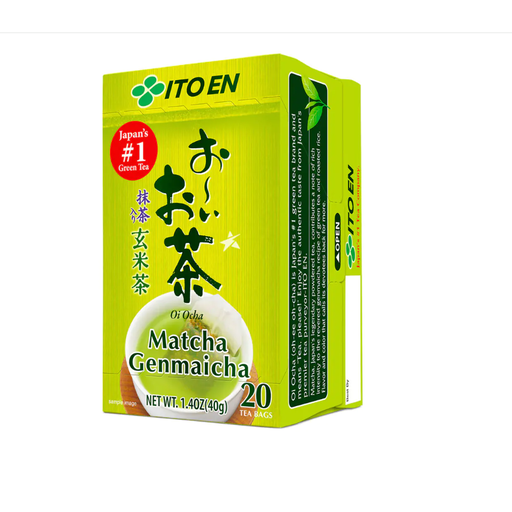
Itoen Oi Ocha Japanese Matcha Genmaicha Tea Bags, 20 bags (40g)
Consider this Genmaicha variant if you want to compare a blended tea with a plain green-tea bag for your commute. The pack names 20 bags and 40g; check its ingredients, brewing directions and caffeine information for the distinctions that matter to you.
View on Joybuy
Common questions
Which tea should I consider for a fuller coffee-break cup?
Consider a green-and-black blend if you are happy to move beyond pure green tea. Twinings UK lists its blend as 70% green tea and 30% black tea and describes it as rich; Teapigs and Clipper describe the pure-green examples here as delicate or light. Those maker descriptions are not a measured taste comparison.
Should I use boiling water to make green tea taste stronger?
Start with the instructions for the tea rather than using just-boiled water to force a stronger taste. The UK Tea & Infusions Association advises slightly cooler water for green tea; Teapigs UK specifies 80°C and three minutes for Mao Feng tea temples, while Clipper advises cooling boiled water for a minute before brewing its Pure Green bags.
Does stronger flavour mean more caffeine?
No: flavour is not a caffeine measurement. Pukka says matcha green tea contains caffeine, and Teapigs identifies caffeine in its Mao Feng green tea, but those statements do not establish which drink contains more per serving. Check product-specific caffeine information when comparing your options.
How does green tea count towards caffeine intake during pregnancy?
Count caffeine from green tea alongside caffeine from other drinks and foods. NHS guidance advises pregnant people not to have more than 200mg of caffeine a day; check the amount for the tea and serving you drink rather than treating green tea as caffeine-free.


