Hosts serving several guests
Individually portioned bags make it easier to prepare separate cups. If you prefer loose tea, allow time to measure portions and strain each brew.


For a coffee morning, choose the green-tea style and flavour your guests are likely to enjoy rather than relying on a ‘strong’ label or a longer steep. Bags make individual cups straightforward; loose leaf gives you more control over portions but needs a strainer and careful preparation. The UK Tea & Infusions Association advises water at around 80°C for green tea, while the steeping time should follow the product’s directions.
Individually portioned bags make it easier to prepare separate cups. If you prefer loose tea, allow time to measure portions and strain each brew.
Plain green tea, roasted styles and blends offer different flavour directions. Choose the style you want rather than assuming an extended steep will produce a better cup.
Keep the packaging available so guests can distinguish plain tea from blends and check ingredients. Green tea should not be presented as caffeine-free; provide a separately labelled alternative if needed.
Start with the flavour and ingredient choice, then decide how much preparation you can manage while serving the group.
| Priority | What to check | Your needs |
|---|---|---|
| Flavour style | Compare plain tea with roasted, matcha or other blends. Treat a product’s flavour description as a description, not a strength ranking. | I’d like a tea whose flavour stands up alongside coffee, without assuming that ‘strong’ means the same thing on every pack. |
| Group serving | Check the number of bags or portions. For loose leaf, plan how you will measure and strain each brew. | When several people want tea at once, individual portions would make serving simpler. |
| Brewing directions | The UK Tea & Infusions Association advises around 80°C water for green tea. Follow the chosen product’s steeping time rather than extending it by default. | I want to make repeatable cups without relying on a longer steep to deliver the flavour I’m after. |
| Ingredients and caffeine | Read the exact blend ingredients and distinguish regular green tea from a product specifically labelled decaffeinated or caffeine-free. | Some guests may prefer plain tea, need to check a blend’s ingredients or ask for a separate caffeine-free drink. |
A flavour description alone cannot tell you how one tea compares with another when they use different leaves, blends or brewing directions.
Choose a style and format first. If a pronounced flavour matters to your guests, try a small cup before the coffee morning.
Green tea has different preparation guidance from black tea. The UK Tea & Infusions Association advises water at around 80°C for green tea, and individual products give their own steeping times.
Follow the pack directions and make a trial cup if you are preparing tea for several people.
Matcha and botanical blends can contain different ingredients from plain green tea, which matters when guests have flavour or ingredient preferences.
Label the choices clearly and retain their packaging for ingredient checks.
Regular green tea can contain caffeine; its name alone does not establish a measured amount per cup.
Check the product label and offer a separately verified decaffeinated or caffeine-free choice when a guest requests one.
Twinings UK lists both bagged green teas and loose-leaf choices, including Gunpowder Green and Long Jing.
Clipper’s Organic & Fairtrade Green Tea is a bagged, plain-green-tea option.
Pukka’s UK green-tea range includes matcha blends such as Supreme Matcha Green and Mint Matcha Green.
Teapigs lists Mao Feng alongside other green-tea styles in its UK range.
These options cover portioned plain, roasted and blended green teas, plus a loose-leaf choice for hosts who want to measure their own servings. They are different flavour routes, not a ranking by strength.
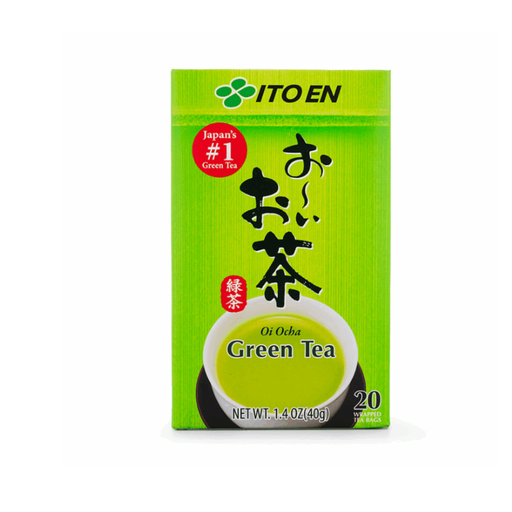 No image available
The 20 bags offer individual portions when serving a group. Check the pack’s brewing directions before preparing several cups.
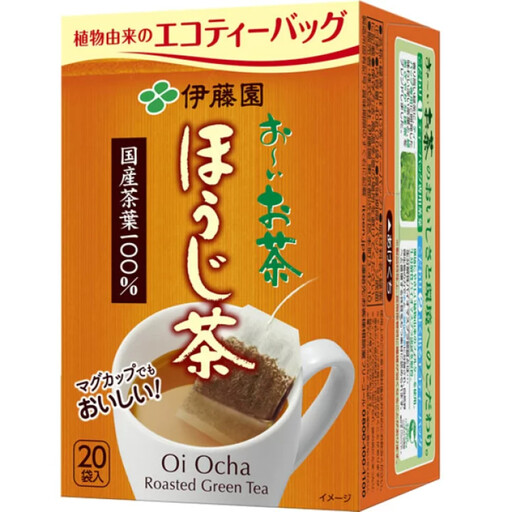 No image available
Consider this bagged roasted-green-tea style if guests prefer that flavour direction to plain green tea. Do not treat it as caffeine-free; check the pack if caffeine matters to a guest.
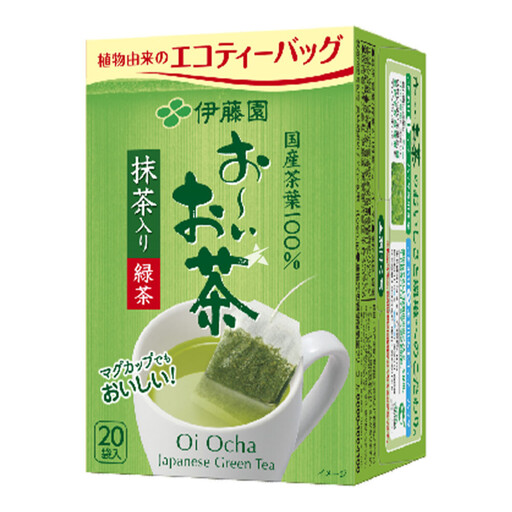 No image available
This portioned green-tea-and-matcha option suits a table offering a blend alongside plain tea. Check the pack for its ingredients and brewing directions.
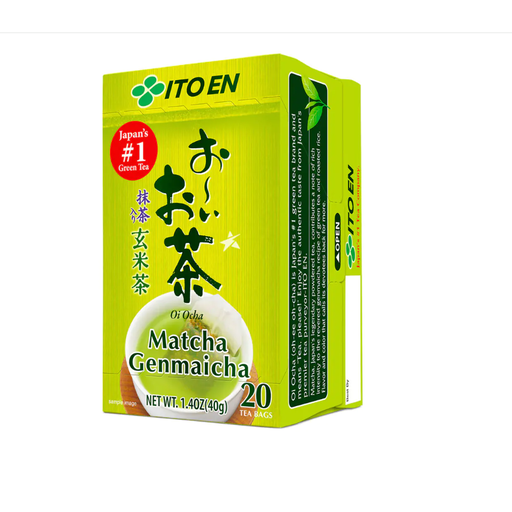 No image available
The 20-bag matcha genmaicha format provides individual portions for guests choosing a blend rather than plain green tea. Keep the pack available for ingredient and brewing checks.
 No image available
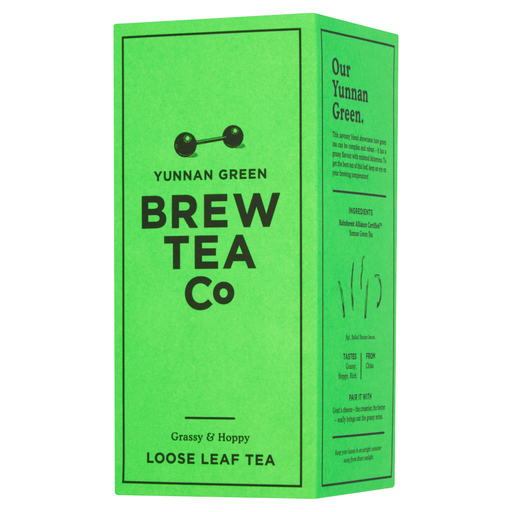
Choose the loose-leaf format if you can measure portions and strain the tea while serving. Follow the pack’s brewing directions rather than assuming a longer steep will make it stronger.
Not necessarily: choose the flavour style first, then follow that product’s directions. The UK Tea & Infusions Association advises water around 80°C for green tea; Clipper specifies 1–3 minutes for its Organic & Fairtrade Green Tea, while Teapigs specifies three minutes at 80°C for Mao Feng.
Bags or individually portioned tea temples simplify serving separate cups. Loose leaf is another option if you can measure each portion, use a strainer and follow the tea’s brewing directions.
Offering both gives guests a choice between plain tea and a different flavour direction. Clipper lists a plain green tea, while Pukka’s UK range includes matcha blends; check the exact pack ingredients before serving.
No, regular green tea should not be assumed caffeine-free. If a guest asks to avoid caffeine, offer a separate product specifically labelled caffeine-free or check the label of a decaffeinated option rather than relying on the tea’s flavour or style.