What should you check before ordering?
Choose the service format and a plain base tea first, then decide whether extra flavours or a separately labelled decaffeinated option belong on the station.
| Priority |
What to check |
Your needs |
| Portions and replenishment |
Compare the pack count with your service plan. Check whether bags are individually enveloped if attendees will select portions from an unattended station. |
I want portions that are straightforward to set out and restock during breaks, without requiring attendees to measure loose tea. |
| Plain tea or flavours |
Read the product name and current ingredient list for each variant. Twinings UK lists ginger, lemon, jasmine and mint in its individually enveloped Classic Collection. |
An unflavoured choice matters at this event, but a few clearly named flavours could give guests more choice. |
| Brewing method |
Match the pack instructions to the venue equipment. Twinings UK directs freshly boiled water and a three-minute infusion for Pure Green; Teapigs UK recommends 80°C water and three minutes for Mao Feng. |
If the station has only a boiling-water urn, I need to know whether the selected tea’s instructions suit that setup or require staff preparation. |
| Caffeine and specialist blends |
Distinguish standard from decaffeinated green tea. Check the ingredients and caffeine description of matcha or botanical blends; Yogi Tea UK labels Green Energy as containing caffeine and lists guarana among its ingredients. |
A decaffeinated choice or a more distinctive blend may be useful, provided attendees can tell it apart from ordinary green tea. |
| Ingredient information |
Keep the current packaging or supplier specification for every tea served, including substitutions. The Food Standards Agency’s guidance for England, Northern Ireland and Wales and Food Standards Scotland’s guidance both address allergen information for prepacked and non-prepacked drinks. |
Staff need product-specific information to answer questions about the tea actually available at the station. |
Relevant brand ranges
These examples illustrate different service formats and blend types; check the exact product and pack selected for your event.
Clipper
Clipper Tea Shop lists Organic Fairtrade Pure Green Tea in a 250-envelope catering format.
- A plain green-tea option with individually enveloped portions and a stated one-to-three-minute infusion.
- Confirm the current pack details for the specific order before using them for station signage or ingredient enquiries.
Twinings
Twinings UK lists Pure Green tea and a separately named, individually enveloped Classic Collection of flavoured green teas.
- The collection names ginger, lemon, jasmine and mint variants for a small flavour selection.
- Keep ingredient information for each variant available; the collection is not a substitute for an unflavoured option when one is needed.
Teapigs
Teapigs UK lists pure Mao Feng green tea in tea temples, with directions for one temple per person.
- Its stated 80°C water temperature and three-minute brew give staff a specific preparation method for a hosted break.
- Check whether that water temperature can be provided before placing it at an unattended boiling-water station.
Pukka
Pukka Herbs UK presents Supreme Matcha Green as a green-tea-and-matcha blend and lists a 40-sachet large pack as individually wrapped.
- Provides a named matcha blend when the event brief calls for an additional style.
- Treat it as a distinct blend rather than assuming it serves the same preference as plain green tea.
Yogi Tea
Yogi Tea UK lists Green Energy as a botanical green-tea blend containing caffeine.
- Its listed ingredients include green tea, guarana, peppermint, elderflower and ginger, making its profile clear enough to name separately on a menu.
- It is not an unflavoured green tea; retain its current ingredient information for attendee questions.
Green-tea options on Joybuy
These options include a plain tea for a base station, named flavoured blends and a decaffeinated alternative. Check each pack’s preparation and ingredient information when planning how it will be served.
 No image available
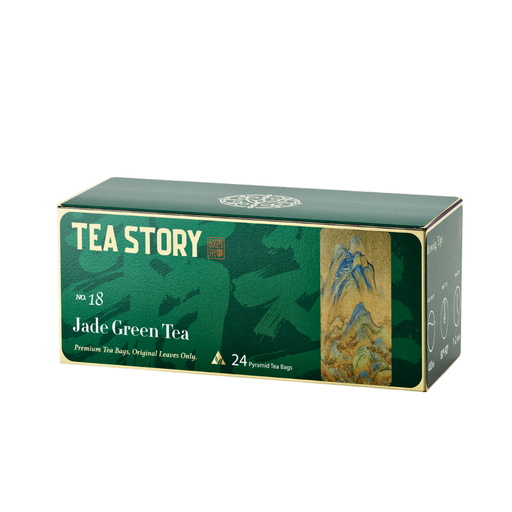
TEA STORY Jade Green Tea pyramid bags, 24 × 2g
A plain green-tea bag option for a base station. Check whether the pyramid bags are individually enveloped if separate wrappers matter for self-service, and keep the delivered pack’s ingredient information available.
View on Joybuy
 No image available
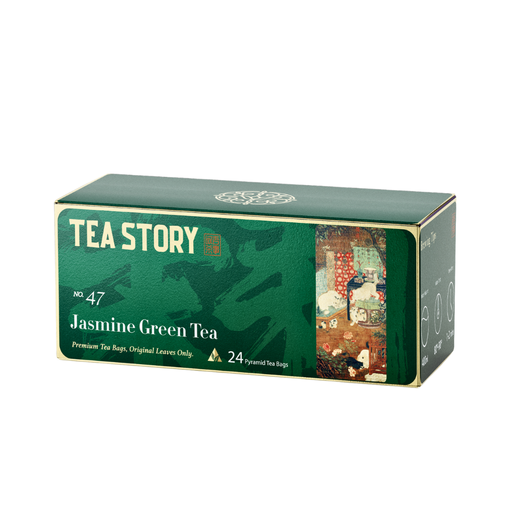
Tea Story Jasmine Green Tea, 24 × 2g
A jasmine option to place alongside plain tea. Its stated preparation uses 75–80°C water, so check whether staff can provide that temperature rather than relying on an unattended boiling-water urn. Keep the delivered pack’s ingredient information available.
View on Joybuy
 No image available
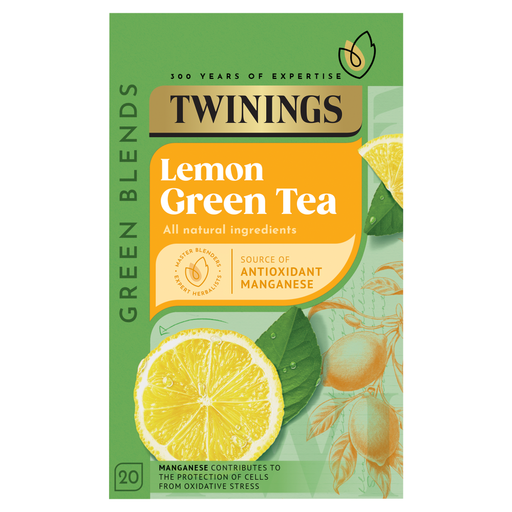
Twinings Lemon Green Tea, 20 pack
A named citrus choice for a station that also offers plain green tea. Check this pack’s brewing directions and whether the bags have individual envelopes before setting out preparation instructions.
View on Joybuy
 No image available
Tetley Decaffeinated Green Tea, 50 tea bags, 100g
A separately labelled decaffeinated choice when the conference brief calls for one. Describe it as decaffeinated, not caffeine-free, and check the pack’s brewing directions before preparing station signage.
View on Joybuy
 No image available
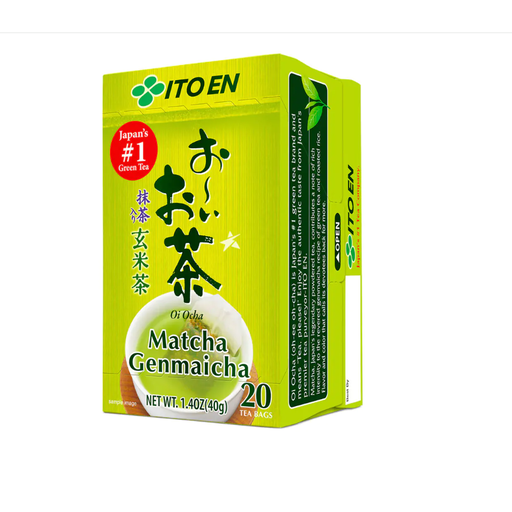
Itoen Oi Ocha Matcha Genmaicha, 20 tea bags, 40g
A named matcha genmaicha option rather than an unflavoured green tea. Check its current ingredient list, brewing directions and wrapping format before adding it to a self-service station.
View on Joybuy
Conference green-tea questions
What ingredient information should be available at a conference tea station?
Keep the current pack or supplier specification for every tea served, including flavoured blends and substitutions, so staff can answer questions about the actual product. The Food Standards Agency’s guidance for England, Northern Ireland and Wales and Food Standards Scotland’s guidance both cover allergen information for prepacked and non-prepacked food and drink.
Should plain green tea be the only choice?
A plain tea is a practical starting point for self-service, but a small, clearly labelled flavour selection can suit an event that calls for more choice. Check each variant’s ingredients and retain an unflavoured option if guests may want one.
When is decaffeinated green tea worth adding?
Add a distinctly labelled decaffeinated product when the event brief calls for that choice. Twinings UK notes that standard green tea contains naturally occurring caffeine; check the selected decaffeinated pack’s wording rather than calling it caffeine-free.
Can every green tea be made with boiling water?
No single instruction covers every product. Twinings UK directs freshly boiled water and a three-minute infusion for its Pure Green tea, while Teapigs UK recommends 80°C water and three minutes for Mao Feng. Match the selected pack’s instructions to the venue equipment.
Can a botanical blend take the place of plain green tea?
Treat it as a separate, named choice. Yogi Tea UK lists guarana, peppermint, elderflower and ginger in Green Energy alongside green tea, and labels the product as containing caffeine. Check the current pack’s ingredients before serving it.


