People replacing sweetened hot drinks
Diabetes UK includes unsweetened tea among suitable drinks for people living with diabetes. If you usually sweeten a hot drink, consider how you will prepare the cup as well as which tea you buy.


For an everyday cup, start with brewed green tea that you drink without added sugar: Diabetes UK includes unsweetened tea among suitable drinks for people living with diabetes. Plain tea keeps the ingredients simple; a flavoured or matcha blend calls for a check of its ingredients and prepared nutrition, while decaf is the route to consider if you want to reduce caffeine. None of these choices is a diabetes treatment.
The useful distinction is between the tea bag, the drink you prepare and any sugar added afterwards.
Diabetes UK includes unsweetened tea among suitable drinks for people living with diabetes. If you usually sweeten a hot drink, consider how you will prepare the cup as well as which tea you buy.
Standard green tea naturally contains caffeine. A product explicitly labelled decaffeinated offers a different choice, though its pack is the place to check any caffeine information you need.
Mint or lemon may appeal if plain green tea is not to your taste. Check the particular blend’s ingredients and prepared nutrition rather than assuming its flavour name tells you whether the drink contains sugar.
Choose the flavour and caffeine option you want, then check the nutrition for the drink as prepared. A brewed tea bag and a sweetened ready-to-drink tea are different products.
| Priority | What to check | Your needs |
|---|---|---|
| Prepared drink | Read sugars and carbohydrate values for the brewed tea, including the stated brewing basis. Check ready-to-drink tea separately and account for anything added to the cup. | I want an everyday hot drink without routinely adding sugar. Diabetes UK includes unsweetened tea among suitable drinks for people living with diabetes. |
| Caffeine | Check whether the exact tea is labelled decaffeinated and read any caffeine statement on its pack. Do not infer decaf status from mint, lemon or matcha in the name. | If I want to reduce caffeine, I would choose an explicitly decaffeinated product rather than standard green tea. Green tea and matcha naturally contain caffeine, according to Pukka. |
| Flavour and ingredients | Compare a plain tea’s ingredient list with that of a flavoured blend. Check prepared nutrition as well as ingredients: a flavour name alone does not establish the drink’s sugar content. | Plain tea appeals if I want a short ingredient list; mint or another flavour may suit me better if I prefer that taste without sweetening the cup. |
| Allergens and changes | Read the current pack’s ingredients, allergen information and nutrition, especially for a multi-ingredient blend. Check the pack again when buying a familiar product. | With an allergy, intolerance or specific dietary requirement, I need information for the formulation I am actually buying. |
Twinings reports 0 g sugars per 100 ml for its Pure Green Tea brewed with 200 ml water for two minutes. That figure does not describe a cup with sugar added or a bottled green-tea drink.
Check nutrition for the product as prepared, and treat bottled, syrup-sweetened and café drinks as separate choices.
Ingredients and brewed nutrition can help you choose a drink, but they do not establish that green tea treats diabetes or replaces an individual care plan.
Choose according to taste, prepared nutrition and caffeine preference. Discuss changes to blood-glucose management with your diabetes professional.
Green tea naturally contains caffeine, and Pukka says that matcha contains caffeine too. A mint flavour does not change the need to check the exact product.
If reducing caffeine matters, look for a specifically decaffeinated green tea and read its current pack.
Tesco warns that food ingredients, nutrition and allergen information can change when products are reformulated.
For an allergy, intolerance or strict dietary requirement, check the pack in hand before use.
These examples illustrate differences in plain, flavoured, matcha and decaffeinated tea; a brand name alone does not settle the choice for a particular product.
Its UK range includes Pure Green Tea and Green Tea & Mint tea bags.
The range includes plain and decaffeinated green tea.
Mao Feng Green Tea is a plain-tea option sold as tea temples.
Its UK green-tea range includes Supreme Matcha Green and Mint Matcha Green blends.
Its own-label listings include Green Tea and Green Tea & Lemon.
These tea-bag options span lemon-flavoured, decaffeinated, mint-matcha, plain and roasted green tea. Compare the current pack with the prepared drink you want; a product’s name does not establish a diabetes benefit.
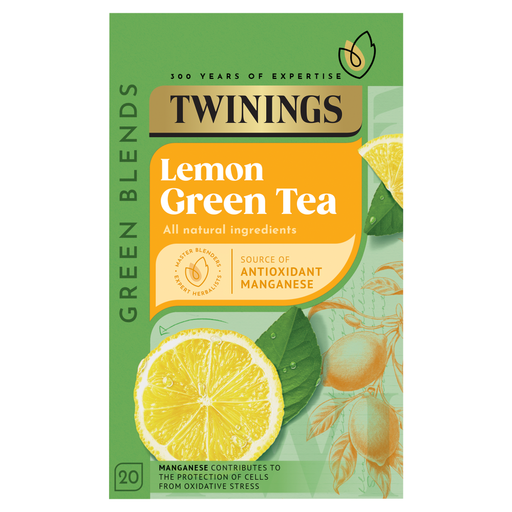 Image unavailable
A lemon-flavoured option if you prefer it to plain green tea. Check the current pack’s prepared nutrition and caffeine information for your needs; the name does not indicate that it is decaffeinated.
Image unavailable
An explicitly decaffeinated option for someone looking to reduce caffeine. Decaffeinated does not by itself mean caffeine-free; check the pack if a specific caffeine limit matters, alongside its prepared nutrition.
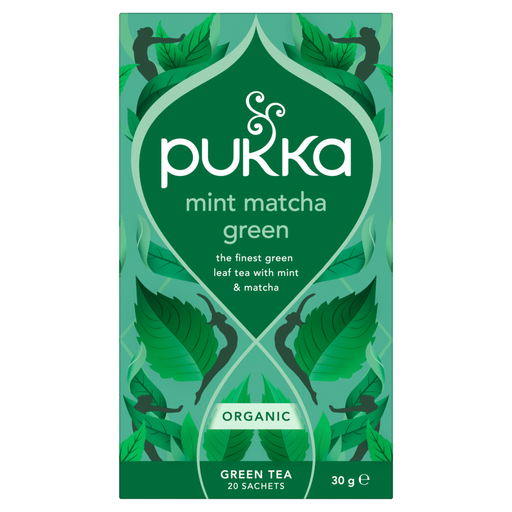 Image unavailable
A mint-and-matcha blend for someone seeking that flavour rather than plain tea. Pukka says matcha naturally contains caffeine; check the current pack’s ingredients, allergen information and prepared nutrition before choosing it for an everyday cup.
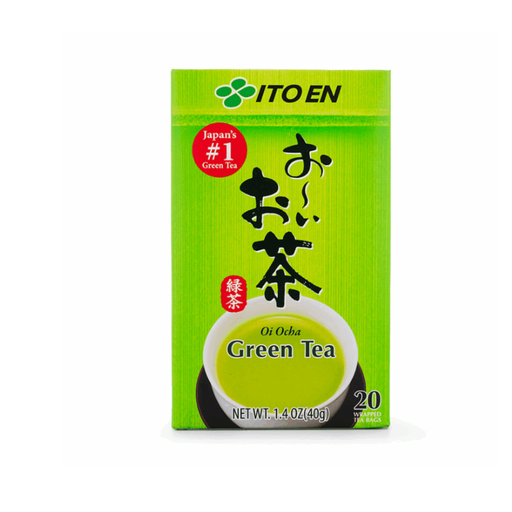 Image unavailable
A plain green-tea-bag option if you prefer an unflavoured cup. Check the pack’s ingredients and prepared nutrition; standard green tea naturally contains caffeine unless the product is specifically decaffeinated.
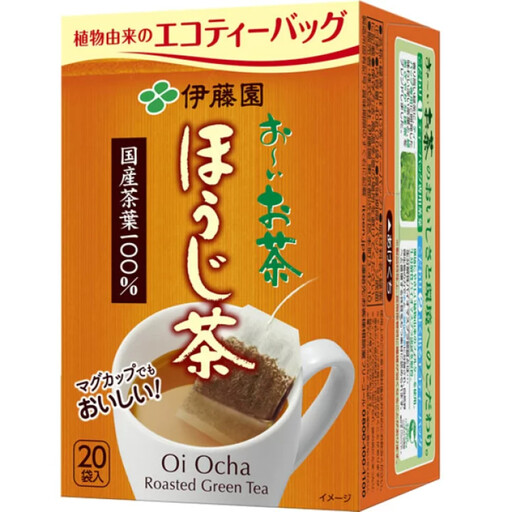 Image unavailable
A roasted green-tea style for someone who wants a different flavour from an unroasted plain tea. It is not identified as decaffeinated: check the current pack if caffeine matters, as well as its prepared nutrition.
Not solely because it is called green tea. Diabetes UK includes unsweetened tea among suitable drinks for people living with diabetes, so consider the drink as prepared: check sweetened ready-to-drink products separately and account for sugar added to the cup. Tea is not a substitute for your individual diabetes-care plan.
No special label is needed to choose a tea. Diabetes UK advises people with type 1 diabetes not to rely on foods labelled ‘diabetic’ or ‘suitable for diabetics’. For a tea purchase, compare its current ingredients and prepared nutrition, then consider how you will make the cup.
Do not assume so unless the exact product makes that claim. Choose a tea explicitly labelled decaffeinated if you want to reduce caffeine, and check its current pack if a specific limit matters; standard green tea naturally contains caffeine.
Yes, if an allergy or intolerance affects your choice. Check the current pack’s ingredients and allergen information, particularly for a multi-ingredient blend. Tesco notes that food product information can change when formulations change.