Students taking short revision breaks
Tea bags give you a portioned cup without measuring loose leaves or washing an infuser. Check the pack’s brewing instructions to see how long a cup will take.


For short revision breaks, tea bags avoid measuring leaves; choose loose leaf if you want to refill an airtight jar and are willing to use an infuser. A matcha-containing blend is a flavour choice, not a demonstrated study aid. If you revise near bedtime, check whether the tea is caffeinated and consider a decaffeinated option if caffeine disrupts your sleep.
Tea bags give you a portioned cup without measuring loose leaves or washing an infuser. Check the pack’s brewing instructions to see how long a cup will take.
Loose leaf makes sense if you are happy to measure and strain it. Choose an airtight container for opened tea and keep it in a cool, dry place.
Check whether the tea is standard or decaffeinated, particularly if caffeine affects your sleep or you have had other caffeinated drinks.
Choose the format for the break you actually take, then check its ingredients, storage instructions and caffeine information.
| Priority | What to check | Your needs |
|---|---|---|
| Preparation time | Check the brewing instructions and whether you need an infuser. Tesco Groceries specifies one bag per cup and a 3–5 minute infusion for its 20-bag green tea; loose-leaf instructions differ by product. | I want a cup during a short break without measuring leaves or cleaning a strainer. |
| Caffeine timing | Check whether the exact tea is caffeinated or decaffeinated. Twinings estimates around 30–40 mg of caffeine per 200 ml cup for its green tea; that figure should not be applied to every product. NHS Borders advises avoiding caffeinated drinks close to bedtime because they can disrupt sleep. | For evening revision, I need to consider caffeine from tea alongside my other drinks. |
| Jar storage | Read the pack’s storage directions and check that a jar closes airtight. Tesco Groceries instructs buyers to keep its green tea cool and dry and, once opened, in an airtight container. | I would like to refill a jar, but it needs to protect the tea after opening rather than merely look tidy. |
| Flavour and ingredients | Check whether you are buying plain green tea or a flavoured or matcha-containing blend. Read the exact ingredient list and brewing directions rather than treating the formats as interchangeable. | Sometimes I want plain tea; at other times I might prefer a blend for its particular flavour. |
A decorative jar that does not close airtight will not meet the storage instructions on the Tesco Green Tea pack.
Choose the tea first, then check that its storage container is clean, food-safe and airtight. Keep it away from damp and heat.
You may need a separate airtight container if you do not already have one.
Standard green tea can contain caffeine. NHS Borders advises that caffeinated drinks close to bedtime can disrupt sleep.
Check the exact product label for standard or decaffeinated tea, and consider the other caffeine-containing drinks you have had that day.
Loose-leaf preparation adds measuring, straining and clean-up; a storage jar does not remove those steps.
Choose loose leaf if you will use an infuser or strainer. If minimal preparation matters more, consider tea bags instead.
A strainer, infuser or suitable teapot may be another item to arrange.
Matcha-containing and flavoured products can have different ingredients from plain green tea, changing what you are buying for your break.
Read the product name and ingredient list, and choose a blend for its stated ingredients and flavour rather than an assumed revision benefit.
Tesco Groceries lists a 20-bag plain green tea option.
Twinings lists standard and decaffeinated green-tea bags, matcha powder and loose-leaf options in its UK range.
Clipper describes a range of organic and Fairtrade green teas, including plain and flavoured bags.
Teapigs provides separate tea-temple and loose-leaf preparation instructions for its Mao Feng Green Tea.
Pukka’s green-tea range includes matcha-containing and flavoured blends in sachets.
These options include portioned tea bags, a loose-leaf choice for a jar routine and a matcha-containing blend. Check each product’s label for the preparation, storage and caffeine details that matter to you.
 No image available
A portioned decaffeinated option to consider for later revision breaks. Check the label if the amount of caffeine remaining in a brewed cup matters to you.
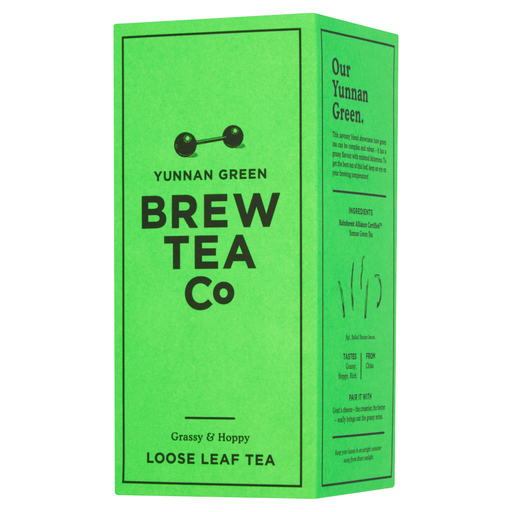 No image available
A loose-leaf option for someone planning to refill a jar. Allow for measuring and straining the tea, and check the pack’s brewing and storage instructions.
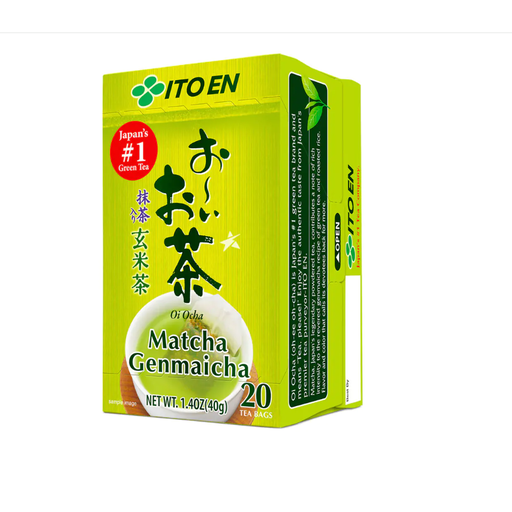 No image available
A portioned matcha genmaicha option when you want a blend rather than plain green tea. Check its ingredients and caffeine information for the exact product.
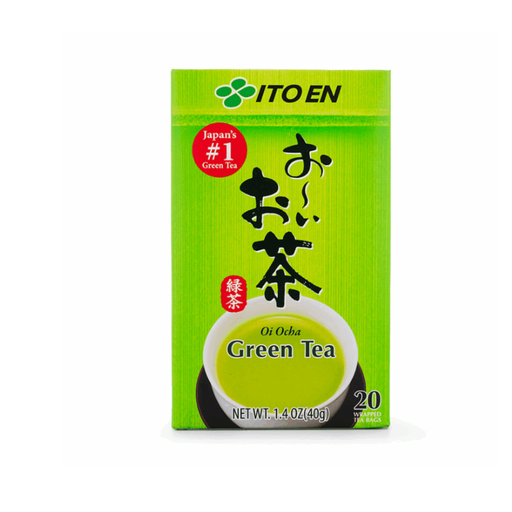 No image available
Portioned green tea bags for a short break. Check the pack for brewing directions and caffeine information, particularly if you plan to drink it late in the day.
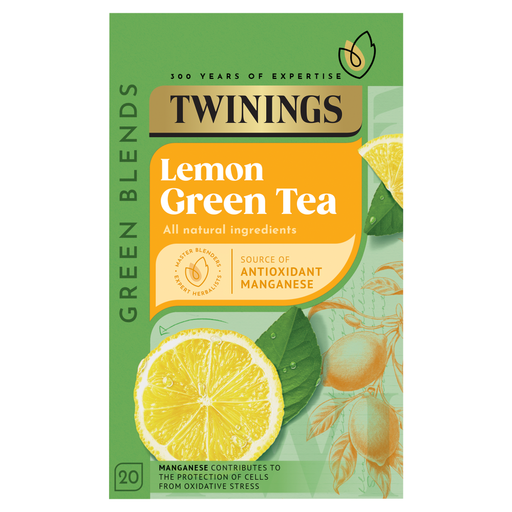 No image available
A portioned, lemon-flavoured alternative to plain green tea for a revision break. Read the ingredients and caffeine information if either affects your choice.
No. The listed options include bags, sachets, loose leaf and powder; a jar can instead hold tea after opening. Check the product’s storage instructions and use an airtight container when directed.
Follow the instructions on your pack. Tesco Groceries directs buyers to keep its Green Tea in a cool, dry place and, once opened, in an airtight container. Keep the product label with transferred tea so its details remain available.
It may not suit you if caffeine affects your sleep. NHS Borders advises avoiding caffeinated drinks close to bedtime because they can disrupt sleep; check whether the product is standard or decaffeinated and consider your other caffeine intake.
Plan to use an infuser, strainer or suitable teapot. Loose-leaf instructions from Twinings and Teapigs involve measuring leaves, unlike using a portioned tea bag.
Yes. The NHS says tea and coffee count as part of daily fluid intake and advises drinking caffeine in moderation because sensitivity varies between people.