What should you check before buying?
Work out which tea people will drink regularly, then compare pack counts and reserve smaller blends for particular tastes.
| Priority | What to check | Your needs |
|---|
| Pack count |
Compare the number of bags, not just the size of the box. Clipper lists 80 bags of Pure Green Tea; smaller packs may need replacing sooner if several people drink them regularly. |
We get through plain green tea regularly, so I want enough bags for a shared cupboard supply. |
| Flavour |
Check whether the tea is plain or flavoured and how many bags of each flavour are included. Twinings lists five each of ginger, lemon, jasmine and mint in its 20-envelope Classic Collection. |
Different people prefer different flavours, so I would rather try a small selection before buying one blend in quantity. |
| Ingredients and claims |
Read the individual product label for ingredients and sourcing claims. Clipper describes its 80-bag Pure Green Tea as organic and Fairtrade; Pukka says its Supreme Matcha Green blend contains 2% matcha, rather than being pure matcha powder. |
If I am buying specifically for organic or Fairtrade claims, or for matcha, I want the exact product to match that expectation. |
| Caffeine |
Check whether a product is labelled decaffeinated and look for its caffeine information. The NHS identifies tea as a caffeine source and advises no more than 200mg of caffeine a day from all sources during pregnancy. |
Someone in the household needs to keep track of caffeine, so the word “green” alone is not enough to guide my choice. |
| Brewing |
Follow the directions on the pack you buy. For its 80-bag Pure Green Tea, Clipper advises letting boiled water cool for a minute, then infusing the bag for 1–3 minutes. |
I want to prepare the tea as directed before deciding whether its flavour suits us as a regular purchase. |
Green tea options on Joybuy
These options cover a 50-bag decaffeinated green tea and smaller green-tea choices for particular tastes. Compare their formats with the amount your household normally drinks.
 No image available
Tetley Green Tea Decaffeinated, 50 tea bags, 100g
The 50-bag pack is an option for a shared cupboard when decaffeinated green tea is wanted. Decaffeinated does not mean caffeine-free; check the product’s caffeine information if the amount per cup matters.
View on Joybuy
 No image available
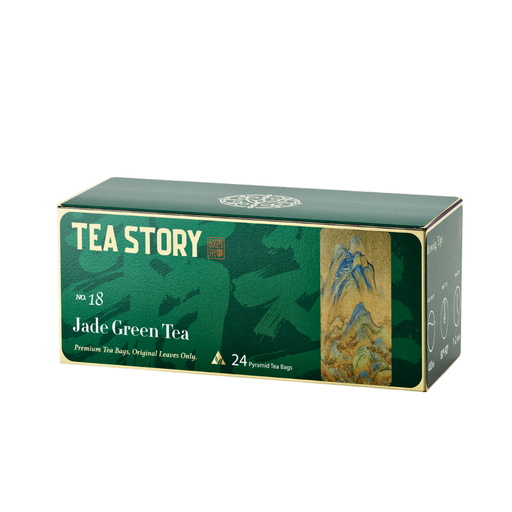
TEA STORY Jade Green Tea, spring first flush, 24 pyramid bags × 2g
This 24-bag green tea suits someone choosing a smaller pack rather than the household’s main high-count supply. The product name specifies pyramid bags and 2g per bag; check the packaging if an organic certification claim is important to you.
View on Joybuy
 No image available
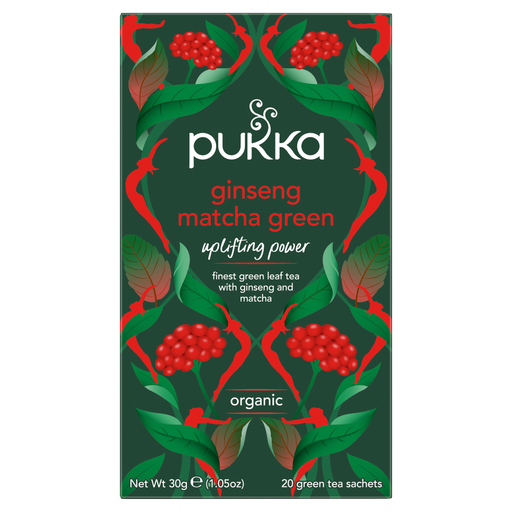
Pukka Ginseng Matcha Green, 30g
This is a matcha-named green-tea blend for a specific flavour preference, rather than an identified high-count plain-tea pack. The product name states 30g; check its ingredients, preparation format and number of servings before choosing it for a large household.
View on Joybuy
Frequently asked questions
What green-tea pack works for a large household?
A larger plain-green pack is a sensible starting point if most people regularly drink the same unflavoured tea. Clipper lists an 80-bag Pure Green Tea; check that its flavour suits the household before relying on it as the main supply.
Should I choose plain green tea or a flavoured collection?
Choose plain tea when drinkers already agree on an unflavoured cup; use a small collection when you need to establish which flavours people want. Twinings’ 20-envelope Classic Collection contains five each of ginger, lemon, jasmine and mint green tea.
How should I brew green tea?
Follow the directions for the exact tea you buy. For its 80-bag Pure Green Tea, Clipper advises boiling fresh water, leaving it to cool for one minute and infusing the bag for 1–3 minutes; those timings are not instructions for every green tea.
Is a matcha green-tea blend the same as pure matcha powder?
No. Pukka states that its Supreme Matcha Green contains 2% matcha as part of a green-tea blend. Check the ingredients of the specific product if you want pure matcha rather than a tea blend.
Does green tea count towards caffeine intake during pregnancy?
Yes. The NHS identifies tea as a caffeine source and advises no more than 200mg of caffeine a day from all sources during pregnancy. Check the specific tea’s labelling, including whether it is decaffeinated, rather than assuming that green tea contains no caffeine.


