New green-tea drinkers
Try a modest pack of plain tea bags to learn the base flavour, or a small mixed selection if you would rather sample several flavours. Neither route requires a separate storage jar.


Start with a modest pack of green tea bags rather than treating a jar as essential. Choose plain tea if you want to learn its flavour, or a named blend if that flavour appeals to you; a larger box makes more sense once you know what you will drink regularly.
For a first food shop, the useful distinction is between trying a flavour and stocking up on one you already know you like.
Try a modest pack of plain tea bags to learn the base flavour, or a small mixed selection if you would rather sample several flavours. Neither route requires a separate storage jar.
If organic and Fairtrade status matters to you, check the exact product. Clipper describes its 80-bag Pure Green Tea as organic and its tea as 100% traded in compliance with Fairtrade standards.
Mint, citrus, ginger, jasmine and matcha-containing options offer different starting points from plain green tea. Compare the ingredients and brewing directions of the particular blend you choose.
Choose a flavour and pack size first, then check the exact product for ingredients, caffeine wording and brewing instructions.
| Priority | What to check | Your needs |
|---|---|---|
| Flavour | Check whether the ingredients describe plain green tea or name additions such as mint, citrus, ginger, jasmine or matcha. A blend is not a like-for-like taste comparison with plain tea. | I want to find out what green tea itself tastes like, so I would start plain. If a named flavour appeals more, I would choose that blend deliberately. |
| Pack size | Compare the number of bags and flavours in the pack. The cited brand ranges include 80-bag plain teas, a 20-envelope mixed collection and a 15-tea-temple Mao Feng pack. | A smaller pack lets me try a tea without committing to many cups of the same flavour. Once I know I drink it regularly, a larger box may suit my routine. |
| Ingredients and claims | Read the exact ingredient list and look for product-specific organic, Fairtrade or decaf wording. Do not use general wellness language as a substitute for those details. | Organic or Fairtrade status matters to me only if it applies to the pack I am buying; I also want to know whether added ingredients change the blend. |
| Caffeine | Look for an explicit decaffeinated designation if reducing caffeine matters. Do not assume a light-tasting or flavoured green tea is decaf. | If caffeine is a deciding factor, I need to check the particular pack rather than rely on the name of the wider green-tea category. |
| Preparation and storage | Follow the product’s water and infusion directions; they vary between teas. Check its storage instructions before deciding whether you want another container. | I want a brew I can prepare with the equipment I have, and I would rather use the pack properly than buy a jar by default. |
An 80-bag plain-tea box commits you to one style, whereas the cited 15- and 20-bag formats allow a smaller trial.
Start with a modest or mixed pack if your preference is uncertain; consider a larger box after you know which tea you will drink.
Green-tea ranges include single-ingredient teas, named blends and separately labelled decaf products. Teapigs also notes that its Mao Feng tea naturally contains caffeine.
Read the ingredients and caffeine wording on the exact pack, particularly when choosing a blend or looking for decaf tea.
Descriptions about energy or wellbeing do not tell you whether you will like a tea’s flavour or establish a personal health outcome.
Compare ingredients, format, sourcing statements and preparation instructions instead.
University Hospitals Coventry and Warwickshire NHS Trust advises that tea or coffee with a meal can greatly decrease iron absorption. This is relevant when you are following iron-deficiency dietary advice, not a reason to treat every shopper alike.
If that advice applies to you, follow your clinician’s or dietitian’s guidance on when to drink tea around meals.
These brand ranges illustrate different ways to start; check the particular product rather than assuming every tea from a brand has the same ingredients or format.
Its UK range includes plain green tea and mixed-flavour collections, giving you a choice between one familiar base tea and several named flavours.
Its range includes plain, flavoured and explicitly decaffeinated green-tea options.
Pukka’s UK green-tea range centres on blends, including Supreme Matcha Green, Mint Matcha Green and Citrus Yerba Green.
Its Mao Feng tea offers a named leaf variety in a 15-tea-temple pack for a smaller taste trial.
These options cover modest packs of plain and flavoured green tea bags, plus a larger decaffeinated tea-bag pack. Compare their stated formats and ingredients with the kind of cup you want for your first shop.
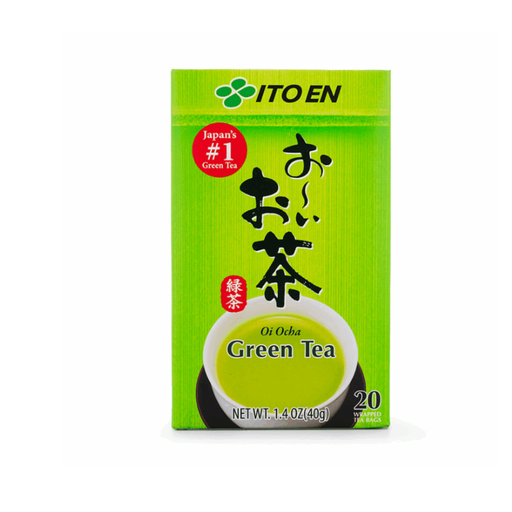 No image available
The 20-bag pack is a modest way to try plain green tea. The product description identifies green tea as the ingredient and gives cool, dry storage guidance; check the pack for brewing and caffeine information.
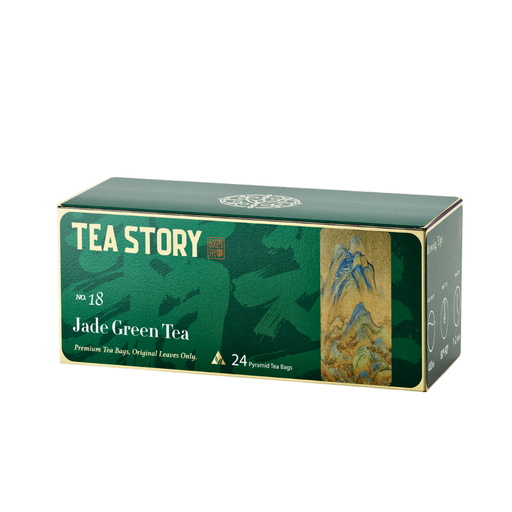 No image available
This 24-bag format offers another modest plain-green-tea trial. Its description lists green tea and advises a 3–5-minute infusion. The title uses organic wording; check the pack if certification affects your choice, and check its caffeine information if needed.
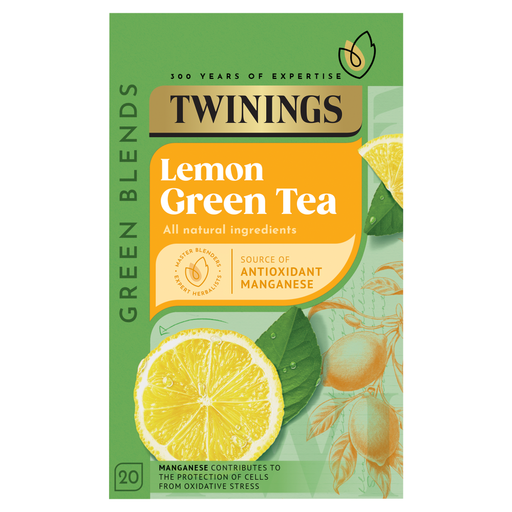 No image available
Choose this 20-bag pack if lemon flavour appeals more than a plain cup. It is a flavoured green tea, not a single-ingredient alternative; check the pack for its full ingredients, brewing directions and caffeine information.
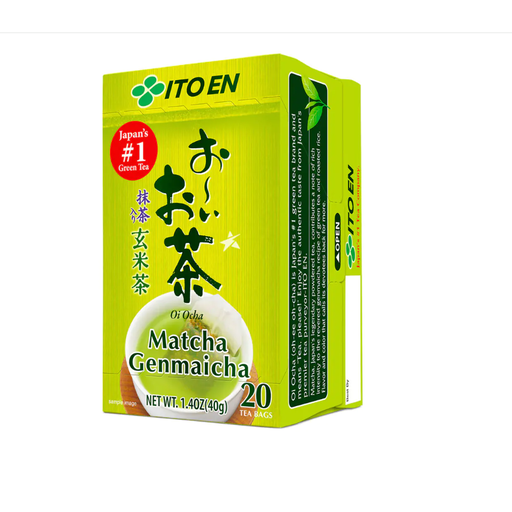 No image available
This 20-bag blend is for someone interested in roasted rice and matcha alongside green tea, rather than a plain-tea trial. Its listed ingredients include roasted rice, green tea and matcha; check the pack for brewing and caffeine information.
 No image available
The explicit decaffeinated designation makes this worth checking if you want to reduce caffeine. Its 50-bag box is a larger commitment than a small trial pack, and decaffeinated should not be read as caffeine-free. Follow the pack’s brewing directions.
No: a jar is not required to start with packaged green tea bags. Follow the pack’s storage directions; if you transfer the tea to a clean, dry, well-sealed container, keep its product information and best-before details.
Choose plain green tea if you want to learn its base flavour, or a blend if a named flavour such as mint, lemon or jasmine appeals to you. Read the ingredients because a flavoured blend is not the same product as single-ingredient green tea.
Follow the directions for your particular tea rather than using one method for every pack. Twinings specifies one Pure Green Tea bag in 200 ml of water for three minutes; Clipper gives a one- to three-minute infusion for its Pure Green Tea, while Teapigs specifies 80°C water for Mao Feng.
University Hospitals Coventry and Warwickshire NHS Trust advises that tea or coffee with a meal can greatly decrease iron absorption and, in its iron-deficiency dietary advice, recommends avoiding them within one hour before or after meals. If you are following that advice, use your clinician’s or dietitian’s guidance for your circumstances.