For a fuller weekend-breakfast cup, Twinings’ green-and-black blend is a starting point if you are happy to include black tea: it contains 70% green tea and 30% black tea, and Twinings describes it as rich and multi-faceted. If you want an all-green option, Pukka presents its matcha blend for mornings, but that does not establish a bold taste; Teapigs Mao Feng and Clipper Pure Green are described by their makers as delicate and light.
Who might prefer each type?
Breakfast-tea drinkers trying a green-tea blend
If you want some green tea without giving up black tea altogether, Twinings’ Green Tea & Black Tea Blend contains 70% green tea and 30% black tea. Twinings describes its flavour as rich and multi-faceted; it is not a pure green tea.
Morning tea drinkers open to matcha
If you want to keep green tea central, Pukka Supreme Matcha Green combines green tea and matcha and appears in Pukka’s morning range. Its morning positioning does not establish how bold it will taste to you.
Pure green-tea drinkers who prefer a delicate cup
If robust breakfast-tea flavour is not your aim, Teapigs describes its pure Mao Feng green tea as delicate, with peach and apricot notes. Its preparation guidance calls for 80°C water and a three-minute brew.
What should you check before choosing?
Start with what you mean by a stronger breakfast cup: a blend containing black tea, a different green-tea flavour, or simply a tea you prefer alongside food.
| Priority | What to check | Your needs |
|---|
| Fuller flavour |
Check the blend and the maker’s flavour description. Twinings lists 70% green tea and 30% black tea in its Green Tea & Black Tea Blend and describes it as rich and multi-faceted; that description is not an independent taste comparison. |
I want green tea in my breakfast cup, but I am willing to include black tea for a different flavour profile. |
| Tea type |
Distinguish a green-and-black blend from green tea with matcha and from pure green tea. Pukka lists Supreme Matcha Green among its morning teas; Teapigs identifies Mao Feng as pure green tea. |
Keeping the cup entirely green-tea-based matters more to me than recreating traditional breakfast tea. |
| Preparation |
Read the directions for the exact tea. Teapigs specifies 80°C water and three minutes for Mao Feng; do not assume the same temperature suits every product. |
I want a brewing method that fits how I make tea at breakfast, rather than judging every tea by one steeping routine. |
| Caffeine |
Check whether the exact product is labelled decaffeinated and consult its pack if the amount matters. Pukka identifies Supreme Matcha Green as naturally containing caffeine. |
If I am limiting caffeine, the word “green” alone does not tell me whether a tea fits. |
| Sourcing and packaging |
Check claims for the particular product separately from its flavour description. Clipper identifies its Pure Green Tea as organic and Fairtrade while describing its taste as light and delicate. |
Organic, Fairtrade or packaging features may matter to me, but I do not want to mistake them for a promise of stronger flavour. |
What can lead to the wrong cup?
-
Taking “morning” or “matcha” to mean extra-bold
Pukka includes Supreme Matcha Green in its morning range, but morning positioning does not establish a robust flavour. Teapigs and Clipper describe their relevant pure green teas as delicate or light.
If a fuller, breakfast-style profile is the priority, consider a green-and-black blend if black tea is acceptable. If it is not, choose the green-tea flavour you want without assuming matcha will taste like breakfast tea.
-
Brewing every green tea with boiling water
Preparation directions differ between products. Teapigs specifies 80°C water and a three-minute brew for Mao Feng.
Follow the directions on the tea you buy before deciding whether its flavour suits breakfast.
-
Assuming a lighter-tasting tea is caffeine-free
Flavour and decaffeination are separate considerations. Pukka identifies its Supreme Matcha Green as naturally containing caffeine.
If caffeine matters to your choice, look for an explicitly decaffeinated product and check its pack rather than relying on a light flavour description.
-
Using sourcing claims as a guide to flavour strength
Clipper identifies its Pure Green Tea as organic and Fairtrade but describes the tea itself as light and delicate.
Check sourcing and packaging features for their own sake, then assess the blend and stated flavour separately.
Which brands offer relevant options?
Twinings
Its UK green-tea range includes a Green Tea & Black Tea Blend alongside pure and decaffeinated green teas.
- The blend contains 70% green tea and 30% black tea; Twinings describes it as rich and multi-faceted.
- The blend will not meet a preference for tea made only from green tea.
Pukka
Pukka includes its Supreme Matcha Green blend in its morning tea selection.
- Supreme Matcha Green combines green tea and matcha for shoppers open to that blend.
- Its morning positioning does not establish an extra-bold flavour, and Pukka identifies it as naturally containing caffeine.
Teapigs
Its Mao Feng is a pure green tea described by Teapigs as delicate, with peach and apricot notes.
- Teapigs gives specific brewing guidance: 80°C water for three minutes.
- Its stated delicate character is a different proposition from a robust breakfast-tea profile.
Clipper
Clipper offers Pure Green Tea and describes it as light and delicate.
- Clipper identifies its Pure Green Tea as 100% green tea, organic and Fairtrade.
- Those sourcing features do not establish a stronger-tasting cup.
Green-tea options on Joybuy
These tea bags offer several directions for a weekend-breakfast cup: green tea described as bold, blends with matcha or roasted rice, sencha with matcha, and roasted green tea. Their descriptions do not make them directly comparable in brewed strength.
 No image available
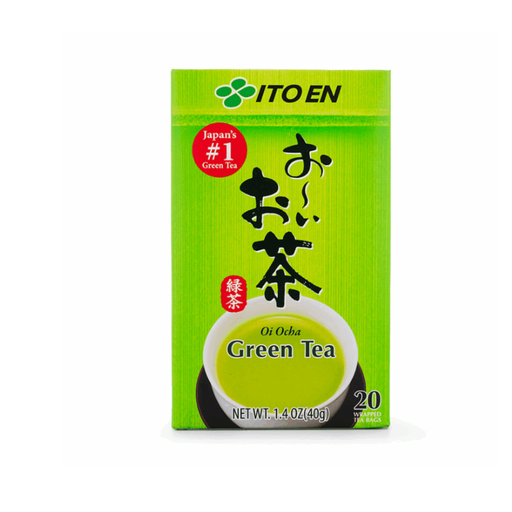
ITOEN OH-I OCHA Green Tea Bags, 40g (20 bags)
For a breakfast cup where stated flavour matters, the product description calls this green tea rich and bold; that is a description, not a measured comparison. The pack contains 20 tea bags and is described as suitable for hot or cold brewing. Check the pack for brewing directions and caffeine information if either affects your choice.
 No image available
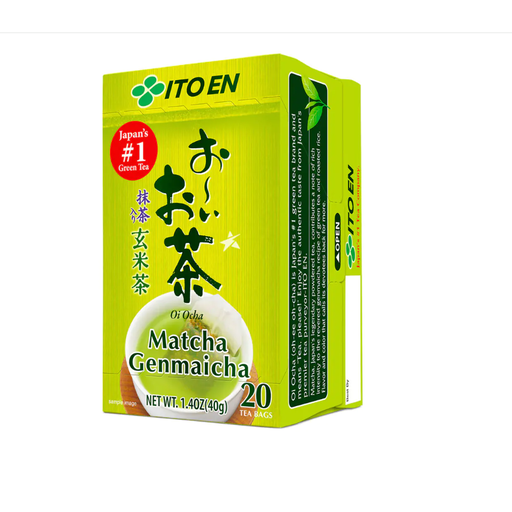
Itoen Oi Ocha Japanese Matcha Genmaicha, 40g (20 bags)
Consider this if a toasty flavour appeals more than a conventional pure green tea. Its stated ingredients include 60% roasted rice and 3% matcha, and the description calls the infusion nutty; those details do not establish bold brewed strength. The pack contains 20 tea bags.
 No image available
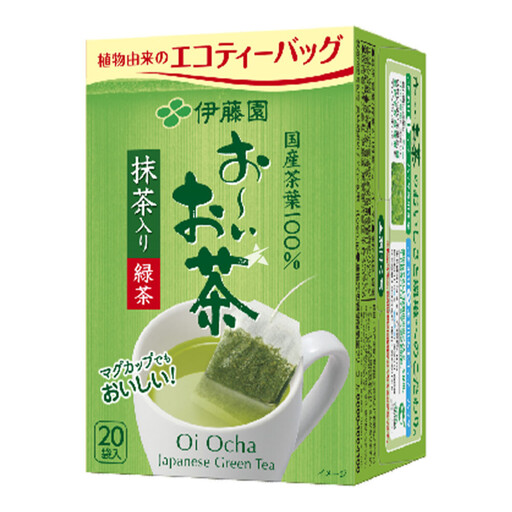
Itoen Oi Ocha Eco Green Tea with Matcha, 20 bags (1.8g*20)
This green-tea-and-matcha option suits a shopper who wants both ingredients in tea-bag form. Its description mentions an umami flavour, but does not establish an extra-bold breakfast cup. Check the pack for brewing directions and caffeine information if relevant.
 No image available
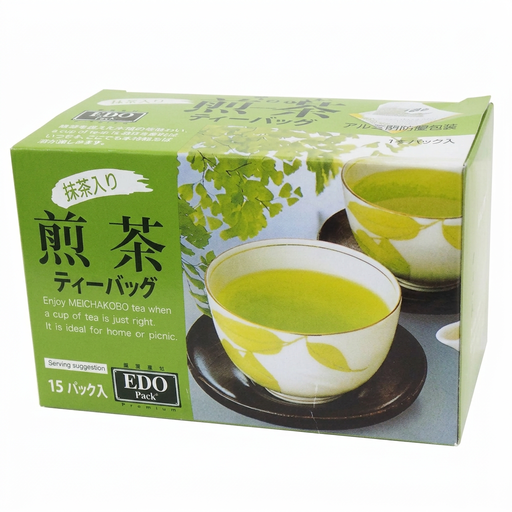
EDO Matcha Injected Sencha Pyramid Tea Bags, 30g
This is another green-tea-and-matcha direction in a pyramid tea bag. The product description states a composition of 98% green tea and 2% green tea powder and describes a crisp taste with umami depth; it does not establish how strong the brewed tea will taste.
 No image available
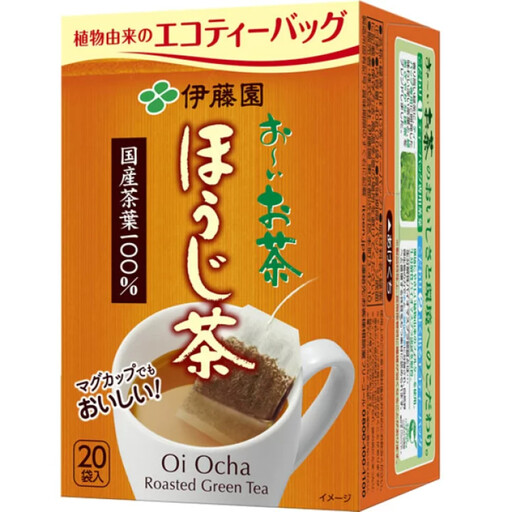
Itoen Oi Ocha Hojicha Premium Roasted Green Tea, 20 bags (1.8g*20)
Choose this route if a stated toasty, slightly nutty flavour appeals beside breakfast rather than assuming “roasted” means extra-bold. This is roasted green tea in a 20-bag pack. Its description calls it lower in caffeine than traditional green teas, but gives no per-serving amount; check the pack if caffeine matters.
Questions about breakfast green tea
Will green tea taste like a strong English Breakfast tea?
Do not assume it will. If you want black tea in the cup as well as green tea, Twinings’ Green Tea & Black Tea Blend contains 70% green tea and 30% black tea and is described by Twinings as rich and multi-faceted. Teapigs describes Mao Feng as delicate, while Clipper describes its Pure Green Tea as light and delicate.
Should I brew green tea for longer to make it stronger?
Follow the directions for the particular tea rather than assuming a longer or hotter brew will give the flavour you want. Teapigs specifies 80°C water and three minutes for its Mao Feng green tea.
Is green tea caffeine-free?
Standard green tea is not the same as decaffeinated green tea. Pukka identifies its Supreme Matcha Green as naturally containing caffeine; if caffeine affects your choice, check the exact product for a decaffeinated label and pack information.


