Hosts stocking an everyday tea tray
Tea bags let guests make individual cups with a kettle and mug. Compare pack sizes with your expected turnover, and leave the selected tea’s brewing directions where guests can find them.


Start with plain green-tea bags for a holiday cottage, choosing a pack size that suits how often you restock. Add a flavoured blend if you want to offer another taste, and a separately labelled decaffeinated tea when guests need to limit caffeine. Keep the directions for each selected pack available rather than using one brewing method for every tea.
The right selection depends on whether the cottage needs one straightforward tea or a small range of clearly different options.
Tea bags let guests make individual cups with a kettle and mug. Compare pack sizes with your expected turnover, and leave the selected tea’s brewing directions where guests can find them.
A plain green tea alongside one labelled lemon, mint, jasmine or matcha-led option offers different tastes without making a distinctive blend the only choice.
Consider a separately labelled decaffeinated green tea when caffeine avoidance is relevant. Check the product label at restocking rather than assuming that a standard green tea is decaffeinated.
Decide on the main tea first, then whether a second flavour or a decaffeinated option serves a distinct guest need. Check the exact pack’s preparation and storage directions before putting it out.
| Priority | What to check | Your needs |
|---|---|---|
| Everyday tea | Look for plain green-tea bags and a pack size suited to your restocking schedule. Twinings lists 20- and 80-bag Pure Green Tea formats; Clipper lists an 80-bag pure green tea. | I want guests to be able to make a plain green tea without choosing a particular added flavour. |
| Flavour choice | Choose one clearly labelled alternative if you want variety. Twinings lists lemon, mint and jasmine options; Pukka lists matcha-led blends, while teapigs lists several named green teas. | A second taste would be useful, but I still want plain green tea available for guests who prefer it. |
| Caffeine | Check that an additional product is explicitly labelled decaffeinated. The NHS identifies tea as a caffeine source; a standard green-tea label should not be taken to mean decaf. | Some guests may be limiting caffeine, so I want them to be able to distinguish the decaffeinated option. |
| Preparation and storage | Follow the selected pack’s infusion directions and check its storage guidance. Twinings directs three minutes with freshly boiled water for Pure Green Tea; Clipper advises cool, dry storage for its 80-bag pure green tea. | Tea may stay in the cupboard between visits, and guests need directions for the particular tea I leave out. |
Mint, jasmine and matcha-led teas offer particular flavour profiles. Guests looking for plain green tea would have no plain option if the cupboard contained only one of these blends.
Stock plain green tea as the main option, then add a labelled alternative if you want more choice.
Instructions can differ between products. Twinings specifies freshly boiled water and a three-minute infusion for its Pure Green Tea.
Keep each carton or make its exact on-pack directions available to guests; check the replacement pack when restocking.
The NHS identifies tea as a source of caffeine and advises pregnant people not to exceed 200mg of caffeine a day from all sources. A standard green-tea pack should not be presented as a decaffeinated choice.
If caffeine avoidance matters to your guests, select a separately labelled decaffeinated tea and check the label when you replace it.
These ranges show ways to build a cottage tea tray; a brand’s wider range does not mean every variant is included in the Joybuy products below.
Twinings lists plain, decaffeinated and flavoured green teas, including lemon, mint and jasmine variants.
Clipper lists an 80-bag organic, Fairtrade-labelled pure green tea; its pure green-tea product page gives green tea as the ingredient.
Pukka’s listed green-tea range includes Supreme Matcha Green, Mint Matcha Green and Citrus Yerba Green.
The teapigs green-tea category lists Mao Feng, green tea with mint, popcorn tea and jasmine pearls.
Tesco’s green-tea category has listed own-label plain and lemon 20-packs alongside branded products.
These tea-bag options cover plain green tea, a separately labelled decaffeinated tea and blends that could sit alongside a plain choice. Compare the pack and its directions with the tea tray you intend to provide.
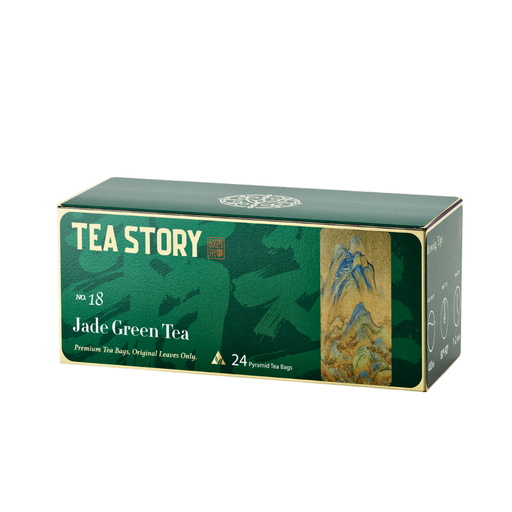 No image available
A green-tea bag option for individual cups in a shared cottage kitchen. The named pack contains 24 pyramid bags of 2g each; check the pack’s brewing directions before leaving it for guests, and confirm its label if decaffeinated tea is needed.
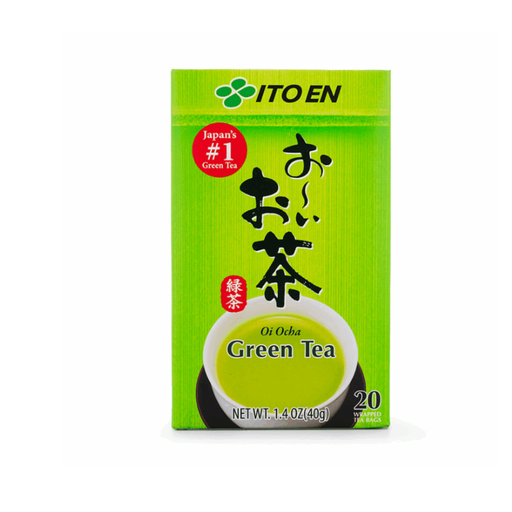 No image available
A 20-bag green-tea option to consider for the cottage’s main tea tray. Check the pack for its infusion directions and whether its caffeine labelling meets any guest requirement.
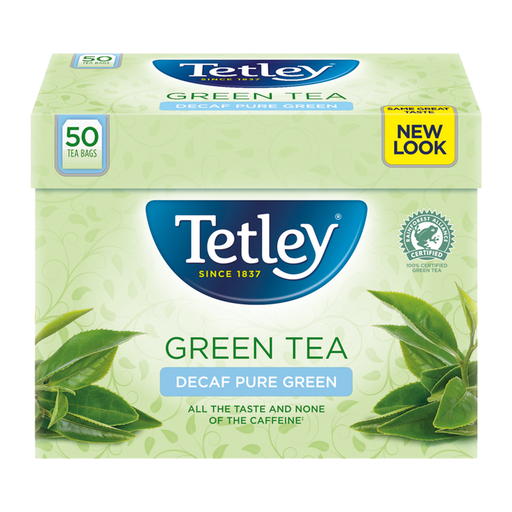
No image available
This separately named decaffeinated green tea provides a distinct choice when guests are limiting caffeine. The pack is labelled as 50 tea bags and 100g; check its preparation directions before putting it out.
 No image available
A named matcha genmaicha blend to consider as a second choice beside plain green tea. The pack is labelled as 20 tea bags and 40g; follow its own brewing directions and check the label if caffeine avoidance matters.
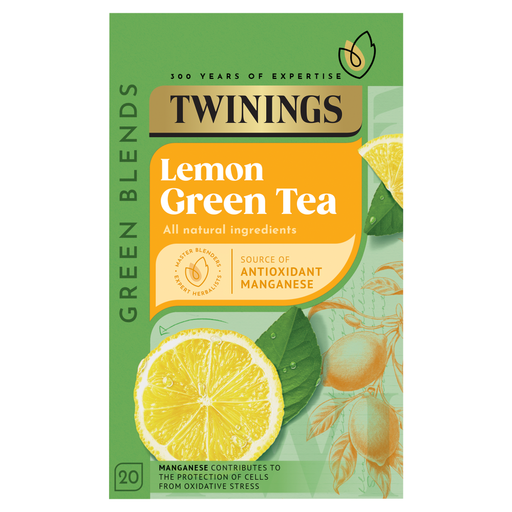 No image available
A lemon-flavoured green tea for hosts adding one alternative to a plain selection. The named format is a 20-pack; use this variant’s pack directions and check its label if a decaffeinated option is required.
Plain green-tea bags are a straightforward starting point when guests need to make individual cups. Choose a pack size that fits your restocking pattern: Twinings lists Pure Green Tea in 20- and 80-bag formats, while Clipper lists an 80-bag pure green tea.
Add one if you want to offer another taste, while keeping a plain option available. Twinings lists lemon, mint and jasmine variants, and Pukka lists several matcha-led green teas; choose a flavour guests can identify from the pack.
Provide a separately labelled decaffeinated option when caffeine avoidance is a relevant guest need. The NHS identifies tea as a caffeine source and advises pregnant people not to exceed 200mg of caffeine a day from all sources; check the selected product’s label rather than assuming standard green tea is decaffeinated.
Leave the directions from the specific pack you stock. Twinings directs a three-minute infusion with freshly boiled water for its Pure Green Tea; that instruction should not automatically be applied to another product or variant.