Hosts stocking a shared kitchen
Tea bags let guests prepare green tea without loose-leaf equipment. Choose a pack size that fits booking turnover, and keep it according to the instructions on the pack.


Tea bags are a straightforward choice for a self-catering cottage because guests can make a cup without measuring leaves or finding an infuser. Choose loose leaf if you can also provide brewing equipment and instructions; use a jar or caddy for storage or presentation, but check whether it contains tea. Match the pack size to how often the cottage is occupied, and keep the current ingredient and storage information available to guests.
Tea bags let guests prepare green tea without loose-leaf equipment. Choose a pack size that fits booking turnover, and keep it according to the instructions on the pack.
A caddy or separate jar can give loose leaf a designated place on the tea station. Guests will also need a suitable infuser or strainer and clear brewing directions.
Individually wrapped sachets keep portions separate on a mixed tea tray. Check each blend’s label so guests can distinguish plain green tea from other choices.
Decide how guests will make the tea, then check the pack size, storage instructions and ingredients. Treat a storage jar as a separate choice from the tea itself.
| Priority | What to check | Your needs |
|---|---|---|
| Preparation | Check whether the tea comes in bags, wrapped sachets or loose leaf. For loose leaf, check the brewing directions and provide an infuser or strainer. | I want guests to make a cup without looking for equipment. Tea bags fit that setup; loose leaf calls for more preparation. |
| Pack size | Compare the stated bag count or loose-leaf weight with likely use between bookings. Tesco lists green-tea packs including 20- and 80-bag options. | A smaller pack may suit a cottage with fewer bookings; with regular occupancy, I may prefer to stock more tea at once. |
| Storage | Follow the exact pack instructions. The Twinings and Clipper green teas described by their listings call for cool, dry storage; check whether a caddy or jar is empty or filled. | I need tea to stay organised between stays without losing the original ingredient and date information when I use a jar. |
| Ingredients | Read the current pack label and distinguish plain green tea from a flavoured or matcha-containing blend. Retailer information may change when products are reformulated. | If guests expect plain green tea, I want it clearly identified rather than placing a blend on the tray as an unlabelled substitute. |
Twinings lists its ribbed glass tea-storage jars as empty. Buying one alone would leave guests without green tea.
Check whether the listing is for an empty jar, a filled caddy or a tea pack, and buy the tea separately where needed.
Guests cannot prepare loose leaf in the same way as a tea bag. Twinings’ Pure Sencha directions specify one teaspoon per cup and a two-to-three-minute brew.
Put an infuser or strainer and brief directions beside loose-leaf tea, or choose bags for a setup without that equipment.
Clipper lists pure green tea as the ingredient in its Pure Green Tea, while Pukka describes Supreme Matcha Green as a green-tea-and-matcha blend.
Check the exact ingredient list and identify blends separately on a shared tea tray.
Tesco advises that ingredients and allergen information can change when food products are reformulated.
Read the pack you are putting in the cottage and keep its information accessible if you transfer tea into a jar.
These examples illustrate different tea and storage formats; a brand’s inclusion here does not mean that its products are in the Joybuy selection below.
Twinings appears in the supplied examples as bagged green tea, loose-leaf Pure Sencha in a tin caddy, and separately sold storage jars.
Clipper lists an 80-bag Pure Green Tea for hosts considering a larger plain-tea pack.
Pukka’s Supreme Matcha Green is a choice for a tea tray with individually wrapped portions.
Teapigs lists Mao Feng green tea among its tea-bag and loose-leaf choices.
Tesco’s green-tea category offers a place to compare listed pack counts across several brands and its own-label tea.
These options cover tea bags, flavoured and roasted green teas, and one loose-leaf tea for a cottage tea station. If a reusable jar is part of your plan, check its contents and packaging separately.
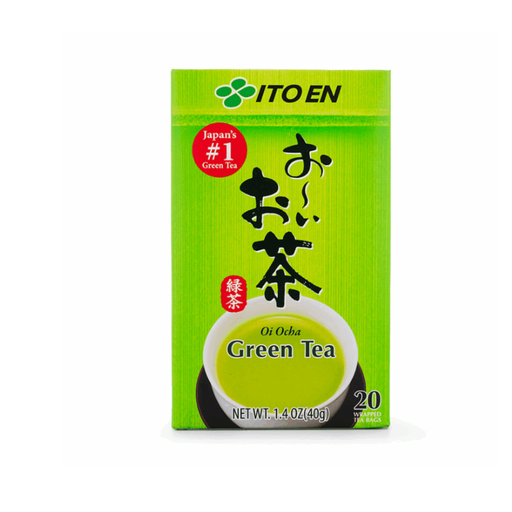 No image available
A 20-bag green-tea option if guests will be making tea without loose-leaf equipment. Check the pack’s brewing directions before leaving instructions at the tea station.
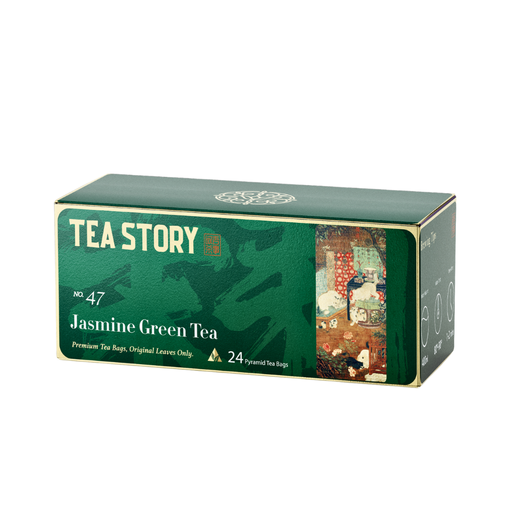 No image available
A jasmine green-tea choice for a tray with more than one flavour. The pack identifies 24 tea bags of 2g each; label it as jasmine rather than plain green tea, and check the exact packaging if individually wrapped portions matter.
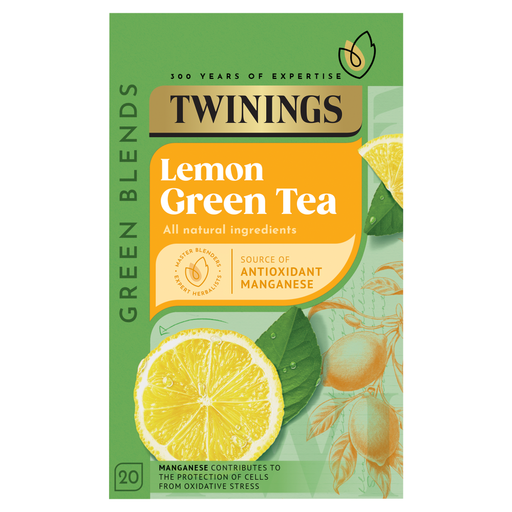 No image available
Tea bags for guests who want a lemon-flavoured green tea. Keep it identified as a flavoured choice rather than using it in place of plain green tea; check the pack for brewing directions.
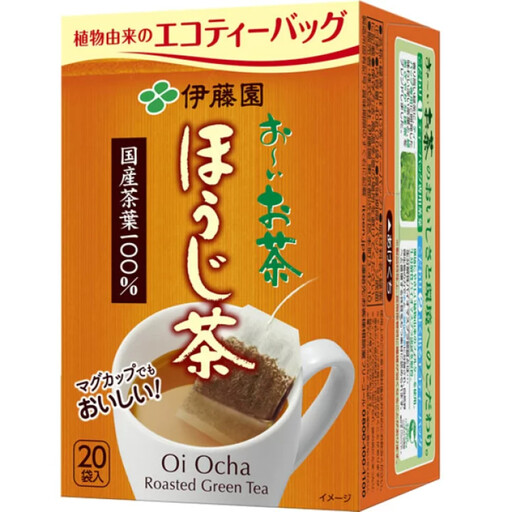 No image available
A bag-format roasted green tea for guests who want that style. Identify it as hojicha on the tea tray so it is not mistaken for a conventional green-tea choice, and check the pack for brewing directions.
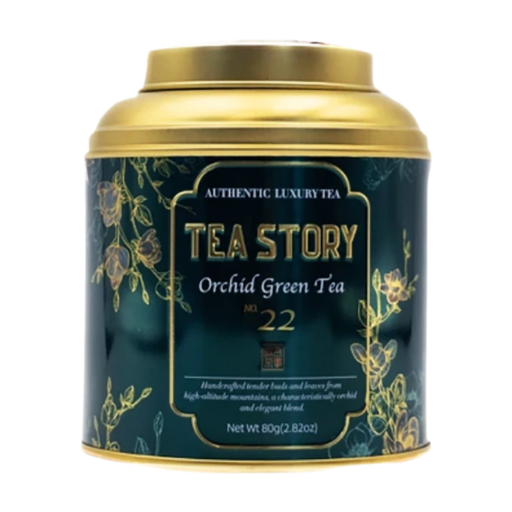 No image available
Loose-leaf green tea for a cottage where guests can use an infuser or strainer. Provide that equipment and check the pack’s directions before putting out brewing instructions; check the packaging separately if you want a caddy or reusable jar.
Not necessarily: Twinings lists its ribbed glass tea-storage jars as empty. Check the exact listing before buying, and keep the tea’s original ingredient and date information available if you transfer it into a jar.
Choose tea bags if guests need to make tea without extra equipment. Loose leaf is workable when you provide a teaspoon and infuser or strainer alongside directions; Twinings’ Pure Sencha instructions specify one teaspoon per cup and a two-to-three-minute brew after freshly boiled water has cooled slightly.
Follow the instructions on the exact pack. The Twinings and Clipper green-tea products described here specify cool, dry storage; if you use a separate jar or caddy, retain the pack information for ingredients and dates.
No. Clipper lists pure green tea as the ingredient in its Pure Green Tea, whereas Pukka describes Supreme Matcha Green as a blend of green tea and matcha. Read the current ingredient list and identify different blends clearly for guests.