Students carrying tea between lectures
If you have access to hot water at lunch, a few tea bags take less space than a full box. Twinings sells a collection with individually sealed envelopes; a clean, dry caddy is another way to carry bags.


For a lecture lunch, tea bags are a straightforward choice if you can get hot water; carry a few in a clean, dry jar or caddy rather than taking a full box. Choose an individually wrapped format for carrying single bags, a flavoured blend for a different taste, or a tea with specific brewing instructions only if you can follow them on campus.
If you have access to hot water at lunch, a few tea bags take less space than a full box. Twinings sells a collection with individually sealed envelopes; a clean, dry caddy is another way to carry bags.
If you make tea on campus often, consider how many bags you will use and where you can keep the rest cool and dry. The cited Twinings and Clipper ranges include 80-bag formats.
Plain green tea, mint-and-matcha blends and mao feng tea offer different ingredients or brewing routines. Check the exact pack when a particular flavour, ingredient list or preparation method matters.
Start with the hot-water facilities and carrying space you have at lunch, then choose a flavour and storage format that fit your routine.
| Priority | What to check | Your needs |
|---|---|---|
| Preparation | Check the pack’s water-temperature and brewing instructions against the facilities available on campus. Teapigs recommends 80°C water and a three-minute brew for its mao feng tea. | I want to make tea during a short break without needing more control over the water temperature than I have. |
| Carrying format | Check the bag count and whether bags are individually wrapped. Twinings says each bag in its 20-envelope Green Tea Classic Collection is sealed separately. | On days with several lectures, I only want to carry the bags I expect to use. |
| Ingredients and flavour | Read the exact ingredient list. Clipper’s cited plain tea lists green tea alone; Pukka Mint Matcha Green combines sencha, matcha, field mint and spearmint. | A plain cup suits me, or I might prefer mint and matcha—but I want to know which I am buying. |
| Storage and caffeine | Follow the pack’s storage directions and keep any jar clean and dry. Check caffeine information for the exact tea; Teapigs states that its mao feng green tea naturally contains caffeine. | I need somewhere suitable to keep the remaining bags, and I want to know whether the tea contains caffeine. |
A large box may be awkward when you only need a few bags, and the remaining tea still needs suitable storage.
Keep the main pack cool and dry, then take a few bags in a clean, dry caddy or choose individually wrapped bags for carrying.
Brewing directions differ. Teapigs recommends 80°C water and three minutes for its mao feng tea, which may not fit a break where only freshly boiled water is available.
Check the directions before choosing a tea for campus, particularly if you cannot control the water temperature.
The cited Clipper pure green tea lists green tea alone, while Pukka Mint Matcha Green includes sencha, matcha and mint.
Read the exact pack’s ingredients and choose the flavour you actually want.
Teapigs states that its mao feng green tea naturally contains caffeine. A green-tea name alone does not tell you the caffeine amount in your cup.
If caffeine information affects your choice, check the exact pack rather than assuming that every green tea has the same content.
These examples show how specific green-tea ranges differ; check the individual product rather than assuming every tea from a brand has the same ingredients or format.
Its cited range includes pure green tea and a flavoured collection.
Its cited Organic Fairtrade Pure Green Tea is a plain green-tea option.
Its cited Mint Matcha Green is a flavoured 20-bag blend.
Its cited mao feng green tea comes in tea temples with specific brewing directions.
Its cited green-tea listing includes an own-label 20-pack.
Yogi Tea’s range includes green teas alongside herbal and black teas.
These tea-bag packs offer plain, flavoured and roasted green-tea options for keeping with lunch supplies or carrying between lectures. Check each pack’s ingredients and brewing directions for your routine.
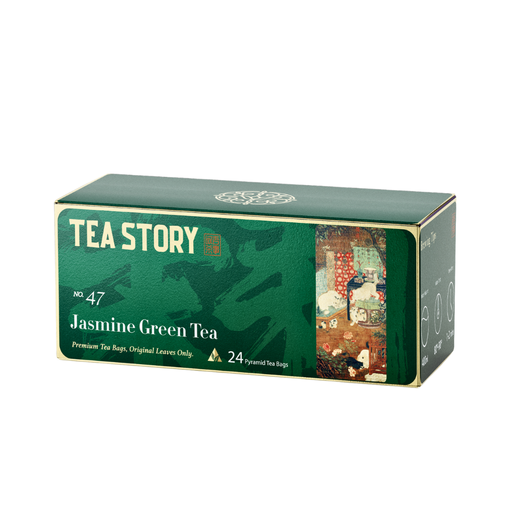 No image available
The individually wrapped bags are suited to carrying a few servings between lectures. The stated method uses 200–250ml of water at 75–80°C and a 2–3 minute steep; check whether you can prepare water at that temperature on campus.
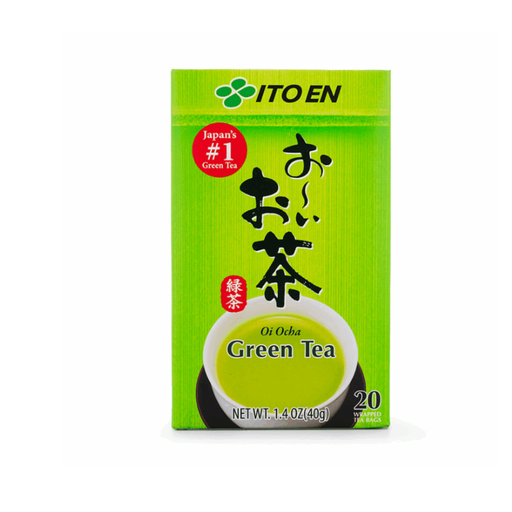 No image available
This 20-bag pack lists green tea as its ingredient and can be brewed hot or cold. Check the pack’s preparation directions and whether the bags are individually wrapped if either detail matters for lunch on campus.
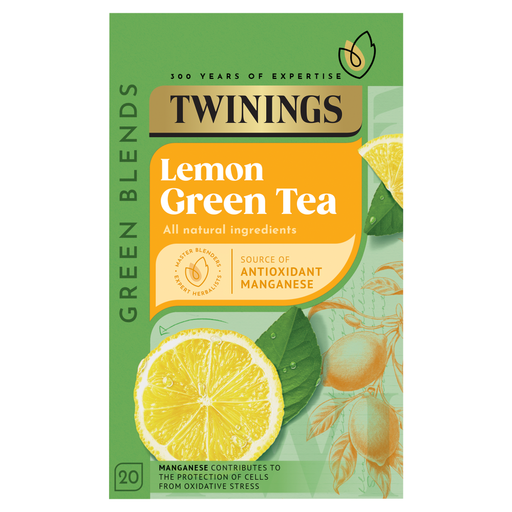 No image available
The 20-pack offers a lemon-flavoured choice for a smaller campus supply; its listed ingredients include green tea and natural lemon flavourings. Check the pack’s brewing directions and wrapping format if you plan to carry single bags.
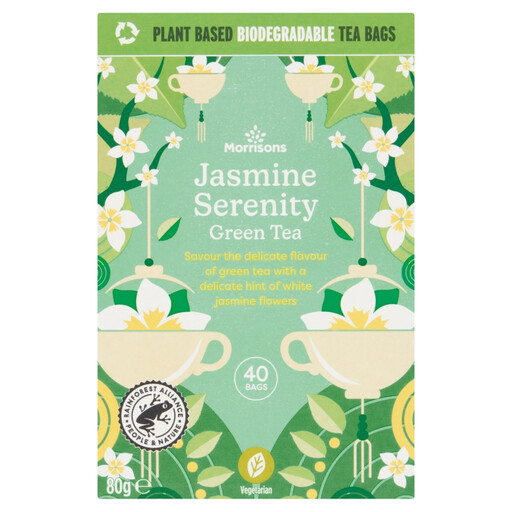 No image available
The 40-bag format provides a supply to keep in a cool, dry place. Check the pack before choosing it for hot-water preparation: the product description discusses chilled serving, and its jasmine wording differs from its green-tea-only ingredient list.
 No image available
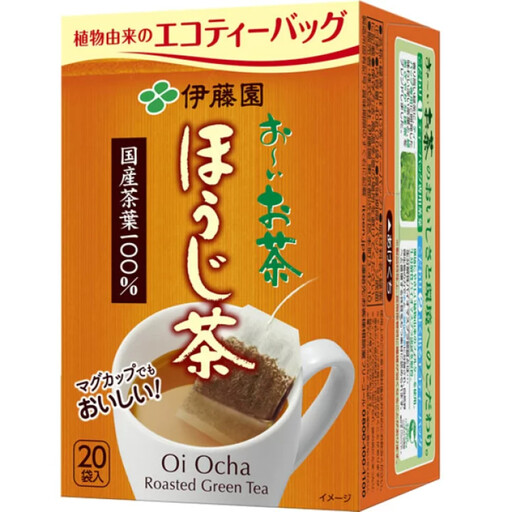
This 20-bag roasted green-tea option suits someone choosing by tea style as well as carrying format. Check the pack’s brewing and caffeine information if either affects your lecture-lunch choice.
Yes, if you can get hot water to brew them. Use a clean, dry jar or caddy to carry the bags, and follow the pack’s storage directions; the cited Twinings and Clipper packs call for cool, dry storage.
Choose a format whose directions you can follow at your campus hot-water point. For example, Teapigs recommends 80°C water and a three-minute brew for its mao feng tea; check that you can manage the temperature before taking it to lunch.
Some green teas do: Teapigs states that its mao feng tea naturally contains caffeine. Check the exact product’s caffeine information if it affects your choice.
Read the exact pack’s ingredients and allergen information rather than assuming it matches plain green tea. Pukka Mint Matcha Green, for example, combines sencha and matcha with field mint and spearmint; UK government food-labelling guidance requires businesses to declare specified allergens when they are ingredients.