Who is choosing tea for a night shift?
The timing of your next sleep period matters as much as the flavour of a green tea chosen for a shift snack.
Night workers heading home to sleep
If your tea break falls near the end of a shift, distinguish decaf from regular green tea before choosing a flavour. The Health and Safety Executive notes that daytime sleep is usually lighter, shorter and of poorer quality than night-time sleep; NHS Every Mind Matters says caffeine in tea can make you feel more awake.
Earlier-shift tea drinkers
If you are having a snack well before planned sleep and are comfortable with caffeine, the choice may come down to a plain ingredient list or a flavour such as lemon. Check the individual tea rather than treating every green blend as the same drink.
Shoppers comparing botanical blends
If mint, matcha or citrus appeals to you, read beyond the flavour on the front of the pack. A flavoured green tea is not necessarily decaf, and a botanical blend may contain ingredients such as guarana or yerba mate.
What should you check before choosing?
Start with when you plan to sleep, then use the ingredient list and preparation instructions to narrow the choice.
| Priority | What to check | Your needs |
|---|
| Caffeine and timing |
Look for an explicit decaffeinated label if the break is near planned sleep. Decaf does not mean caffeine-free: University Hospitals Birmingham NHS Foundation Trust notes that even decaf tea can contain some caffeine. Check the particular pack if complete avoidance matters. |
I am having tea shortly before my daytime sleep and want to limit caffeine, rather than relying on a regular green tea because it sounds mild. |
| Flavour and ingredients |
Compare the full ingredient lists. Clipper lists green tea as the sole ingredient in its Pure Green Tea; its Green Tea & Lemon lists green tea, natural flavour and lemon peel. Neither a citrus flavour nor a short ingredient list establishes that a tea is decaf. |
For an earlier break, I would choose between a plain tea and a flavoured one based on what I want with my snack. |
| Botanical blends |
Read the entire blend name and ingredient list. Pukka identifies green tea, guarana and yerba mate in Citrus Yerba Green; do not assume a citrus or herbal-sounding tea has the same caffeine profile as plain or decaf green tea. |
If I choose a matcha or botanical blend, I want to know which ingredients I am buying before fitting it around sleep. |
| Preparation |
Follow the chosen product’s infusion directions and note the cup size used for any caffeine figure. Twinings estimates around 30–40 mg per 200 ml cup for its green tea, not for every brand, blend or preparation. |
I make tea during a shift and want to follow the instructions for that pack, rather than applying one brewing time or caffeine figure to every cup. |
Which brand ranges are relevant?
These brand examples show different green-tea styles to compare; they are not a list of products available in the Joybuy selection below.
Twinings
A reference point for checking caffeine statements when comparing regular and decaffeinated green tea.
- Twinings estimates around 30–40 mg of caffeine per 200 ml cup of its green tea.
- That manufacturer estimate is not a caffeine figure for every Twinings blend or every way of brewing it.
Clipper
Its product ingredient lists provide examples of decaf, pure and lemon-flavoured green tea.
- Clipper lists decaffeinated organically grown green tea in its decaf product, green tea alone in Pure Green Tea, and green tea with natural flavour and lemon peel in Green Tea & Lemon.
- The lemon product’s flavour ingredients do not make it a decaffeinated tea.
Pukka
Its green-tea range includes matcha and botanical blends for shoppers seeking those ingredient combinations.
- Pukka identifies green tea, guarana and yerba mate in Citrus Yerba Green.
- Do not treat that ingredient combination as interchangeable with plain or decaffeinated green tea when managing caffeine before sleep.
teapigs
Its green-tea category lists popcorn tea, jasmine pearls, mao feng green tea and green tea with mint.
- Those named styles offer distinct flavour choices to inspect when taste is the deciding factor.
- The category listing does not establish a prepared-cup caffeine figure for comparing the styles.
Green tea options on Joybuy
These options cover a decaffeinated tea and several regular green-tea styles, including lemon, roasted and mint-matcha blends. Match the label and ingredients to where the snack break falls in relation to planned sleep.
 No image available
Tetley Green Tea Decaffeinated, 50 tea bags, 100 g
A decaffeinated option to consider when a snack break falls near planned sleep and you want to limit caffeine. The product description identifies 100% decaffeinated green tea; decaffeinated does not mean caffeine-free, so check the pack if complete avoidance is necessary.
View on Joybuy
 No image available
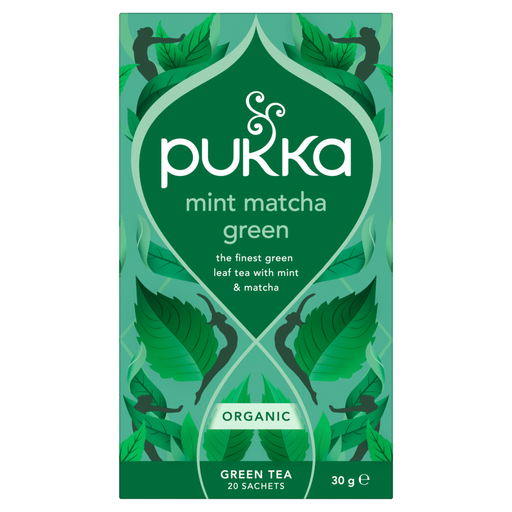
Pukka Mint Matcha Green, 30 g
Consider this mint-and-matcha blend for an earlier break if those ingredients are what you want. Its listed proportions are roasted tea 60%, spearmint 20%, mint leaves 18% and matcha 2%. Do not treat it as decaf; check the pack when caffeine timing matters.
View on Joybuy
 No image available
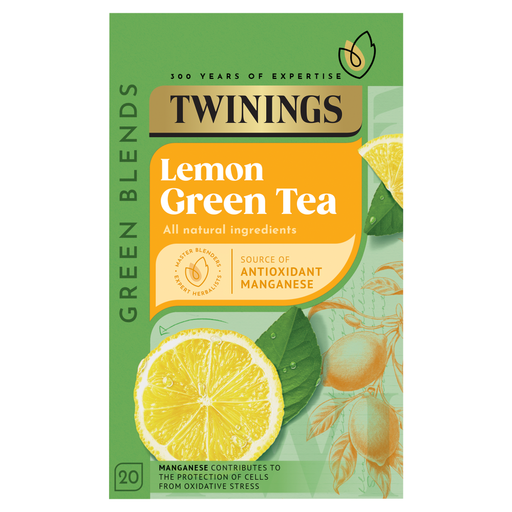
Twinings Lemon Green Tea, 20 pack
A lemon-flavoured green tea for a break when you want citrus flavour and are comfortable choosing regular green tea. The listed ingredients include green tea and natural lemon flavouring with other natural flavourings. Lemon flavour does not indicate decaffeination.
View on Joybuy
 No image available
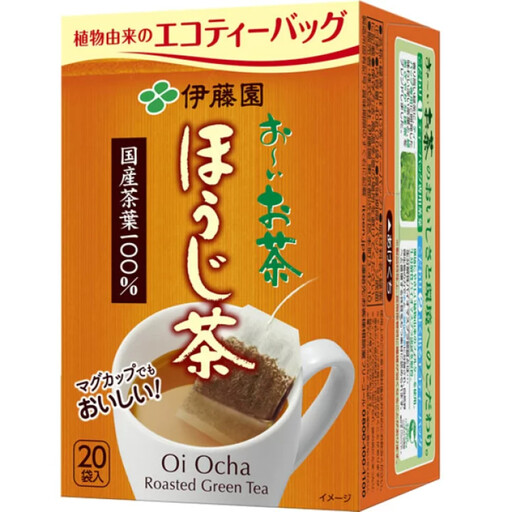
Itoen Oi Ocha Hojicha Premium Roasted Green Tea, 20 × 1.8 g
A roasted green-tea style to consider for an earlier snack break if you prefer that style to an unroasted or flavoured tea. Green tea is the listed ingredient. This product is not identified as decaffeinated; do not use an unmeasured “low caffeine” description to plan intake near sleep.
View on Joybuy
 No image available
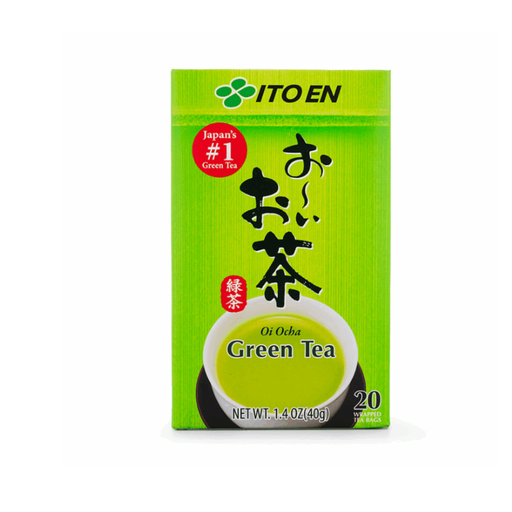
Itoen OH-I OCHA Green Tea Bags, 40 g, 20 bags
A single-ingredient green tea to consider for an earlier break when you want an unflavoured option. The pack contains 20 tea bags and lists green tea as the ingredient. It is not identified as decaffeinated; follow the pack’s preparation guidance and check its caffeine information if timing matters.
View on Joybuy
Questions about green tea and shift breaks
Which green tea should I consider close to planned sleep?
Choose a tea expressly labelled decaffeinated rather than regular green tea if you want to limit caffeine before sleep. NHS Every Mind Matters notes that caffeine in tea can make you feel more awake, while University Hospitals Birmingham NHS Foundation Trust notes that decaf tea can still contain some caffeine. Check the pack if you need to avoid it completely.
Can ordinary green tea make up for a tiring night shift?
No drink should be relied on to make up for inadequate sleep. Ordinary green tea contains caffeine, so choose it earlier in a shift only if it fits your caffeine tolerance and planned sleep. The Health and Safety Executive notes that daytime sleep is usually lighter, shorter and of poorer quality than night-time sleep.
Is lemon or mint green tea decaffeinated?
A flavour name does not establish that a green tea is decaffeinated. Clipper Green Tea & Lemon, for example, lists green tea, natural flavour and lemon peel. If limiting caffeine is your reason for choosing, look for an explicit decaffeinated label rather than relying on the flavour.
How should I brew green tea during a shift?
Follow the directions for the tea you choose rather than using one method for every blend. Twinings notes that caffeine in a cup varies with tea and brewing factors. For its own decaf green tea, Clipper advises letting boiled water cool for a minute before infusing for 1–3 minutes.


