For afternoon tea, start with a labelled decaffeinated green tea if reducing caffeine is the deciding factor, and check the individual pack rather than assuming decaf means caffeine-free. If caffeine is suitable for the drinker, choose plain tea for an unflavoured cup, a flavoured blend for a different taste, or a mixed selection when preferences are unknown. Anyone taking warfarin should discuss a significant change to their regular diet with their anticoagulation team.
Who is choosing the tea?
Someone reducing afternoon caffeine
If caffeine sensitivity or bladder symptoms affect the choice, compare products labelled decaffeinated rather than treating all green tea alike. The NHS notes that caffeine can irritate the bladder and worsen urinary incontinence.
Someone who prefers an unflavoured cup
Plain green tea avoids the added mint, citrus or ginger components found in some blends. Check the specific tea and its brewing directions: an unflavoured product is not necessarily decaffeinated.
A household serving several tastes
A mixed pack lets people try different flavours before settling on one. Twinings’ Green Tea Classic Collection, for example, contains ginger, lemon, jasmine and mint varieties.
What should you check?
For an older adult’s afternoon cup, settle the caffeine question before choosing a flavour and a preparation routine.
| Priority |
What to check |
My needs |
| Caffeine |
Look for an explicit decaffeination statement and check any product-specific caffeine information. Twinings says the tea in its Pure Green Decaffeinated product is decaffeinated to 0.02% caffeine; that figure does not describe other products. |
I’m choosing an afternoon drink for someone who wants to reduce caffeine, or whose bladder symptoms make caffeine an important consideration. The NHS says caffeine can irritate the bladder and worsen urinary incontinence. |
| Flavour |
Compare plain green tea with the stated ingredients of flavoured blends. For unfamiliar tastes, check whether a mixed pack offers smaller quantities of several varieties. |
Would an unflavoured cup appeal, or would mint, lemon, ginger or another blend be more welcome? If several people will share the tea, I’d rather try a selection than commit to one flavour. |
| Brewing |
Read the directions for water temperature, quantity and infusion time on the exact pack. Teapigs specifies 80°C water and a three-minute brew for its mao feng green tea. |
I want preparation instructions that are straightforward to follow each afternoon, without assuming every green tea brews the same way. |
| Regular use |
Before making a significant dietary change while taking warfarin, discuss it with the anticoagulation team. Cambridge University Hospitals advises keeping vitamin-K intake consistent because substantial changes can affect INR control. |
If the drinker takes warfarin, I need to check before introducing green tea as a regular habit or changing an established routine. |
Common buying mistakes
-
Assuming all green tea is caffeine-free
Ordinary green tea contains caffeine. The NHS notes that caffeine can worsen urinary incontinence, so caffeine suitability may matter more than flavour for some drinkers.
If reducing caffeine is the aim, choose a product explicitly labelled decaffeinated and check its own caffeine information.
-
Reading a flavour name as a caffeine claim
Mint, lemon and ginger describe ingredients or flavour, not decaffeination. Teapigs says its green tea with mint naturally contains caffeine.
Check both the ingredient list and caffeine statement before choosing a flavoured blend for a caffeine-conscious drinker.
-
Changing a warfarin user’s regular diet without advice
Cambridge University Hospitals advises people taking warfarin that substantial changes in vitamin-K intake can affect INR control and clotting or bleeding risk.
Ask the prescriber or anticoagulation team before making a significant change to the person’s regular tea or wider diet.
-
Committing to one flavour too soon
Plain, mint, lemon, ginger and jasmine green teas offer different ingredient combinations; one large single-flavour pack may not suit everyone at the table.
When preferences are unknown, consider a smaller pack or a mixed selection, such as Twinings’ four-flavour Green Tea Classic Collection.
Brand ranges to consider
These brand ranges illustrate different blend and caffeine choices; check the individual product rather than relying on the brand name alone.
Twinings
Twinings lists pure green tea, flavoured blends, a four-flavour Classic Collection and Pure Green Decaffeinated.
- Twinings states that the tea in Pure Green Decaffeinated is decaffeinated to 0.02% caffeine.
- That product-specific figure does not make its standard green-tea blends decaffeinated.
Clipper
Clipper lists pure and flavoured green teas alongside an organic, Fairtrade decaffeinated green tea.
- The decaf product lists decaffeinated organically grown green tea as its ingredient.
- Check the individual pack if a particular residual-caffeine figure matters.
Pukka
Pukka’s UK green-tea range includes Supreme Matcha Green, Mint Matcha Green and Citrus Yerba Green.
- The range offers matcha-containing blends for someone specifically seeking that style.
- Pukka says it does not use decaffeinated green tea, so this range does not meet a decaf requirement.
Teapigs
Teapigs offers pure mao feng green tea and a green-tea-with-mint blend in tea temples.
- Its mao feng directions specify 80°C water and a three-minute brew; the mint blend lists Chunmee green tea and peppermint leaves.
- Teapigs identifies both products as naturally containing caffeine.
Tesco
Tesco lists an own-label Green Tea 20 Pack 50g and groups green, flavoured and decaffeinated green teas in its range.
- The named own-label pack provides a straightforward tea-bag option to compare.
- Check the current product label for ingredients, caffeine information and brewing directions before choosing it on those grounds.
Green tea options on Joybuy
These options cover a labelled decaffeinated tea, plain green teas and a rose-flavoured blend for an afternoon cup. Compare the exact pack if caffeine content or brewing directions will decide your choice.
 No image available
Tetley Green Tea Decaffeinated, 50 tea bags, 100g
A labelled decaffeinated tea-bag option when reducing afternoon caffeine is the priority. Decaffeinated does not necessarily mean caffeine-free; check the pack for the caffeine information and brewing directions you need.
View on Joybuy
 No image available
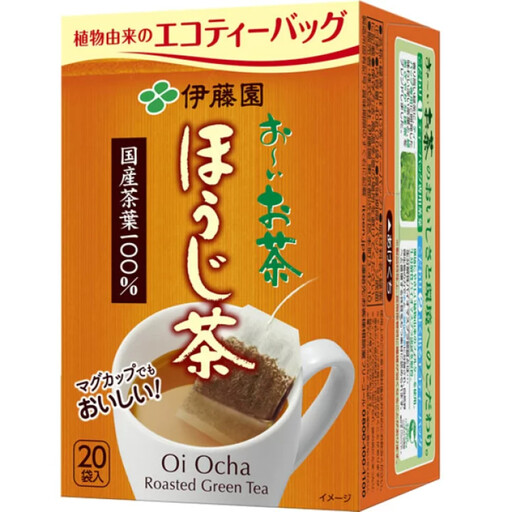
Itoen Oi Ocha Hojicha Premium Roasted Green Tea, 20 × 1.8g
A roasted green-tea option for someone who prefers that style to a mint or citrus blend. Check the pack for caffeine information if reducing caffeine matters, and follow its brewing directions.
View on Joybuy
 No image available
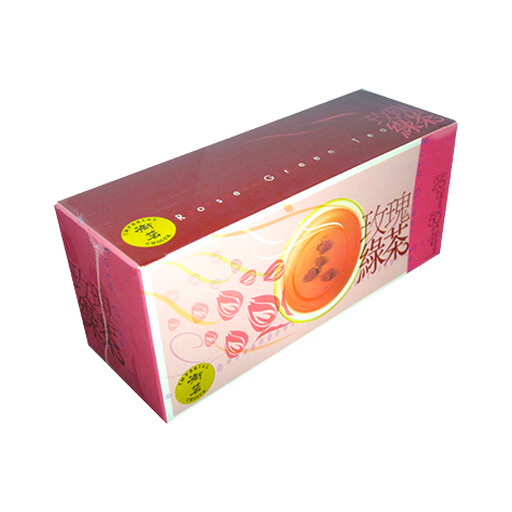
Yu Ming Rose Green Tea Bags, 50g
A rose green-tea blend to consider when a floral alternative to plain tea appeals. The flavour name does not establish caffeine content; check the pack if caffeine reduction matters.
View on Joybuy
 No image available
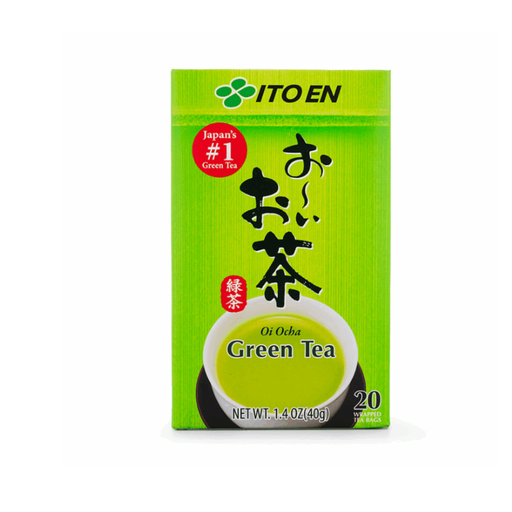
ITOEN OH-I OCHA Green Tea Bags, 40g, 20 bags
An unflavoured green-tea bag option for someone who wants to keep the choice simple. Check the pack for caffeine information and brewing directions if either affects the decision.
View on Joybuy
Frequently asked questions
Does every older adult need decaffeinated green tea?
No. Decaf is a choice when the individual wants to reduce caffeine or caffeine aggravates their symptoms; age alone does not settle it. The NHS says caffeine can irritate the bladder and worsen urinary incontinence, so consider the drinker’s circumstances and any clinical advice.
Is decaffeinated green tea caffeine-free?
Do not assume so: check the individual product. Twinings says the tea in its Pure Green Decaffeinated product is decaffeinated to 0.02% caffeine, while Clipper identifies its own green tea as decaffeinated without giving that same product-specific figure.
How should I brew green tea for afternoon tea?
Follow the directions on the exact pack rather than using one method for every blend. For its mao feng green tea, Teapigs specifies 80°C water and a three-minute brew.
What if the drinker takes warfarin?
Discuss a significant change to their regular diet with their prescriber or anticoagulation team. Cambridge University Hospitals advises people taking warfarin to keep vitamin-K intake consistent because substantial changes can affect INR control and clotting or bleeding risk.
Does green tea have to replace water at afternoon tea?
No. NHS guidance says drinks other than water can count towards fluid intake, while water remains an option. Tea and water can both be offered so the drinker can choose.


