Older adults who prefer a fuller flavour
A more noticeable taste can guide the choice of tea and brewing time. Check the pack instructions and consider caffeine sensitivity rather than treating the word “strong” as a measure of nutritional value.


Choose a fuller-tasting green tea if the older person enjoys it, tolerates caffeine and can drink ordinary tea safely. Stronger flavour is a taste preference, not nutrition support: poor intake or unintentional weight loss calls for appropriate health or dietetic advice. Decaffeinated green tea offers a way to keep the green-tea choice while reducing caffeine exposure; a caffeine-free herbal infusion is a different drink for someone who wants to avoid caffeine.
A more noticeable taste can guide the choice of tea and brewing time. Check the pack instructions and consider caffeine sensitivity rather than treating the word “strong” as a measure of nutritional value.
Tea can be a drink they enjoy, but its flavour does not address inadequate food intake. The NHS identifies unintentional weight loss as a possible sign of malnutrition; seek appropriate health or dietetic advice rather than relying on a stronger brew.
The relevant check depends on the person: caffeine tolerance, advice about dietary changes while taking warfarin, or a prescribed fluid consistency. An age-based rule cannot replace an individual care plan.
Start with the flavour the person wants, then check whether the drink fits their caffeine preferences and any nutrition or swallowing plan.
| Priority | What to check | Your needs |
|---|---|---|
| Flavour and brewing | Read the flavour description and the pack’s infusion range. Tesco specifies 3–5 minutes according to taste for its standard green tea; that instruction does not establish an extra-bold category. | I prefer a more noticeable green-tea flavour, but want to adjust the cup within the instructions for the tea I buy. |
| Caffeine | Distinguish regular green tea, decaffeinated green tea and naturally caffeine-free herbal infusions. The NHS advises consuming caffeine in moderation and notes that sensitivity varies. | If caffeine bothers me or the person I shop for, I want to consider the tea alongside other caffeine-containing drinks and products. |
| Nutrition needs | Keep tea choice separate from food and drink planned to meet nutritional needs. The NHS identifies unintentional weight loss as a possible sign of malnutrition. | Where appetite is poor or weight is falling, I need the drink choice to fit the person’s nutrition advice, not stand in for it. |
| Iron-focused meals | If improving iron absorption is part of the person’s dietary advice, check tea timing. Leicestershire Nutrition and Dietetic Services advises avoiding tea or coffee with meals because they decrease iron absorption. | I may need to serve tea at another time rather than alongside a meal chosen for its iron content. |
| Medication routine | For someone taking warfarin, check with their clinician or anticoagulation service before making a significant dietary change. Cambridge University Hospitals NHS Foundation Trust advises consistent dietary intake. | Before changing an established tea routine, I want to check how that change fits the person’s anticoagulation advice. |
| Swallowing plan | Check whether ordinary thin fluids are permitted. Oxford University Hospitals NHS Foundation Trust advises following the consistency recommended after a swallowing assessment. | If thickened fluids have been prescribed, I need to follow the specified preparation rather than serve ordinary thin tea. |
A stronger taste does not address poor appetite or unintentional weight loss. The NHS identifies unintentional weight loss as a possible sign of malnutrition.
Choose flavour for enjoyment; if intake is poor or weight is falling, seek appropriate health or dietetic advice.
Pukka states that its Supreme Matcha Green blend contains 2% matcha. The word “matcha” in a product name does not identify the proportion on its own.
Read the ingredients and any stated percentages if matcha content or format matters to your choice.
Tea contributes to total caffeine intake. Food Standards Scotland and the Food Standards Agency advise counting caffeine from supplements alongside sources such as tea and coffee.
Consider the person’s other caffeine sources and sensitivity when choosing regular tea, decaffeinated tea or a caffeine-free herbal infusion.
Oxford University Hospitals NHS Foundation Trust explains that thin fluids may be unsafe or uncomfortable for someone whose swallowing assessment has led to a thickener recommendation.
Follow the Speech and Language Therapist’s specified consistency and preparation instructions.
Twinings lists regular green tea and Pure Green Decaffeinated in its range.
Clipper lists Organic & Fairtrade Green Tea in a 40-bag format.
Teapigs describes its green-tea range as having “bold taste”.
Pukka lists Supreme Matcha Green and a separate range of naturally caffeine-free herbal infusions.
Tesco lists a standard green tea in a 20-pack.
These tea-bag options cover a conventional green tea described as bold-tasting and a roasted green tea with a different flavour profile. Choose by the flavour the person enjoys, then check the pack for brewing and caffeine information that matters to them.
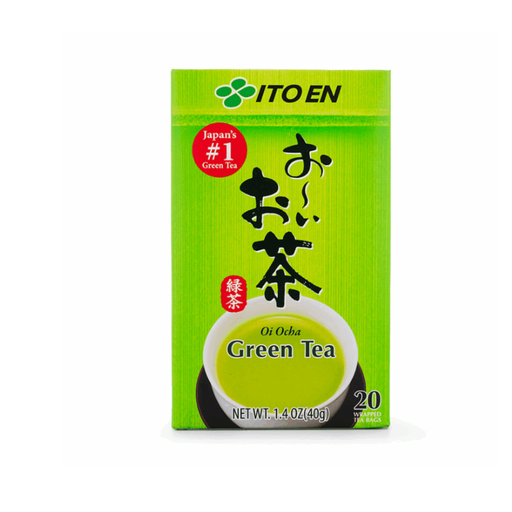 No image available
The product description calls this green tea rich and bold, which may appeal to someone seeking a fuller flavour. It contains 20 tea bags; check the pack’s brewing guidance and caffeine information if either affects the choice. Flavour strength does not replace nutrition support where intake is poor or weight is falling.
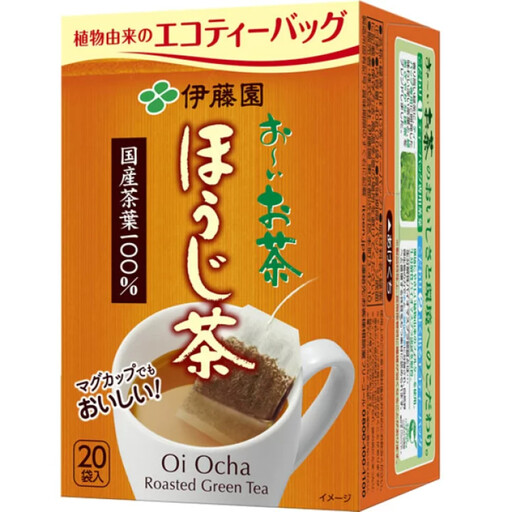 No image available
This roasted green tea is described as toasty and slightly nutty, so its flavour may differ from a conventional green tea. The product description calls it low-caffeine without giving an amount; check the pack if caffeine exposure matters. Roasted flavour does not establish an extra-bold strength or a nutritional benefit.
No. A fuller flavour is a matter of taste, not a substitute for food or a nutrition plan. The NHS identifies unintentional weight loss as a possible sign of malnutrition, so seek appropriate health or dietetic advice if intake is poor or weight is falling.
You can adjust brewing time within the instructions for the product. Tesco, for example, specifies 3–5 minutes according to taste for its standard green tea; that does not establish a predictable caffeine amount or an extra-bold strength for other products.
Consider it when the person wants green-tea flavour but prefers to reduce caffeine exposure. The NHS notes that caffeine sensitivity varies; consider other caffeine sources too. A naturally caffeine-free herbal infusion is a different option if avoiding caffeine is the priority.
Follow their prescribed fluid consistency rather than serving ordinary thin tea. Oxford University Hospitals NHS Foundation Trust explains that thin fluids may be unsafe or uncomfortable for a person whose swallowing assessment has led to a thickener recommendation.
Discuss a significant dietary change with their clinician or anticoagulation service first. Cambridge University Hospitals NHS Foundation Trust advises people taking warfarin to keep relevant dietary intake consistent.