Older adults who enjoy a daily hot drink
A pure or flavoured green tea offers a choice of taste for an everyday drinking routine. It should not take the place of food or individual advice when appetite or weight is a concern.


For an older adult who enjoys green tea, start with a pure blend for a straightforward ingredient list, or choose a decaffeinated version if reducing caffeine matters. Lemon, mint and jasmine change the flavour, but do not make a blend caffeine-free. Green tea can be part of a drinking routine; poor appetite, unintentional weight loss or difficulty swallowing calls for individual advice rather than a change of tea.
A pure or flavoured green tea offers a choice of taste for an everyday drinking routine. It should not take the place of food or individual advice when appetite or weight is a concern.
Twinings notes that standard green tea naturally contains caffeine and that decaffeinated green tea is available. Check for a clear decaffeinated label if reducing caffeine, particularly in a later-day cup, is the aim.
Tea timing matters for someone following iron-deficiency anaemia advice. Anyone taking warfarin should discuss a substantial change in their usual diet or tea routine with their anticoagulation team rather than assuming a new blend is suitable.
Choose the caffeine profile first, then compare ingredients and flavours. Personal circumstances, including iron treatment or a restricted diet, may make those checks more important than the flavour.
| Priority | What to check | Your needs |
|---|---|---|
| Enjoyment and fluids | Choose a flavour and tea-bag format the person likes. Keep the drink choice separate from any need for food or other nutritional support. | I want a cup I will enjoy regularly. The NHS says drinks other than water can count towards fluid intake. |
| Caffeine | Look for an explicit decaffeinated label if reducing caffeine matters. Check added ingredients such as guarana rather than assuming all green-tea blends are alike. | For a later-day cup, I would prefer to reduce caffeine. Twinings says standard green tea naturally contains caffeine; the Food Standards Agency identifies guarana as a potential caffeine source. |
| Ingredients and flavour | Compare pure green tea with the current ingredient list of a lemon, mint or jasmine blend. Check every ingredient where allergies or dietary restrictions matter. | I might prefer citrus or mint to plain tea, but I want to know what is in the blend. Clipper lists its Pure Green Tea as green tea (100%) and its lemon blend as green tea, natural flavour and lemon peel. |
| Iron and medicines | If following iron-deficiency anaemia advice, check when to have tea around meals and follow individual instructions for iron tablets. Ask the relevant care team about significant dietary changes when taking warfarin. | I need a tea routine that fits my treatment advice. University Hospitals Coventry and Warwickshire NHS Trust says tea with a meal can greatly decrease iron absorption; Cambridge University Hospitals NHS Foundation Trust advises consistent dietary intake for people taking warfarin. |
Green tea is a drink, not a substitute for food or an assessment of poor appetite, unintentional weight loss or swallowing difficulty.
If any of those concerns applies, seek advice from a GP, practice nurse or other relevant clinician rather than relying on a different tea blend.
University Hospitals Coventry and Warwickshire NHS Trust says drinking tea with a meal can greatly decrease iron absorption.
If you are following iron-deficiency anaemia advice, ask how to time tea around meals and follow your prescriber’s or pharmacist’s instructions for iron tablets.
Twinings says standard green tea contains naturally occurring caffeine. A blend with added guarana introduces another potential caffeine source, according to the Food Standards Agency.
Check whether the pack says decaffeinated and read the full ingredient list, particularly when caffeine reduction or ingredient suitability matters.
Cambridge University Hospitals NHS Foundation Trust advises people taking warfarin to keep their intake of vitamin-K-containing foods consistent. That guidance does not establish that every green-tea blend has the same implications.
Discuss a substantial planned change in diet or green-tea intake with the anticoagulation team, GP or pharmacist for advice specific to the person.
These ranges illustrate different ingredient and flavour choices; a brand name alone does not establish whether a particular pack is decaffeinated or suitable for an individual.
Its green-tea range includes pure, decaffeinated and flavoured choices.
Its green-tea range includes pure and flavoured products.
Its Mint Matcha Green Tea combines a mint flavour with sencha and matcha.
Its own-label green-tea products include a plain option and a lemon-flavoured option.
Its Green Energy blend is a multi-ingredient alternative to a plain green-tea bag.
These tea bags cover decaffeinated, plain, roasted and flavoured green-tea choices. Compare the exact pack with the older drinker’s caffeine preference, ingredient needs and usual tea routine.
 No image available
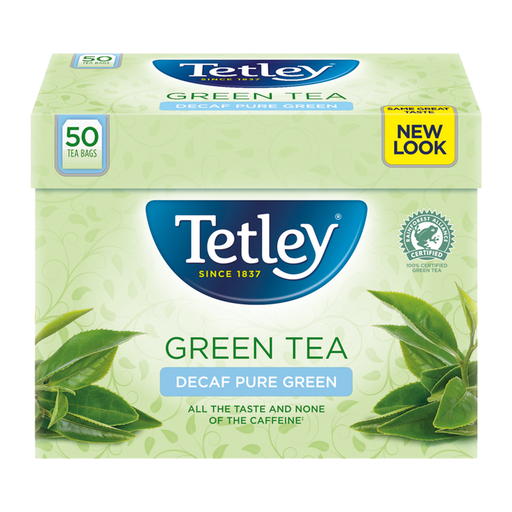
A decaffeinated green-tea option for someone deliberately reducing caffeine. The pack contains 50 tea bags; if a strict caffeine limit applies, check the current label for product-specific information rather than assuming decaffeinated means caffeine-free.
 No image available
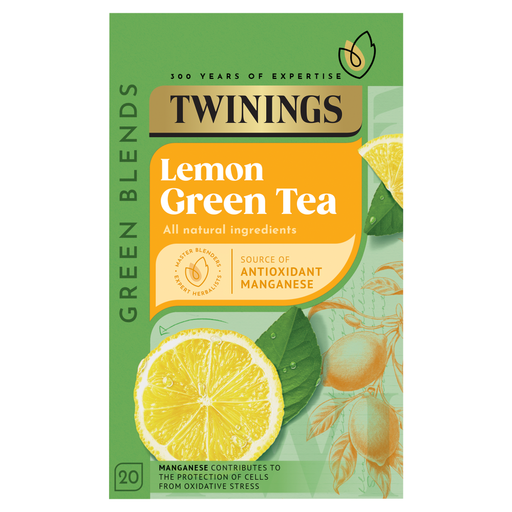
A lemon-flavoured choice for someone who does not want plain green tea. The product is not identified as decaffeinated; check its current ingredients and caffeine information if either matters to the drinker.
 No image available
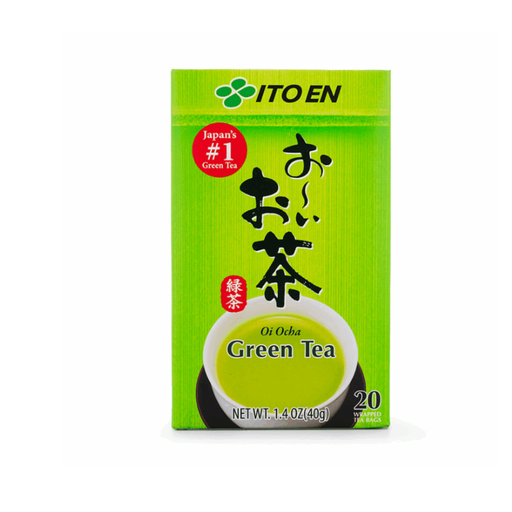
A plain tea-bag option for someone who prefers a simple ingredient list. Its product description identifies green tea as the sole ingredient; it is not labelled decaffeinated, so check the current pack if caffeine reduction is important.
 No image available
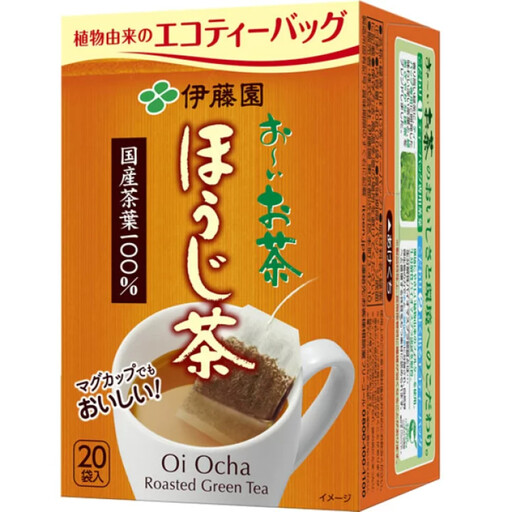
A roasted green-tea style for someone who prefers that flavour to an unroasted blend. The ingredient description lists green tea; do not rely on a general low-caffeine description for an individual caffeine limit without checking the current pack.
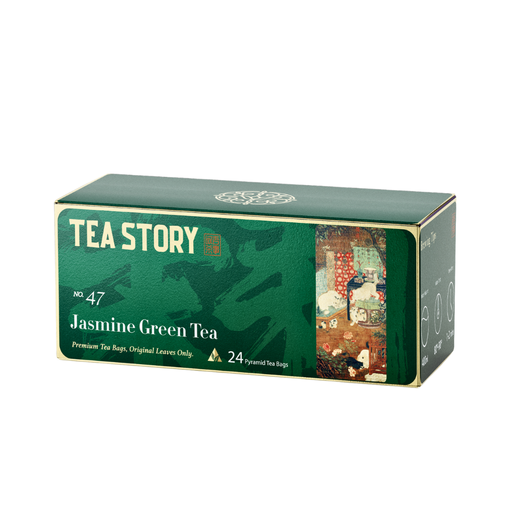 No image available
A jasmine-flavoured option for someone seeking a floral tea. Check the exact product identity and ingredients on the current pack before purchase; a low-caffeine description does not establish a measured caffeine amount or mean that the tea is decaffeinated.
No: choosing a green-tea blend does not address poor appetite or unintentional weight loss. Green tea can be a drink the person enjoys, but concerns about eating, weight or swallowing call for advice from a GP, practice nurse or other relevant clinician.
Choose a clearly labelled decaffeinated green tea if the person enjoys the drink but wants to reduce caffeine, including for a later-day cup. Twinings says standard green tea naturally contains caffeine; check the particular product if an individual caffeine limit matters.
Yes, when iron-deficiency anaemia advice or iron treatment applies. University Hospitals Coventry and Warwickshire NHS Trust says tea with a meal can greatly decrease iron absorption; ask the relevant clinician how to time tea around meals, and follow the prescriber’s or pharmacist’s instructions for iron tablets.
Discuss a substantial change with the anticoagulation team, GP or pharmacist rather than making an abrupt switch. Cambridge University Hospitals NHS Foundation Trust advises consistent intake of vitamin-K-containing foods for people taking warfarin; it does not establish one rule for every green-tea product or drinking pattern.
No. The Tesco Marketplace listing for Yogi Tea Green Energy includes guarana alongside green tea and other botanicals. The Food Standards Agency identifies guarana as a potential caffeine source, so check the full ingredients when reducing caffeine is the aim.