Bedtime drinkers avoiding caffeine
If you want a hot drink shortly before bed without caffeine, look for an explicitly caffeine-free herbal infusion rather than regular green tea. NHS Borders advises avoiding caffeinated hot drinks close to bed.


For a hot drink close to bedtime, choose a caffeine-free herbal infusion if avoiding caffeine matters most; NHS Borders advises avoiding caffeinated hot drinks near bed. Decaffeinated green tea keeps the tea type but may contain traces of caffeine, while regular green tea pyramid bags retain the requested format but still contain caffeine.
If you want a hot drink shortly before bed without caffeine, look for an explicitly caffeine-free herbal infusion rather than regular green tea. NHS Borders advises avoiding caffeinated hot drinks close to bed.
Decaffeinated green tea lets you keep the tea type when a pyramid bag matters less. Twinings notes that minor traces of caffeine can remain after decaffeination, so check the individual product if traces matter to you.
A regular green tea pyramid bag fits a preference for green tea and that bag shape. It is a different choice from a caffeine-free bedtime drink: Twinings says regular green tea contains naturally occurring caffeine.
Start with the tea’s caffeine status, then decide whether keeping green tea or getting a pyramid bag matters more.
| Priority | What to check | Your needs |
|---|---|---|
| Caffeine near bedtime | Check whether the drink is regular green tea, decaffeinated green tea or an explicitly caffeine-free herbal infusion. Twinings estimates around 30–40mg of caffeine per 200ml cup of its regular green tea; NHS Borders advises avoiding caffeinated hot drinks close to bed. | I want a hot drink near bedtime without choosing regular caffeinated green tea. |
| Keeping green tea | Check that the product is decaffeinated green tea, not a herbal blend, and read its decaf statement. Twinings says minor traces of caffeine can remain in decaffeinated tea. | Green tea is part of what I want from the drink, but I would prefer less caffeine than in regular green tea. |
| Pyramid-bag format | Confirm the bag shape on the individual pack and check the tea inside it. Tesco describes its jasmine green tea mesh pyramid bags as giving leaves space to move in water; the shape does not remove caffeine. | I would like a pyramid bag for brewing, and I am comfortable choosing regular green tea rather than a caffeine-free drink. |
Regular green tea contains caffeine, so its lighter flavour does not make it a caffeine-free choice close to bedtime. NHS Borders advises avoiding caffeinated hot drinks near bed.
Read the caffeine wording before deciding on flavour or bag shape.
Twinings explains that minor traces of caffeine can remain in decaffeinated tea. That distinction matters if you want to avoid caffeine altogether.
Check the individual decaf statement, or choose an infusion explicitly described as caffeine-free.
Tesco marked its Finest plain green tea pyramid listing out of stock when the product was checked. A listing alone does not establish that a bag format can currently be ordered.
Check current stock and pack size before placing an order.
Worth comparing if you want to consider regular green tea, decaffeinated green tea and loose-leaf pyramid bags within one brand range.
Its Organic Fairtrade Pure Green product is listed in a 20-pyramid-bag format.
Its Mao Feng green tea is an option for shoppers interested in the brand’s Tea Temple format.
Its Night Time blend is a herbal alternative when avoiding caffeine matters more than keeping green tea.
Its Finest plain and jasmine green teas provide examples of pyramid-bag formats to compare.
These options cover caffeine-free herbal drinks, decaffeinated green tea and regular green tea pyramid bags. Choose by caffeine status and tea type before comparing bag formats.
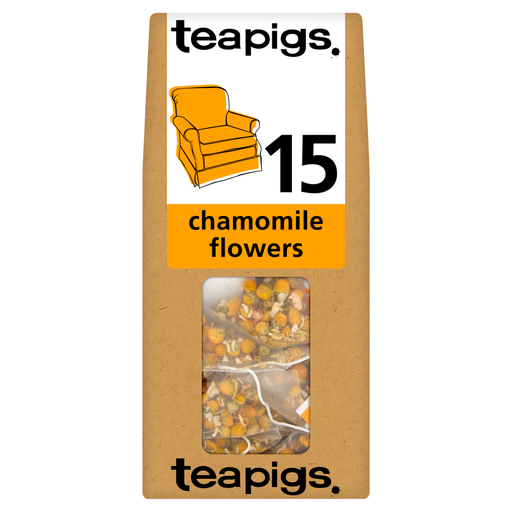 No image available
A chamomile option if you want a caffeine-free herbal drink rather than green tea. Check the ingredients if you have an allergy to chamomile-family botanicals.
 No image available
Consider this if keeping green tea matters more than having a pyramid bag. Decaffeinated tea is not necessarily caffeine-free; check the pack’s caffeine statement and bag shape if either detail matters to you.
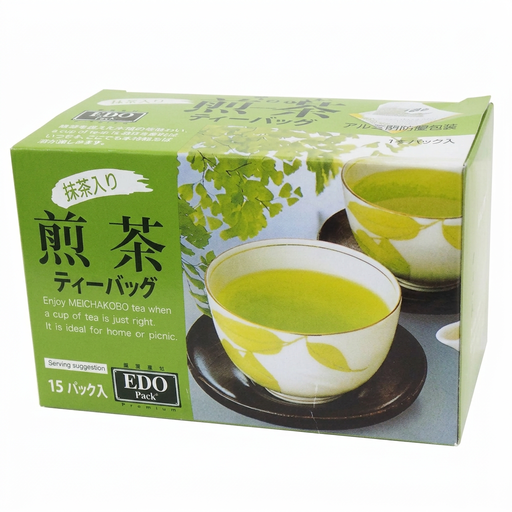 No image available
This green tea matches the requested pyramid-bag format. Regular green tea contains caffeine, so consider when you plan to drink it if caffeine near bedtime is a concern.
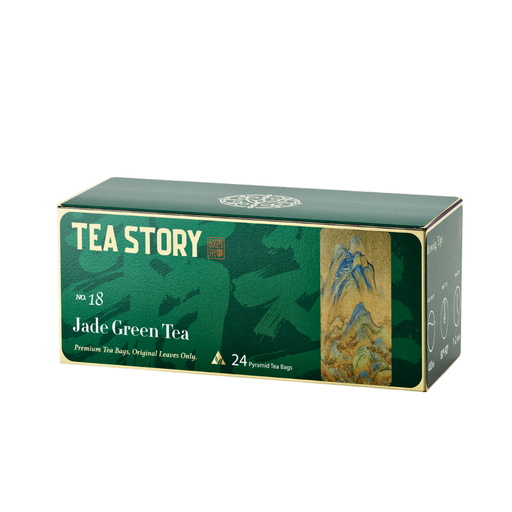 No image available
Choose this for green tea in the specified pyramid-bag format, rather than for caffeine avoidance. Regular green tea contains caffeine; follow the preparation directions on the individual pack.
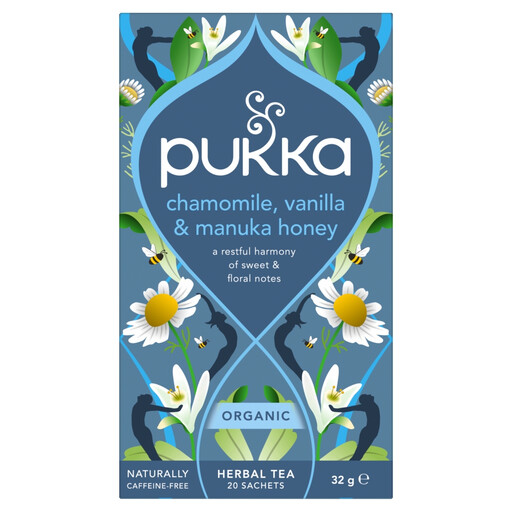 No image available
A caffeine-free herbal alternative if green tea is not essential. Check the bag shape if you specifically want a pyramid format. The product information advises consulting a healthcare professional before use during pregnancy or if you have health concerns.
Not if avoiding caffeine is your priority. Twinings estimates around 30–40mg of caffeine per 200ml cup of its regular green tea, and NHS Borders advises avoiding caffeinated hot drinks close to bed because they can make you feel more awake and disrupt sleep.
No. The bag shape does not remove caffeine from regular green tea. Check the tea type and caffeine wording first, then choose the bag format you prefer.
Yes. Twinings says decaffeination removes nearly all caffeine but minor traces can remain. Read the individual product’s statement if avoiding even traces matters to you.
Look for a herbal infusion explicitly described as caffeine-free. Pukka describes its evening herbal range that way and includes Night Time in the range; choosing it means switching from green tea to a herbal blend.