Someone who enjoys unflavoured green tea
A pure sencha in a presentation box or individually wrapped pyramid bags offers two ways to make a familiar tea feel considered as a gift. Check which packaging the recipient would actually use.


Choose individually wrapped pure green tea if the recipient will use the bags gradually or take them out of the house; choose a presentation box if the packaging is part of the Mother’s Day gift. Teapigs Mao Feng suits someone happy to brew at 80°C for three minutes, while Clipper’s Organic Fairtrade Pure Green offers a different consideration: named sourcing credentials. Check the ingredients, caffeine information and disposal instructions on the exact pack rather than assuming all pyramid bags are alike.
The recipient’s tea preferences and routine are more useful starting points than the shape of the bag alone.
A pure sencha in a presentation box or individually wrapped pyramid bags offers two ways to make a familiar tea feel considered as a gift. Check which packaging the recipient would actually use.
Teapigs Mao Feng is worth considering when the recipient is willing to follow its 80°C water and three-minute brewing instructions, rather than routinely using freshly boiled water.
Clipper sells an Organic Fairtrade Pure Green pyramid-bag pack. If disposal is also important to the recipient, check the instructions for each part of the chosen pack separately.
Start with the tea the recipient likes, then consider how they will brew, store and dispose of the bags.
| Priority | What to check | When it matters to me |
|---|---|---|
| Tea and flavour | Read the ingredients: is it pure sencha, mao feng, or a green-tea blend? Do not use the pyramid shape as evidence of leaf grade or flavour. | I’m buying for someone who likes plain green tea, so I want to avoid choosing a flavoured or matcha-containing blend by mistake. |
| Presentation and wrapping | Check whether bags are individually enveloped or held together in an inner bag, and whether the outer box suits the gift. | The box will be the gift, or the recipient may open it over several weeks and take individual bags out with them. |
| Brewing routine | Compare the instructions on the exact tea. Teapigs specifies 80°C water and three minutes for Mao Feng; Twinings describes a shorter 1–2 minute brew for Simply Sencha. | I want preparation that fits the recipient’s routine, whether that means following a particular water-temperature instruction or making a quick cup. |
| Sourcing and disposal | Check any organic or Fairtrade wording on the chosen product. Read separate disposal instructions for the tea bag, envelope and carton rather than applying one claim to the whole pack. | Sourcing credentials or clear packaging instructions are part of why I’m choosing this gift. |
| Caffeine | Read the current pack’s caffeine or decaffeination information. Teapigs identifies Mao Feng as naturally containing caffeine. | The recipient limits caffeine, so I need to confirm that the tea suits their preference before giving it. |
The format does not tell you whether the contents are pure sencha, mao feng or a blend. Those differences may matter more to the recipient than the bag shape.
Read the named tea and ingredient list before choosing on presentation alone.
Teapigs specifies 80°C water and a three-minute infusion for Mao Feng, while Twinings gives a shorter 1–2 minute instruction for Simply Sencha. The recipient may prefer one routine over the other.
Match the preparation on the exact pack to how the recipient usually makes tea.
A recyclable envelope does not establish how to dispose of its tea bag, and a compostability statement for one brand or format does not apply to another.
Check instructions for the bag, envelope and carton separately, along with any relevant local collection guidance.
Teapigs identifies its Mao Feng green tea as naturally containing caffeine, which matters when buying for someone who limits it.
Check the current product’s caffeine information, or look specifically for a decaffeinated tea if that is what the recipient wants.
These brand examples cover different green-tea formats and packaging; not every range below is a pyramid-bag alternative.
Twinings lists pure sencha pyramid bags in both individually wrapped Simply Sencha packs and a Discovery Collection presentation box.
Teapigs calls its pyramid bags Tea Temples and describes the range as containing whole leaves.
Clipper Tea Shop lists an Organic Fairtrade Pure Green product in a 20-pyramid-bag pack.
Pukka’s green-tea range includes blends in individually wrapped paper sachets, offering a different format for someone who prefers a blend.
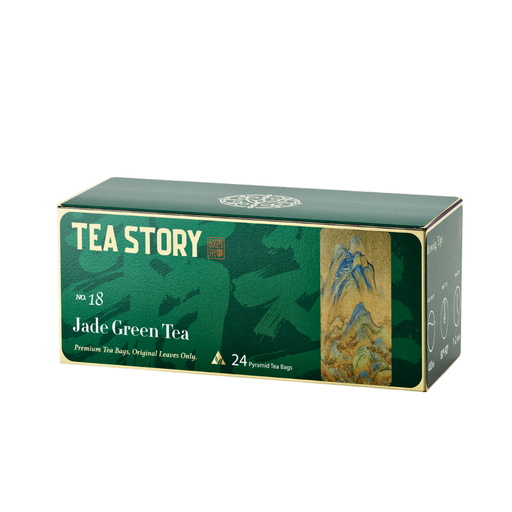
This 24-bag green-tea pyramid pack is an option to consider for a Mother’s Day tea gift.
 No image available
The named green-tea pyramid format suits a gift for someone who prefers that type of tea; the product title also carries an ECOCERT Organic claim. Check the pack’s presentation and whether bags are individually wrapped if either affects the gift, and confirm caffeine and disposal information if those matter to the recipient.
No. Bag shape alone does not establish leaf grade or how the tea will taste. Twinings says its pyramids give leaves room to unfurl, while Teapigs describes its Tea Temples as containing whole leaves; check the ingredients and claims for the particular tea you are buying.
They are worth considering when the recipient will take individual bags out with them or open the box gradually. Twinings UK says its Simply Sencha 15-pack contains pyramids in individual recyclable envelopes; its 40-bag loose pyramid pouch is not individually wrapped.
No. Follow the exact tea’s instructions: Teapigs specifies 80°C water and three minutes for Mao Feng, while Twinings gives a 1–2 minute infusion for Simply Sencha.
No. Teapigs identifies Mao Feng as naturally containing caffeine. If the recipient limits caffeine, check the current pack or choose a product specifically identified as decaffeinated.
Do not assume they can. Pukka says its tea bags are certified home compostable in the UK, but that statement does not cover other brands or every part of a pack. Read the chosen product’s instructions for the bag and its other packaging, and check local collection rules where relevant.