Loose-leaf green-tea drinkers
Once the pack is open, look for storage that limits light, air and moisture between cups. You will also need a way to brew the leaves, such as an infuser.


For loose green tea kept on a worktop, choose an opaque tin with a close-fitting lid; T2 Tea GB advises limiting tea’s exposure to air, moisture and direct light. A well-sealed glass jar is an option if you keep it in a cool, dry cupboard away from direct light. If your tea bags are individually wrapped, keeping them in their original sachets may be simpler than transferring them to a jar.
Once the pack is open, look for storage that limits light, air and moisture between cups. You will also need a way to brew the leaves, such as an infuser.
If you use individually wrapped bags, keeping them in their sachets avoids transferring each one to a jar. Choose a separate container if it makes your tea easier to organise.
If the container will stay in the light, an opaque tin is a more suitable storage choice than a clear jar. A glass jar makes more sense inside a cool, dry cupboard, provided its lid seals properly.
Decide whether you are storing loose leaves, unwrapped bags or individually wrapped bags before choosing a container.
Choose it when: loose tea or unwrapped bags will be stored where the container is exposed to light.
Bear in mind: you cannot see how much tea remains without opening it.
Choose it when: you want to see the contents and can keep the jar cool, dry and away from direct light.
Bear in mind: clear glass does not block light, and the lid needs to seal properly.
Choose them when: your green-tea bags are individually wrapped and you want a quick cup without reorganising them.
Bear in mind: this does not provide storage for loose leaves or unwrapped bags.
| Priority | What to check | Your needs |
|---|---|---|
| Protecting opened tea | Check whether the container blocks light, closes tightly and can be kept dry. T2 Tea GB advises that air, moisture and direct light can affect tea’s flavour. | I keep loose tea between elevenses breaks and want to limit its exposure to light, air and moisture. |
| Where it will sit | For a worktop exposed to light, consider an opaque container. Keep a glass jar in a cool, dry cupboard away from direct light, and check its seal. | I would like to see what is in the jar, but I can put it away between cups. |
| Tea format | Check whether bags are individually wrapped or loose in the pack. If choosing loose leaf, account for an infuser or another brewing tool. | Some days I want a quick tea bag; on others I am happy to prepare loose leaves. |
| Brewing directions | Read the exact pack’s water and infusion instructions rather than using one rule for every green tea. Twinings and Clipper give different directions for their named pure green-tea bags. | I want a repeatable elevenses cup using the directions for the tea I bought. |
| Tea choice | Check the pack if you prefer plain tea, a flavoured blend, or a particular organic or Fairtrade-labelled product. | I may prefer plain green tea to a mint blend, regardless of which container I use. |
Clear glass does not block light. T2 Tea GB advises that direct light can change tea’s flavour.
Use an opaque container for light-exposed storage, or keep a well-sealed glass jar in a cool, dry cupboard.
Loose leaves need a brewing tool as well as storage, while individually wrapped bags can remain in their sachets.
Decide whether you prefer bags or loose leaf first, then choose a container that suits the opened tea.
Twinings specifies three minutes in freshly boiled water for its Pure Green Tea 80 Tea Bags. Clipper gives different water-handling and infusion directions for its Organic Fairtrade Pure Green 80 Tea Bags.
Start with the directions on your exact pack, then adjust to your preferred strength.
A container’s appearance alone does not establish its intended food-contact use.
Check that the manufacturer or seller identifies it as suitable for food contact, and keep its product information.
These product lines illustrate differences in tea format and preparation; they are separate from the storage containers shown below.
Twinings lists Pure Green Tea 80 Tea Bags for a bagged, plain green-tea option.
Clipper lists Organic Fairtrade Pure Green 80 Tea Bags.
Pukka offers green-tea blends in individually wrapped sachets.
Teapigs lists Mao Feng green tea in its loose-leaf range.
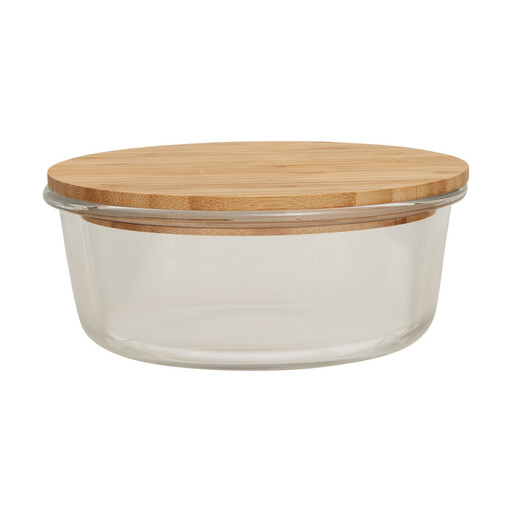
These two containers represent the tin and glass-jar choices for storing tea at home. Check the lid, intended use and capacity against the tea you plan to store.
 No image available
A metal tea canister to consider when loose tea or unwrapped bags will be stored where light reaches the container. Check that the lid fits closely, that the canister is suitable for food contact and that it holds your intended quantity of tea.
 No image available
A 950 ml glass container for shoppers who want to see the contents of a cupboard-stored jar. If using it for green tea, keep it in a cool, dry cupboard away from direct light and check that the lid seals properly.
Choose an opaque tin if the tea will be stored where light reaches it. A well-sealed glass jar is an option in a cool, dry cupboard away from direct light. T2 Tea GB advises that air, moisture and direct light can affect tea’s flavour.
Not necessarily. Pukka says the individual sachets used for its green teas retain quality and flavour until use. A jar can help organise the bags, but you need not transfer them solely because they are tea.
Follow the directions on the exact pack. Twinings specifies one Pure Green Tea bag in 200 ml of freshly boiled water for three minutes; Clipper’s directions for its Organic Fairtrade Pure Green bags say to let boiled water cool for a minute before infusing for one to three minutes.
Check that its manufacturer or seller identifies it as suitable for food contact, and keep the product information. The Food Standards Agency’s guidance concerns substances permitted for use in plastic food-contact materials in Great Britain; it is not an approval of every individual jar.
Consider one when opened loose tea or unwrapped bags need a closed, light-protected place to stay between cups. If your bags remain individually wrapped, a separate jar is chiefly a way to organise them.