Organisers of self-serve breaks
Individual green-tea bags let guests take a portion without measuring leaves or waiting for a shared infuser to be cleaned. A plain variety avoids assuming everyone wants a flavoured blend.


For a self-serve work meeting, portioned green-tea bags let guests make a cup without measuring leaves or sharing an infuser. A reusable caddy suits a smaller, hosted meeting when someone can prepare the loose tea, follow its brewing instructions and clear away used leaves; the caddy stores the tea but does not replace that work. Add a separate decaffeinated option when attendees request one.
The serving arrangements matter more than the container: decide whether guests will prepare their own tea or a host will make it.
Individual green-tea bags let guests take a portion without measuring leaves or waiting for a shared infuser to be cleaned. A plain variety avoids assuming everyone wants a flavoured blend.
Loose green tea in a reusable caddy can work when a teapot or infuser, teaspoons and a way to clear used leaves are already part of the setup. The caddy handles storage; a host still needs to portion and brew the tea.
If attendees ask for decaffeinated green tea, provide a clearly identified separate option rather than assuming the standard tea will suit them. Check the chosen pack before serving.
Choose when: Guests will make their own tea during a short break, without a host managing shared brewing equipment.
Trade-off: Individual bags do not provide the refillable loose-tea presentation of a caddy.
Choose when: A host can prepare tea for a smaller group and the room has suitable brewing equipment.
Trade-off: Reusable storage still leaves portions, brewing and used-leaf disposal to manage.
| Priority | What to check | Your needs |
|---|---|---|
| Self-service | Check whether the tea is individually bagged and whether guests can follow the pack directions at the refreshment station. Loose tea needs measured portions and a teapot or infuser. | I need guests to make a cup without measuring leaves or sharing brewing equipment. |
| Reusable storage | Check that the container is suitable for storing the chosen loose tea. Plan for teaspoons, an infuser or teapot, and somewhere to put used leaves; a caddy does not provide these. | A reusable caddy matters to me, and someone can take responsibility for making and clearing away the tea. |
| Brewing instructions | Read the directions for the exact tea. Twinings specifies measured leaves, cooled boiled water and short steeping times for its cited loose green teas; its products have different timings. | I can follow the chosen product’s method rather than applying one brewing time to every green tea. |
| Ingredients and flavour | Check the current ingredient and allergen information. Distinguish plain green tea from mint, lemon, roasted or rice-and-matcha blends. | I want guests to recognise which option is plain and which has a distinct flavour or additional ingredients. |
| Decaffeinated choice | If requested, check that the selected pack is labelled decaffeinated and confirm its current ingredients and preparation directions. | Some attendees have asked for decaffeinated green tea, so I need to identify it separately from the standard option. |
Loose green tea still needs portions to be measured and equipment to brew it. Twinings gives measured-leaf instructions for its cited loose teas, while the teapigs infuser is a separate item.
Before choosing a caddy, confirm that the room has an infuser or teapot and a way to clear used leaves. Otherwise, use portioned bags.
A loose-tea setup may also need teaspoons, a container for used leaves and cleaning time.
The cited Twinings Pure Sencha caddy listing was marked unavailable when checked, so it should not be the only plan for a scheduled meeting.
Check current availability before ordering and keep a suitable bagged-green-tea alternative in mind.
Clipper lists green tea for its cited plain product, whereas Pukka describes Mint Matcha Green as a blend containing mint, sencha and matcha. They are different choices for guests.
Identify flavoured blends separately and check the current pack information when accommodating ingredient restrictions.
For food-business service, GOV.UK and Food Standards Agency guidance, alongside Food Standards Scotland guidance, addresses allergen information for prepacked and non-prepacked food and drink and allergen management during preparation and service.
If a caterer or food business provides the refreshments, keep current ingredient and allergen information accessible to the service team and manage cross-contact during preparation.
These examples illustrate different tea formats and flavours; a brand’s inclusion does not mean a particular product is available for your meeting.
A reference for loose green tea and reusable caddy storage.
A reference for individually portioned plain green-tea bags.
A reference for loose-leaf choices and separately sourced brewing equipment.
A reference for a flavoured green-tea blend rather than plain green tea.
These bagged options suit a self-serve meeting setup, with a separate decaffeinated choice and several distinct green-tea flavours. If you want loose tea in a caddy, plan for the brewing equipment and serving arrangements described above.
 No image available
A portioned option when attendees request decaffeinated green tea. The pack contains 50 tea bags; check its brewing directions before setting up the station.
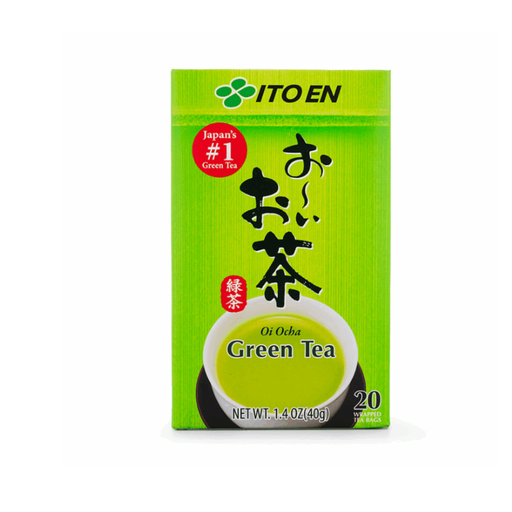 No image available
A plain green-tea choice in 20 individual bags for a self-serve station. Check the pack for preparation directions before serving.
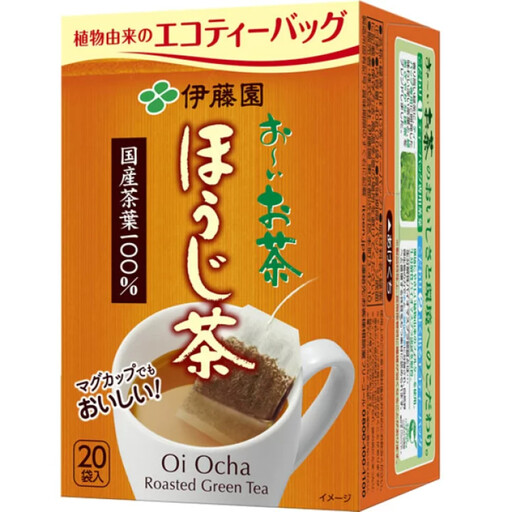 No image available
Twenty portioned bags offer a roasted green-tea style for guests who want that flavour. Identify it separately from plain green tea and follow the pack’s brewing directions.
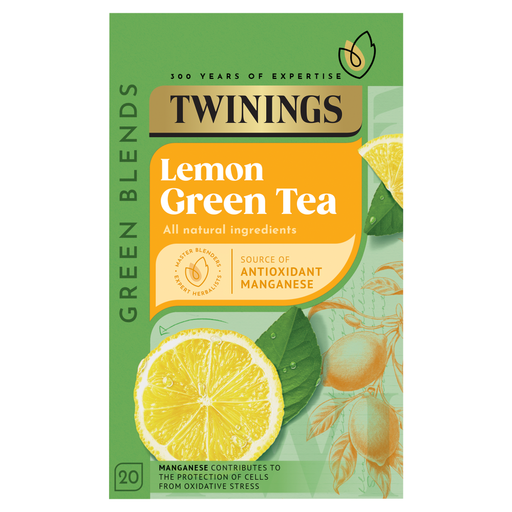 No image available
A portioned lemon-flavoured green tea for guests who want a citrus option. It is not a plain green tea; check the current ingredients and brewing directions on the pack.
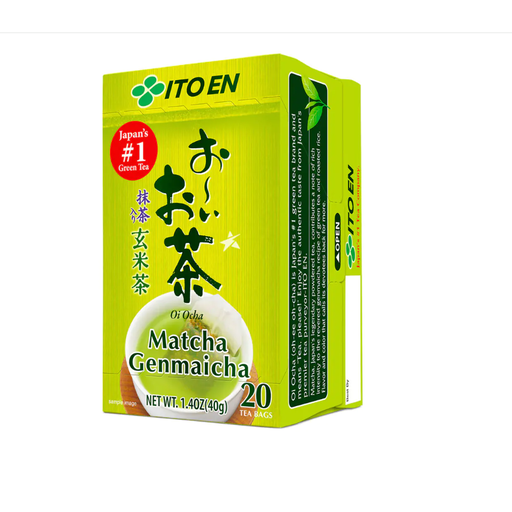 No image available
Twenty portioned bags provide a roasted-rice, green-tea and matcha blend. Mark it as a blend rather than plain green tea, and check the pack for ingredients and preparation directions.
Choose portioned bags for an unattended, self-serve station. A reusable loose-tea caddy can suit a hosted meeting if you also have a teapot or infuser, teaspoons, a place for used leaves and someone to follow the tea’s brewing directions.
Follow the directions for the exact tea you serve. Twinings specifies measured leaves and cooled boiled water for its cited loose green teas, but gives different steeping times for China Green and Pure Sencha; do not use one product’s timing for every green tea.
Add a clearly identified decaffeinated option when attendees request it or your meeting arrangements call for it. Check the selected product’s current ingredients, pack directions and availability before the meeting.
When a food business provides the refreshments, it needs to provide allergen information for prepacked and non-prepacked food and drink and manage allergens during preparation and service. GOV.UK and Food Standards Agency guidance and Food Standards Scotland guidance address these food-business duties; a label on a tea caddy alone does not manage cross-contact.
If guests may expect plain green tea, identify mint-and-matcha tea as a flavoured alternative rather than presenting it as the same choice. Pukka describes its Mint Matcha Green as containing field mint, spearmint, sencha and matcha; check the current pack information before serving.