What matters when choosing a blend?
Decide what the main lunch-service tea needs to do, then check whether an additional flavour or a separate decaffeinated option is practical to prepare and identify.
| Priority | What to check | Your needs |
|---|
| Everyday choice |
Compare a plain tea’s ingredients and pack count with those of a lemon blend or mixed box. Check whether each added variety needs its own place in the service area. |
I want one straightforward tea for regular lunches, with another flavour only if we can manage the extra choice. |
| Preparation |
Read the current pack’s water-temperature and infusion directions. The UK Tea & Infusions Association advises water around 80°C for green tea and says to follow pack instructions; Clipper Tea Shop gives 1–3 minutes for its pure tea, while Twinings gives three minutes for Green Tea & Lemon. |
Staff need a method they can follow during a busy lunch service, rather than one steeping time applied to every bag. |
| Caffeine |
Distinguish standard green tea, which naturally contains caffeine, from a product labelled decaffeinated or caffeine-free. Check the current pack before describing a decaffeinated tea’s caffeine content. |
Some diners will want to know which drink they are taking, so I need a clearly identified alternative to ordinary green tea. |
| Ingredients and allergens |
Keep current information for every stocked blend and identify varieties in a mixed box separately. The Food Standards Agency says UK retail and catering food businesses must provide allergen information for prepacked and non-prepacked food and drink. |
When someone asks about a lemon or mixed blend, staff should be able to give information for that particular tea, not a generic answer for all green tea. |
| Specialist blends |
Check whether a product is plain green tea, a flavoured tea or a blend containing matcha. Pukka Herbs UK describes matcha as 2% of its Supreme Matcha Green blend; that is not the same product as plain matcha powder. |
If we add a matcha-labelled tea, I want its ingredients to match the drink we intend to serve. |
Green tea options on Joybuy
These tea-bag options cover a lemon blend, a decaffeinated green tea, a matcha genmaicha blend and plain green-tea choices for workplace lunch service. Compare their pack formats and check current instructions before deciding which role each will fill.
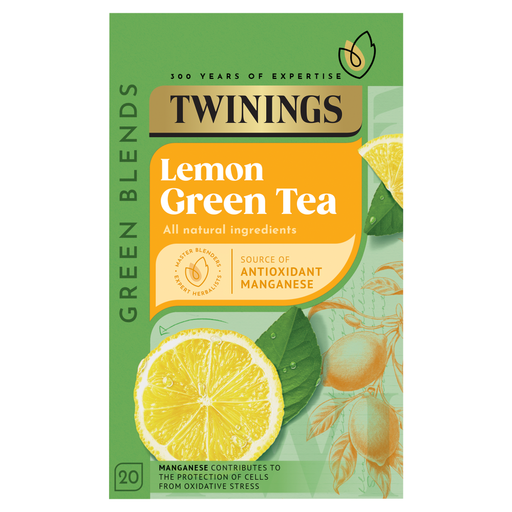 Image unavailable
Twinings Lemon Green Tea, 20 Pack
A lemon-flavoured second choice alongside a plain canteen tea. Twinings lists green tea and lemon flavouring for its 20-bag Green Tea & Lemon product and gives a three-minute infusion instruction; keep this blend’s current ingredients separate from those of plain tea.
View on Joybuy
 Image unavailable
Tetley Green Tea Decaffeinated, 50 bags, 100g
A separately identified decaffeinated green-tea choice for diners who do not want the standard tea. The title states 50 tea bags and 100g; check the current pack’s caffeine wording and brewing directions before describing or serving it. Decaffeinated does not mean caffeine-free.
View on Joybuy
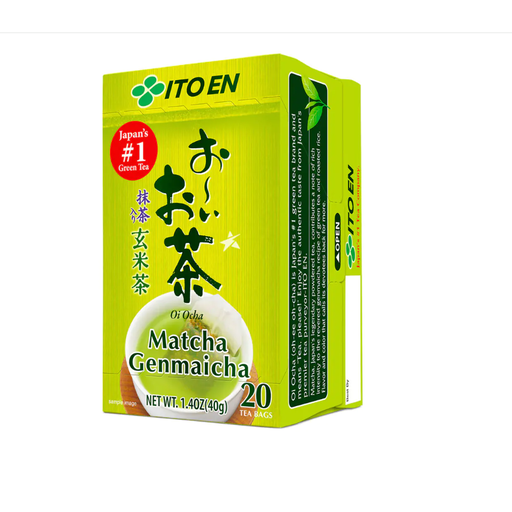 Image unavailable
Itoen Oi Ocha Japanese Matcha Genmaicha, 20 bags, 40g
A matcha genmaicha tea-bag option rather than a plain green-tea line. The title identifies 20 bags and 40g; keep its current ingredients and preparation directions with the product so staff can distinguish it from the other teas.
View on Joybuy
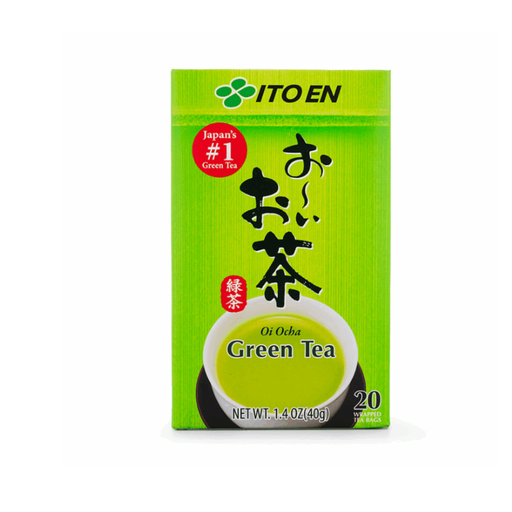 Image unavailable
ITOEN OH-I OCHA Green Tea Bags, 20 bags, 40g
A green-tea bag option to consider for the canteen’s regular line. The title states 20 bags and 40g; use the current pack to set its brewing instructions, and identify it as a caffeinated green tea rather than a caffeine-free drink.
View on Joybuy
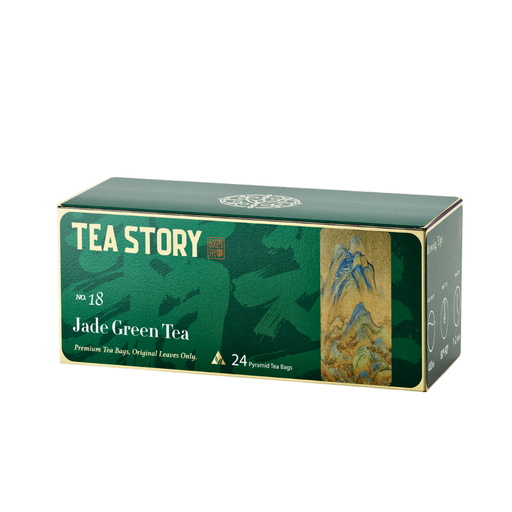 Image unavailable
TEA STORY Jade Green Tea Spring First Flush, 24 × 2g pyramid bags
Another tea-bag option for a regular green-tea line, with 24 pyramid bags of 2g stated in the title. The product listing’s boiling-water, 3–5 minute direction differs from the UK Tea & Infusions Association’s general advice of around 80°C for green tea; check the current pack and agree a consistent staff instruction.
View on Joybuy
Common questions
Should a workplace canteen start with plain or flavoured green tea?
Plain green tea is a straightforward main line when the canteen wants one ingredient list and a repeatable service method. Add a flavoured option if there is room to identify and manage it separately; Clipper Tea Shop’s pure and lemon green teas, for example, have different listed ingredients.
How can staff brew green tea consistently at lunch?
Use the current pack directions for each tea rather than one time for every blend. The UK Tea & Infusions Association advises water around 80°C for green tea and says to read the pack; Twinings specifies three minutes for Green Tea & Lemon, while Clipper Tea Shop specifies 1–3 minutes for its Pure Green Tea.
Is ordinary green tea caffeine-free?
No. Twinings states that green tea naturally contains caffeine. A decaffeinated green tea should be identified separately, and its current pack wording checked rather than assuming it contains no caffeine.
Why might a pregnant diner ask about the tea?
Tea contributes to caffeine intake, and the NHS advises people who are pregnant not to exceed 200mg of caffeine a day from all sources. A canteen cannot determine someone’s total intake, but it can identify its drinks accurately and make a separately labelled alternative available where practical.
What ingredient and allergen information should the canteen keep?
Keep current product information for each tea, including individual varieties in a mixed box. The Food Standards Agency says UK retail and catering food businesses must provide allergen information for prepacked and non-prepacked food and drink; this does not mean that every green tea contains a regulated allergen.


