
24/7 Customer Support

Free returns

Same-day & Next-day Delivery

Quality Guaranteed

Unlock Your Welcome Offers: FREE Delivery | Up to 80% OFF | Free 30-day JoyPlus trial
Download the APP
Buying green vegetables and superfoods can make everyday cooking more convenient, but attractive packaging does not always tell you what you are actually getting. Frozen vegetables, canned green vegetables, edamame and super greens powder each suit different routines, budgets and dietary needs.
The right choice depends on more than colour or wellness language. Check the ingredient list, storage instructions, portion format and intended use before adding products to your basket.
A vivid green appearance may come from the vegetable itself, freezing, processing or, in some products, added colour. It is not a reliable measure of nutritional content. Compare the ingredient list and nutrition information instead.
For example, chopped spinach made from 100% spinach is a straightforward option, while pickled mustard greens may contain salt, preservatives and colourings. Neither is automatically unsuitable, but they serve different purposes in a meal.
Super greens powder, matcha powder and other supplements can be easy to mix into water or smoothies. However, they should not be treated as a replacement for varied meals. A powder may provide selected plant ingredients, but it does not replicate the texture, volume or full range of foods found in a balanced diet.
Likewise, canned sweetcorn, artichoke hearts and green olives are useful cupboard staples, but they should be combined with other vegetables, pulses, grains and protein sources.
Frozen green vegetables require freezer space and should generally be kept at -18°C or below. Once thawed, many products should not be refrozen. Canned products are easier to store unopened, but typically need refrigeration after opening and should be consumed within the period shown on the label.
Powders also need dry, cool storage. Always follow the product packaging, particularly where it lists age restrictions, allergens, medication warnings or advice for pregnancy and breastfeeding.
For everyday vegan foods and plant-based foods, look for clearly stated ingredients. Freshasia Frozen Edamame, for instance, lists edamame (soybeans in pods) as the sole ingredient, while D’aucy Spinach Leaf lists spinach and water.
Check for:
Choose the format according to how often you cook:
Nutrition figures are commonly shown per 100g, while powders may also show values per scoop. Compare like with like. A product with many ingredients is not automatically more suitable; check whether the listed quantities and serving instructions fit your routine.
For supplements, follow the stated dose and do not exceed it. Grass & Co. ACTIVE, Applied Nutrition Critical Greens and EHPlabs OxyGreens all include usage and warning information on their product listings. Their formulations differ, so read the current label before purchase or use.
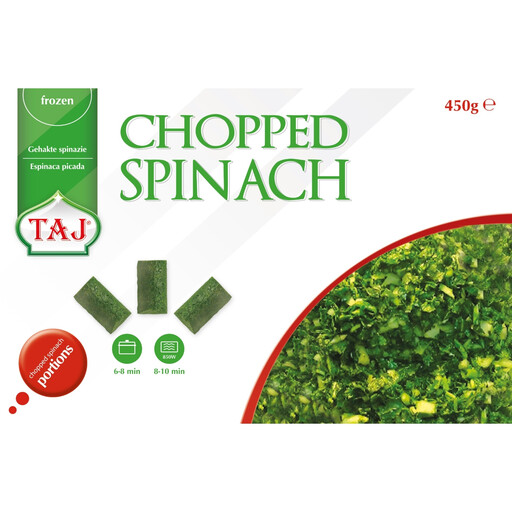
Why This Fits Their Persona: A useful starting point for households wanting a freezer staple for curries, soups, pasta fillings and omelettes without washing or chopping fresh leaves.
The listed ingredient is spinach (100%), helping shoppers avoid unnecessary sauces, sweeteners or flavourings.
450g frozen format; suitable for vegetarians and vegans; stated energy value is 22 kcal per 100g.
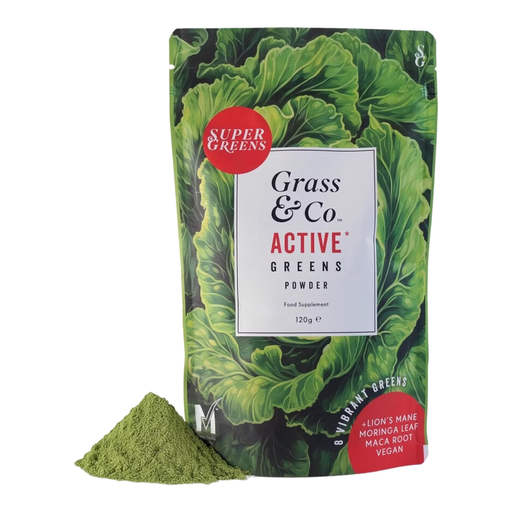
Why This Fits Their Persona: Suitable for adults who prefer a measured daily powder with a fruit-and-ginger flavour and a clearly listed multi-ingredient formula.
The serving size is stated as 4g, with ingredients and warnings provided rather than relying only on broad wellness wording.
Vegan and gluten-free according to the listing; includes apple, ginger, wheatgrass, barleygrass and added vitamins.
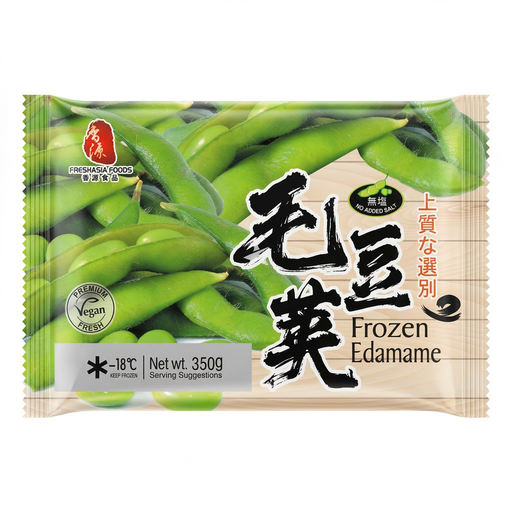
Why This Fits Their Persona: A convenient choice for meal-preppers, fitness enthusiasts and plant-based cooks who want a quick addition to salads, stir-fries or rice bowls.
The product is listed as 100% edamame, with no sauce or seasoning included to obscure the main ingredient.
350g freezer format; provides 11.9g protein per 100g according to the listing; cooks from frozen.
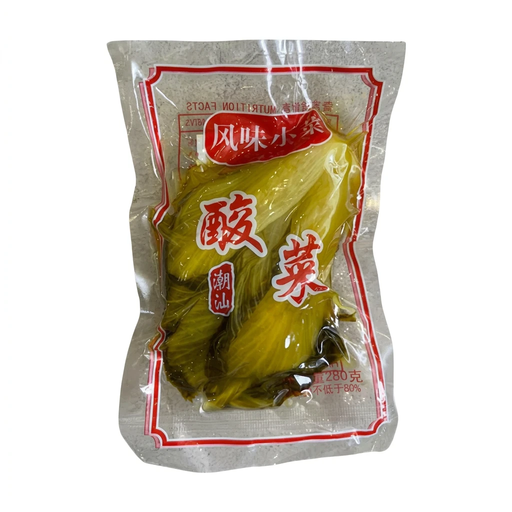
Why This Fits Their Persona: Designed for cooks making Chaoshan-inspired dishes, noodle bowls, fried rice or savoury side dishes where a tangy, preserved vegetable is useful.
Its preserved format is clearly signalled by the name and ingredients, including salt and preservatives, so it is not mistaken for a plain fresh vegetable.
280g ambient-style preserved format; mustard greens make up 85% of the stated ingredients.
We have compiled a complete, real-time list of products that fully satisfy these strict selection criteria and UK safety regulations.
Keep frozen chopped spinach for soups, dhal and pasta fillings. Add edamame to lunch bowls or serve it as a warm snack. Canned sweetcorn and artichoke hearts can be drained into salads, while green olives work well in pasta, pizza and grazing plates. Green chillies can be portioned into curries and marinades, but handle them carefully and wash your hands after preparation.
Matcha powder is better suited to drinks, baking or yoghurt-style recipes than savoury vegetable dishes. Use a small amount and check the pack instructions. For super greens powder, mix only the recommended serving with water, juice or a smoothie.
Frozen vegetables can be a practical alternative when they help you cook more regularly and reduce waste. Their suitability depends on the product, ingredients and preparation method. Check whether the pack contains only the vegetable or includes sauces, salt or other additions.
Follow the packaging instructions. The listed products commonly advise transferring leftovers to a non-metallic container, refrigerating them and consuming them within two days. Do not rely solely on the original best-before date after opening.
No. A supplement should be used according to its label and alongside a varied diet, not as a substitute for meals or a broad selection of vegetables. Check allergens, serving size, age guidance and warnings before use.