An 80-bag box of standard green tea suits someone who will drink it earlier in the day, but green tea contains caffeine, which NHS Borders advises avoiding close to bed. If you want green tea for an evening drink, a smaller decaffeinated pack reduces caffeine without necessarily removing it entirely. If avoiding caffeine matters more than keeping green tea, choose a herbal infusion labelled caffeine free.
Who is choosing?
The important distinction is whether green tea, an 80-bag box or avoiding caffeine close to bed matters most to you.
Evening green-tea drinkers
If you want to keep green tea as part of an evening routine, compare decaffeinated packs with standard green tea. Decaffeinated tea can still contain traces of caffeine, so check the product wording if that distinction matters to you.
Shoppers set on 80 bags
Twinings and Clipper each list an 80-bag standard green tea. This format meets the pack-size request, but it does not make the tea caffeine free; drinking it earlier is the more relevant route if you wish to avoid caffeine close to bed.
Bedtime hot-drink shoppers open to herbal tea
If a caffeine-free drink matters more than green-tea flavour or box size, a labelled caffeine-free herbal infusion offers a different route. The Pukka and Teapigs examples considered here come in packs smaller than 80.
What should you check?
Choose the type of tea and its caffeine status first, then check whether its pack size fits how you buy it. NHS Borders advises avoiding caffeinated drinks close to bed; Twinings confirms that standard green tea naturally contains caffeine.
Standard green tea
Choose when: You want an 80-bag green-tea box and plan to drink it earlier in the day.
Trade-off: The Twinings and Clipper 80-bag examples are standard green tea, which contains caffeine.
Decaffeinated green tea
Choose when: Keeping green tea matters more than buying exactly 80 bags.
Trade-off: Decaffeinated tea can retain traces of caffeine; the Twinings, Clipper and Tetley examples have 20, 40 and 50 bags respectively.
Caffeine-free herbal infusion
Choose when: Avoiding caffeine in a drink close to bed takes priority over green tea.
Trade-off: It is a different type of drink, and the Pukka and Teapigs examples are sold in smaller formats.
| Priority |
What to check |
Your needs |
| Caffeine |
Check whether the tea is standard green, decaffeinated or specifically labelled caffeine free. Decaffeinated does not necessarily mean caffeine free. |
I want a hot drink close to bed without choosing standard caffeinated tea. NHS Borders advises avoiding caffeinated drinks at that time. |
| Tea type |
Read the product name and ingredients to distinguish decaffeinated green tea from a herbal infusion. Check any stated decaffeination information if residual caffeine matters. |
Keeping green tea matters to me, so I would consider a smaller decaffeinated pack rather than switch to a herbal blend. |
| Pack size |
Confirm the bag count alongside the tea type: the cited Twinings and Clipper standard green teas have 80 bags, while their cited decaffeinated green teas have 20 and 40. |
An 80-bag box is my priority for regular use, and I can drink standard green tea earlier rather than close to bedtime. |
What is easy to overlook?
-
An 80-bag green tea is not automatically a bedtime tea
Pack size tells you how many bags are in the box, not whether the drink contains caffeine. Twinings states that green tea naturally contains caffeine, while NHS Borders advises avoiding caffeinated drinks close to bed.
If 80 bags are essential, plan when you will drink standard green tea. If the drink is specifically for close to bedtime, check its caffeine status before choosing by pack count.
-
Decaffeinated is not the same as caffeine free
Twinings explains that minor traces of caffeine can remain in decaffeinated tea. That distinction matters if your aim is to avoid caffeine rather than simply choose a decaffeinated version of green tea.
Check the product's caffeine wording. For a caffeine-free herbal option, confirm that the particular infusion is labelled caffeine free and read its ingredients.
Brand and retailer references
These examples show how tea type and pack count can pull the choice in different directions; a brand mentioned here is not necessarily represented in the Joybuy products below.
Twinings
A reference for comparing an 80-bag standard green tea with a smaller decaffeinated green tea.
- Twinings lists Pure Green Tea in an 80-bag box.
- Its cited decaffeinated green tea has 20 bags, and Twinings says traces of caffeine can remain after decaffeination.
Clipper
A reference for shoppers comparing standard green tea sold as organic and Fairtrade with a decaffeinated version.
- Tesco lists Clipper Organic Fairtrade Green Tea in an 80-bag format.
- The cited Clipper decaffeinated green tea has 40 bags rather than 80.
Pukka
A herbal alternative if keeping green tea is less important than choosing a caffeine-free evening drink.
- Pukka describes its evening herbal range as caffeine free and offers Night Time in 20- and 40-bag formats.
- Night Time is not green tea and does not meet the 80-bag request; its evening positioning is not a promise of improved sleep.
Teapigs
A reference for a smaller herbal infusion labelled caffeine free.
- Teapigs labels Sleepy Apple naturally caffeine free and lists apple, chamomile and lavender among its ingredients.
- The cited Sleepy Apple format contains 15 tea temples, not 80 green-tea bags.
Tesco
A retailer reference for comparing listed green-tea types and pack sizes, rather than a tea manufacturer in this comparison.
- Tesco product listings identify Tetley decaffeinated green tea in 50 bags and Clipper decaffeinated green tea in 40 bags.
- Check the current listing for the exact product and pack count before buying.
Joybuy product options
These options are for keeping green tea in a smaller decaffeinated pack or switching to a smaller herbal infusion for an evening hot drink. They are not 80-bag standard green teas.
 No image available
Tetley Green Tea Decaffeinated, 50 tea bags, 100g
Consider this if you want to keep green tea while choosing a decaffeinated product. Tesco lists this Tetley tea as decaffeinated to 0.2%; it has 50 bags rather than the requested 80, and decaffeinated tea is not necessarily caffeine free.
View on Joybuy
 No image available
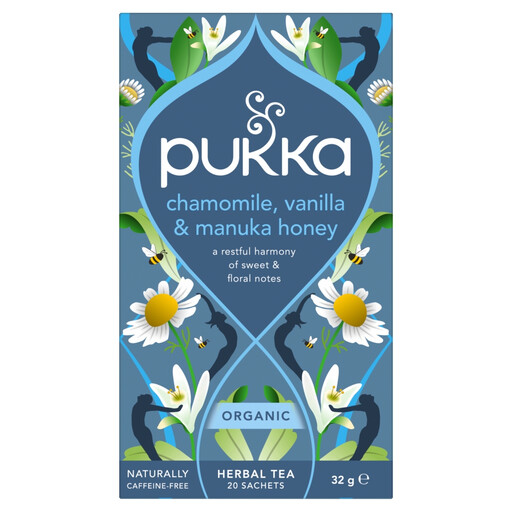
Pukka Chamomile Vanilla & Manuka Honey, 20 herbal tea sachets, 32g
This chamomile, vanilla and Manuka honey herbal infusion is described as caffeine free, making it an alternative to green tea when caffeine avoidance is the priority. It contains 20 individually wrapped sachets, not 80 green-tea bags. Its product guidance cautions people allergic to botanicals in the chamomile family.
View on Joybuy
 No image available
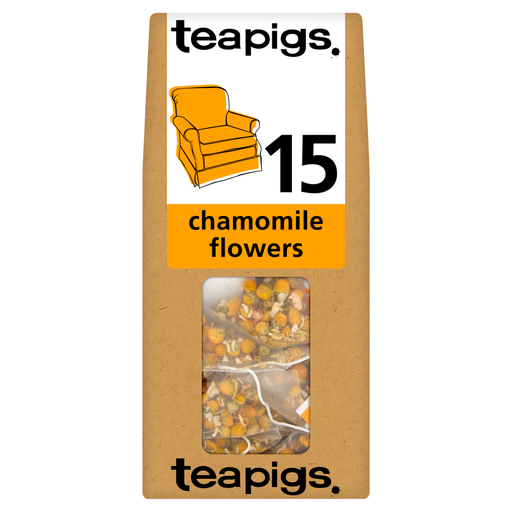
Teapigs Chamomile Flowers, 15 tea bags, 180g
Choose this route if you would rather have a chamomile infusion described as caffeine free than retain green tea. The listed composition is 100% chamomile flowers; this is a 15-bag product, not an 80-bag box.
View on Joybuy
Common questions
Is standard green tea in an 80-bag box suitable immediately before bed?
Not if your aim is to avoid caffeine close to bed. Twinings states that green tea naturally contains caffeine, and NHS Borders advises avoiding caffeinated drinks, including tea, close to bedtime. An 80-bag box addresses pack size, not caffeine status.
Is decaffeinated green tea completely caffeine free?
No. Twinings explains that minor traces of caffeine can remain in decaffeinated tea. If avoiding caffeine is the deciding factor, check for a herbal infusion specifically labelled caffeine free rather than relying on the word ‘decaffeinated’.
What pack sizes can I compare if I want decaffeinated green tea?
The cited product listings offer Twinings decaffeinated green tea in 20 bags, Clipper in 40 bags and Tetley in 50 bags. Check the current product and bag count before ordering if an 80-bag format is important to you.
Will a bedtime herbal tea improve my sleep?
A bedtime name or description does not guarantee a sleep outcome. Pukka and Teapigs use evening-oriented descriptions for particular herbal products; the practical distinction for this choice is whether the product is labelled caffeine free, not a promised effect on sleep.


