What should you check?
Start with the tea format and flavour you would actually use at breakfast, then check packaging, brewing directions and any dietary requirements.
| Priority | What to check | Your needs |
|---|
| Tea style |
Read the ingredients to distinguish plain green tea from lemon, jasmine or matcha-containing blends. Choose by the flavour description, not by an assumption that green tea tastes like black breakfast tea. |
I want a cup whose flavour I would enjoy alongside a cooked breakfast, whether that means plain tea or a blend. |
| Preparation format |
Tea bags need no leaf measuring or strainer. For loose leaf, check that you have a suitable infuser or strainer and follow the pack's quantity directions. |
On busy mornings, I would rather use a bag; on slower mornings, I am willing to prepare loose leaves. |
| Container |
Check the current pack images and description if a supplied jar or caddy is essential. If using your own container, check that it is suitable for storing tea. |
I want a tidy way to keep green tea in the cupboard, but I need to know whether the container is included. |
| Brewing |
The UK Tea & Infusions Association advises water at around 80°C for green tea. Follow the chosen product's steeping time: Twinings directs one to two minutes for China Green, while Teapigs specifies three minutes for Mao Feng. |
I want clear directions rather than automatically using my usual black-tea routine. |
| Caffeine |
Check for explicit decaffeinated labelling when reducing caffeine matters. Do not treat a green colour, floral ingredients or a blend's name as a caffeine statement. |
If I am choosing tea for later in the day as well as breakfast, I want to know whether it is labelled decaffeinated. |
| Tea with meals |
For people following iron-deficiency anaemia dietary advice, University Hospitals Coventry and Warwickshire NHS Trust advises against drinking tea with a meal or within one hour before or after it. |
If I am following that advice, I need to plan my tea separately from breakfast and follow any individual guidance from my clinician. |
Which brands offer relevant options?
These brand and retailer examples illustrate different green-tea formats; check the individual product when packaging or ingredients matter to you.
Twinings
Twinings lists Discovery Collection Pure Sencha Green as 100g loose tea and China Green as 125g loose-leaf tea.
- China Green has product-specific directions for measuring leaves and cooling freshly boiled water.
- Check the current pack if you need the tea to arrive in a jar or caddy.
Clipper
Clipper lists an 80-bag Pure Green product described by the brand as organic, with tea traded in compliance with Fairtrade standards.
- The bag format avoids measuring loose leaves at breakfast.
- Choose it for tea bags rather than assuming it supplies a reusable tea container.
Pukka
Pukka Supreme Matcha Green combines green tea and matcha and is listed in a 20-tea-bag size.
- It offers a matcha-containing option for shoppers who do not want plain green tea.
- Check the ingredients and pack format rather than treating the blend as plain loose-leaf tea.
Teapigs
Teapigs lists Mao Feng green tea in a 15-tea-temple format, with directions to brew for three minutes at 80°C.
- The product page identifies pure Mao Feng green tea and gives a specific brewing method.
- Check the pack if a supplied jar is a requirement.
Tesco
Tesco has a green-tea grocery category for browsing while shopping for breakfast ingredients.
- Its category provides a place to compare individual green-tea listings.
- Check each listing for its actual tea format, pack and ingredients.
Green tea options on Joybuy
These options cover tea bags, flavoured tea bags and loose leaf for different breakfast routines. Check each listing's current packaging if a supplied jar or caddy is essential.
 No image available
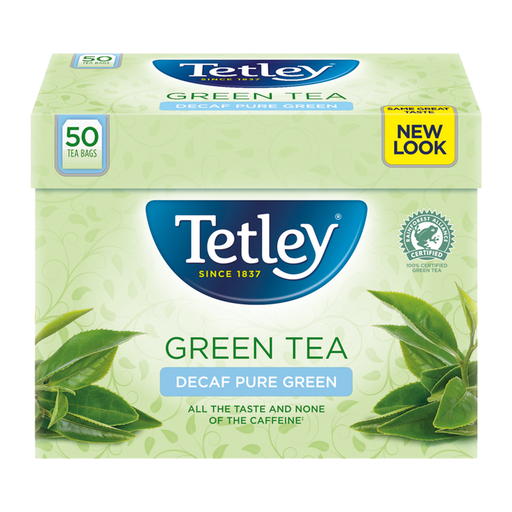
Tetley Green Tea Decaffeinated, 50 tea bags, 100g
A tea-bag option if you want green tea explicitly labelled decaffeinated without measuring loose leaves. Check the pack for its brewing directions and the retail container if storage format matters.
View on Joybuy
 No image available
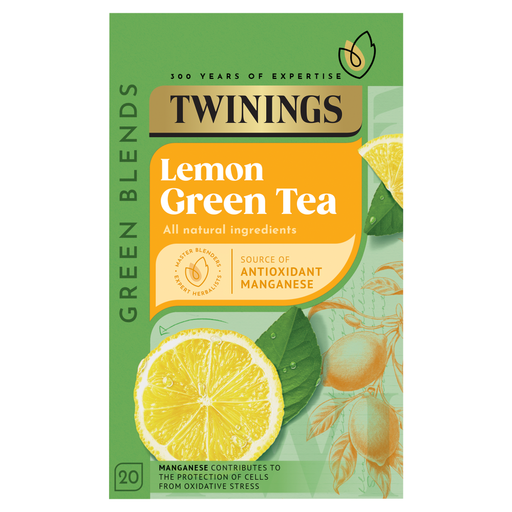
Twinings Lemon Green Tea, 20 pack
Consider this lemon green tea if you would prefer a flavoured cup to plain green tea at breakfast. Check the listing and pack for the tea-bag format, brewing directions and container details that matter to you.
View on Joybuy
 No image available
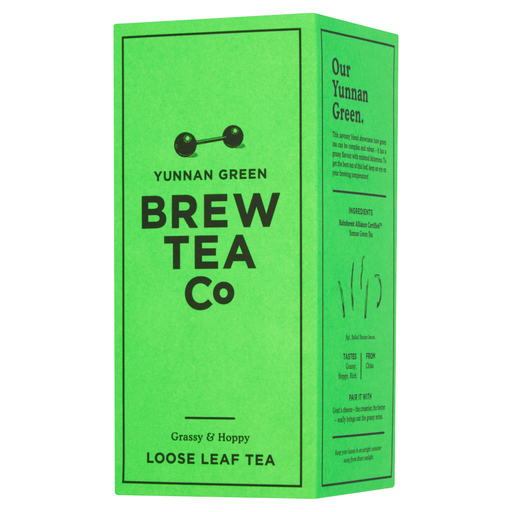
Brew Tea Co Yunnan Green Tea, loose leaf, 113g
This loose-leaf option suits a breakfast routine with time to measure and strain tea. Have an infuser or strainer ready, follow the pack's brewing directions and check whether its retail container meets your storage preference.
View on Joybuy
 No image available
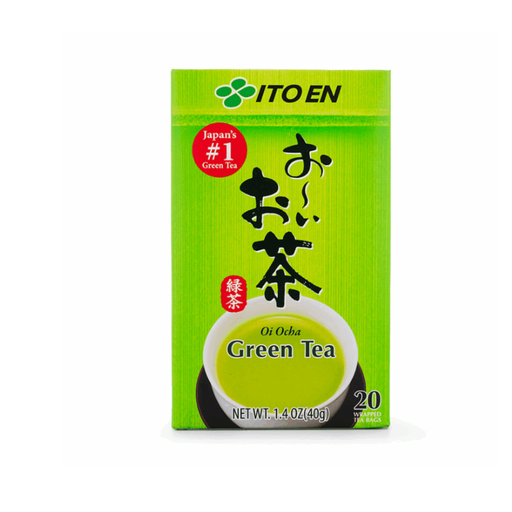
ITOEN Ohi Ocha Green Tea, 20 tea bags, 40g
The 20-tea-bag format avoids measuring leaves when breakfast is rushed. Check the pack for its brewing directions and for any container details important to your cupboard storage.
View on Joybuy
 No image available
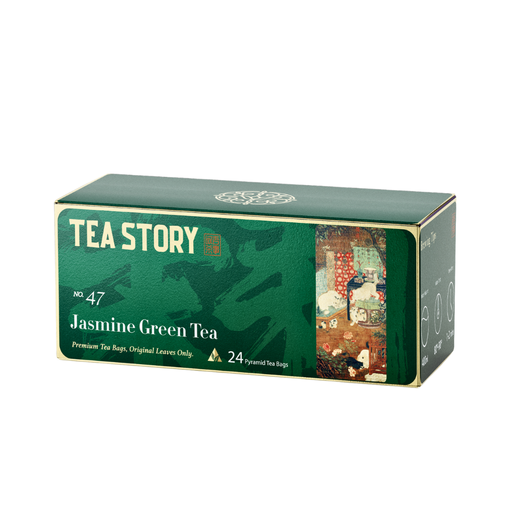
Tea Story Jasmine Green Tea, 24 tea bags × 2g
Choose this format if you want the convenience of tea bags and are considering jasmine-flavoured green tea with breakfast. The title identifies 24 bags of 2g each; check the pack for brewing instructions, and do not assume it is decaffeinated.
View on Joybuy
Common questions
Can green tea replace English Breakfast tea with a Full English?
It can if you prefer green tea's flavour, but do not expect it to taste or brew like black breakfast tea. The UK Tea & Infusions Association advises water at around 80°C for green tea; follow the chosen pack's steeping directions.
Do I need to buy green tea in a jar?
No. A jar is a storage preference, not a requirement for preparing green tea. If you want the retail pack itself to be reusable, check its current description and images; otherwise, loose tea can be transferred to a suitable container.
How should I brew green tea at breakfast?
Start with the product's directions rather than your usual black-tea timing. The UK Tea & Infusions Association advises water at around 80°C; Teapigs specifies three minutes at 80°C for Mao Feng, while Twinings directs one to two minutes for China Green after allowing boiled water to cool for five minutes.
Should I have green tea with breakfast if I have iron-deficiency anaemia?
University Hospitals Coventry and Warwickshire NHS Trust advises people following its iron-deficiency anaemia dietary guidance not to drink tea with a meal or within one hour before or after it, because tea with a meal can greatly decrease iron absorption. Follow any individual advice from your clinician.
Is green tea caffeine-free?
Do not assume so: ordinary green tea and a tea labelled decaffeinated are different choices. If reducing caffeine matters, check the specific product's decaffeinated labelling rather than relying on its flavour or colour.


